Jewellery Lapis Lazuli: The Complete Style + Wellness Guide to Wearing the “Midnight Blue” Stone
Lapis lazuli walks into a room like a calm, confident friend—quietly magnetic, impossible to ignore. If you’ve been searching for jewellery lapis lazuli, you’re probably asking the same questions I did when I first started buying gemstone pieces: How do I tell if it’s real? What does it pair with? Is it delicate or daily-wear friendly? This guide covers the history, meaning, quality cues, styling tips, and care—so you can buy (and wear) lapis with total confidence.
What Is Lapis Lazuli (And Why It Looks So Luxurious)?
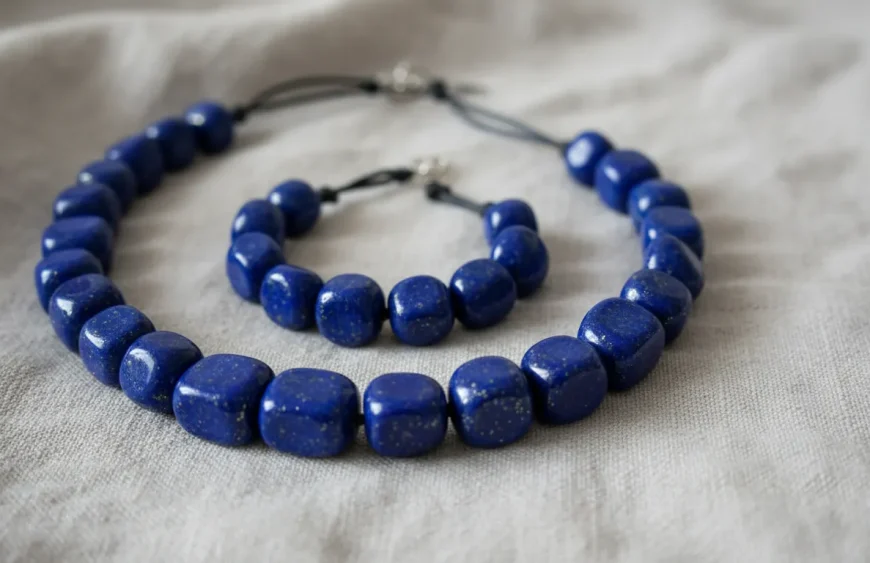
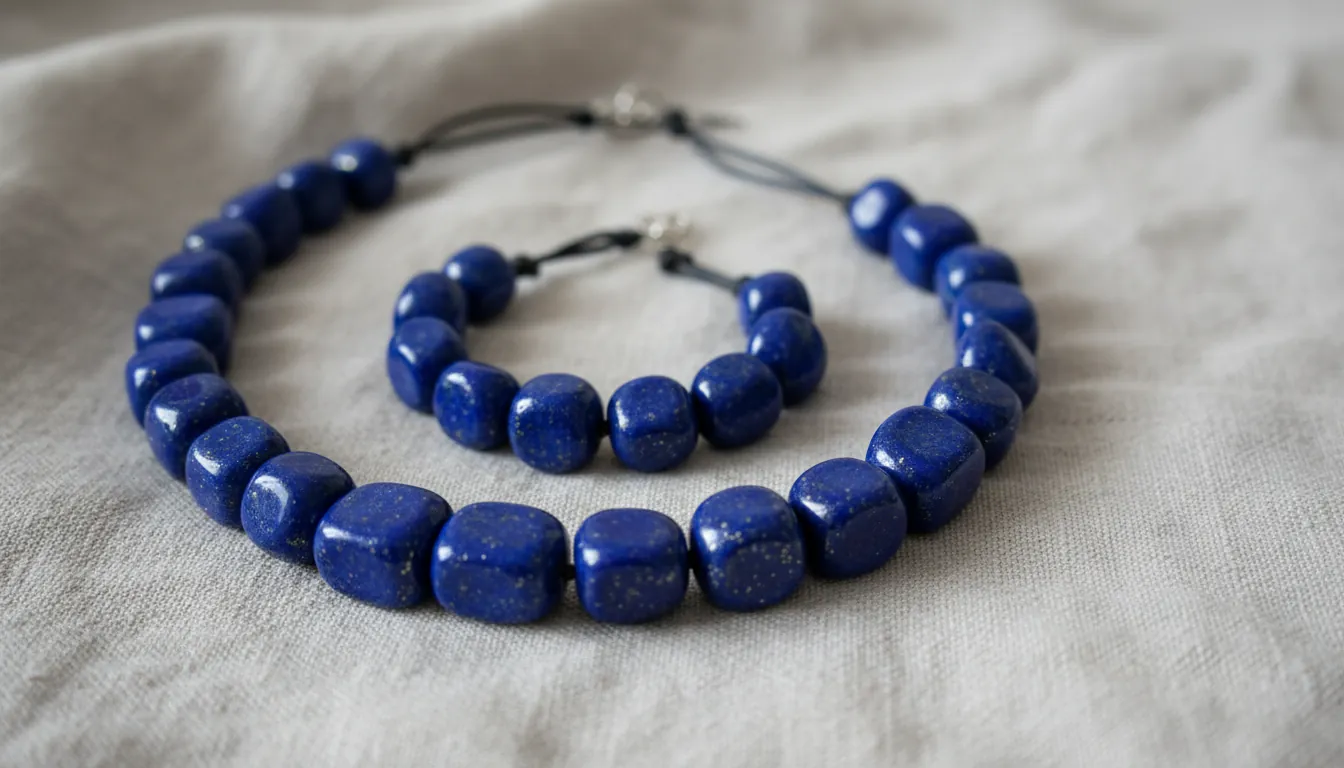
Lapis lazuli is a rock (not a single mineral) prized for its saturated blue color, often sprinkled with pyrite that looks like tiny golden stars. The most valued lapis shows rich ultramarine tones with minimal white veining (usually calcite), though many people love a more marbled, “earth-and-sky” look. In jewellery, lapis is commonly cut into cabochons, beads, inlays, and carved drops because it polishes beautifully.
When I first compared lapis pieces side-by-side, the difference wasn’t subtle: high-quality stones look deep—like ink—while lower grades can appear chalky or greyed out. That “depth” is what makes jewellery lapis lazuli feel elevated even in simple designs.
The Meaning of Jewellery Lapis Lazuli in Wellness Traditions
Across cultures, lapis has long been linked with wisdom, truth, and clear self-expression. In modern crystal circles, it’s often associated with the throat and third-eye energy centers—wearers choose it when they want to speak more clearly, trust their intuition, and stay steady in their confidence.
A grounded way to approach this: many people find ritual and symbolism genuinely helpful, even if they view crystal benefits as spiritual support rather than medical outcomes. If you’re building a “wearable reminder” to communicate better or think clearly, jewellery lapis lazuli fits that intention perfectly.
- Common intentions people set with lapis jewellery:
- Speaking up in meetings or hard conversations
- Staying calm while making decisions
- Returning to your inner “truth” during life transitions
For deeper context on the stone’s geology and origins, Encyclopaedia Britannica’s entry on lapis lazuli is a solid starting point.
How to Choose High-Quality Jewellery Lapis Lazuli (Without Guessing)
Buying lapis is easier when you judge it like a pro: color, inclusions, finish, and honesty of listing matter more than hype. The market also includes dyed stones and composites, so knowing the basics protects your budget.
1) Color: Look for “Ultramarine Depth”
The most sought-after lapis is a bold, even blue. Slight variation is normal in natural stone, especially in beads.
- Best: deep royal/ultramarine blue
- Okay: medium blue with natural variation
- Caution: very dull, grey-blue, or overly uniform “painted” look
2) Pyrite Specks: A Little Looks Like Stars
Pyrite is the gold glitter effect—beautiful in moderation. Too much can weaken the visual “blue field.”
- Ideal: small, scattered pyrite points
- Less ideal: large brassy patches that dominate the surface
3) Calcite Veining: Decide What You Love
White calcite lines are natural and can be stunning. However, heavy calcite lowers traditional “grade” and can make a piece look cloudy.
4) Finish & Craft: The Setting Matters
A great polish should feel smooth, not grainy. Prongs should be even, bezels snug, and bead holes clean.
If you want an industry-standard view on gemstones and treatments, the GIA gemstone education resources can help you understand terms sellers use (like “treated” or “composite”).
| Factor | What “High Quality” Looks Like | Common Red Flags | Quick Buyer Tip |
|---|---|---|---|
| Color | Deep, rich royal/ultramarine blue; even saturation; minimal dullness | Pale/grayish blue, uneven blotches, overly uniform “ink” blue (may be dyed) | Prefer strong, even blue in natural light; compare side-by-side if possible |
| Pyrite | Fine, sparse-to-moderate golden flecks/threads that look metallic and well-distributed | Large brassy patches, powdery glitter, rust-like staining, excessive pyrite dominating the face | A little pyrite can be desirable; avoid pieces where it overwhelms the blue |
| Calcite | Little to none; if present, small discreet white veining | Heavy white streaks/patches, chalky areas that break up color | For “premium” look, choose minimal white calcite on the face-up view |
| Polish | High, even luster with smooth surface; crisp edges/cabochon dome | Dull/waxy finish, scratches, pits, orange-peel texture | Tilt under light: a clean highlight line indicates good polish |
| Treatment/Disclosure | Clearly disclosed (e.g., “untreated” or “dyed/stabilized” stated); reputable seller documentation | No disclosure, vague terms (“enhanced”), color rub-off on cloth, color pooling in cracks | Wipe gently with a damp white tissue; any blue transfer is a strong warning sign |
| Setting Quality | Solid metal, smooth prongs/bezel, stone seated evenly; protective bezel for daily wear | Thin/rough prongs, gaps under stone, rattling, exposed edges prone to chipping | Choose bezel or well-finished prongs; check that the stone is secure and edges protected |
Real vs Fake Lapis Lazuli: Quick Checks You Can Do at Home
I’ve tested lapis from multiple sources over the years, and the biggest “gotcha” is dye. Some stones are dyed to look more saturated, and it can rub off or fade.
Try these simple checks (non-destructive first):
- Cotton swab test (gentle): Lightly rub an inconspicuous area with a barely damp cotton swab. If you see blue transfer, that’s a concern.
- Look at the holes (for beads): Dye can concentrate around drill holes, appearing unnaturally dark.
- Uniform color suspicion: Real lapis often has subtle variation, pyrite, or natural patterning. Extremely flat color can be a sign of imitation or heavy treatment.
For a deeper dive on lapis and common treatments, Mindat’s lapis lazuli page is a respected mineral reference.
Best Jewellery Lapis Lazuli Styles (Necklaces, Bracelets, Earrings, Rings)
Different designs change how lapis “reads” on the body—bold statement vs soft daily energy. Here’s what tends to work best.
Lapis Lazuli Necklaces: Closest to the Voice Center
Necklaces are a favorite for people who connect lapis with communication and calm confidence. A small pendant can feel like a personal talisman, while a bead strand gives “old-world elegance.”
- Best for: presentations, important conversations, day-to-night outfits
- Styling shortcut: lapis + gold chain = instant warmth and polish
Lapis Lazuli Bracelets: Everyday Wear, Easy Layering
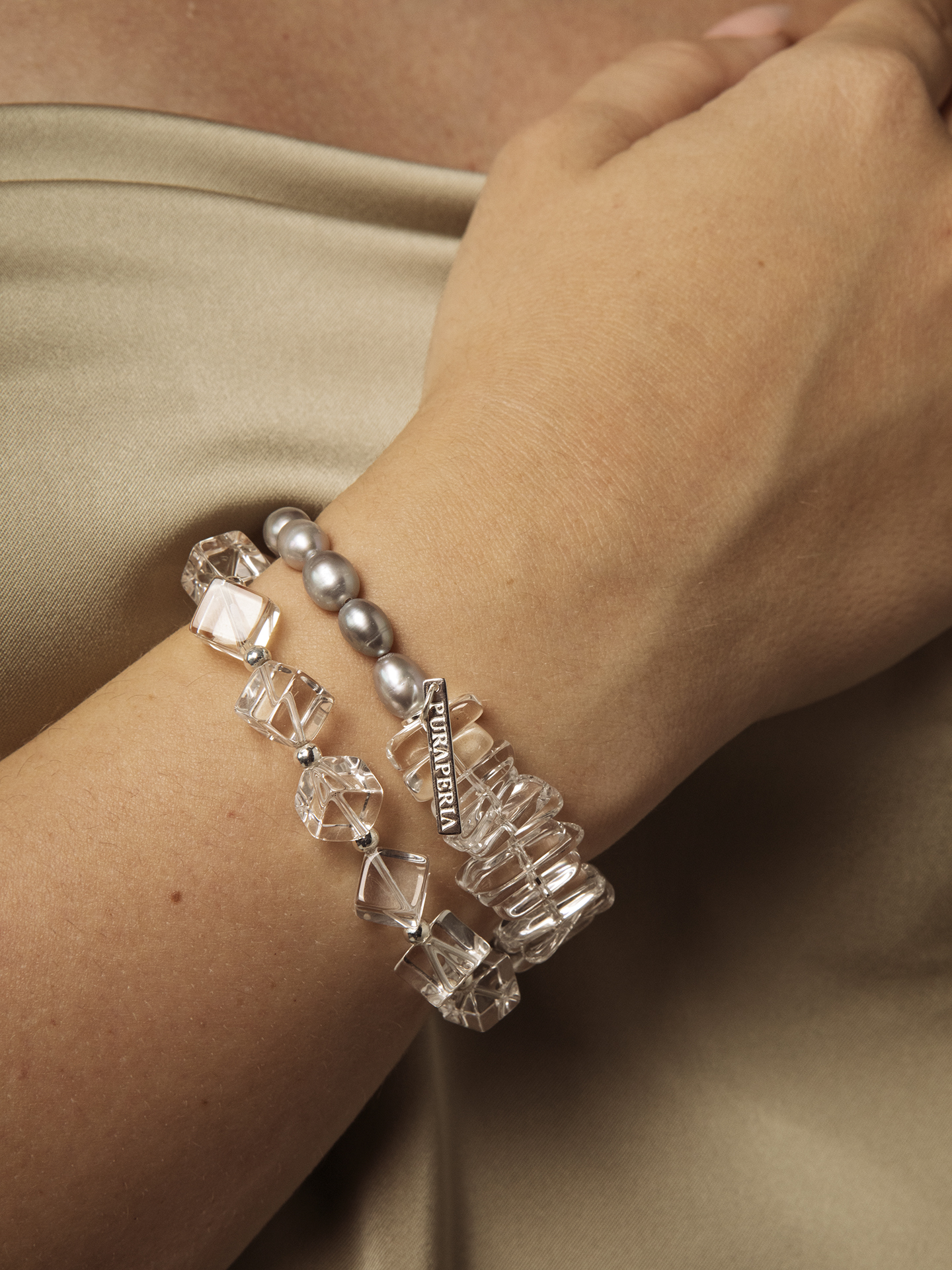
Bracelets are the most “habit-forming” lapis piece—I reach for them when I want something supportive but not loud. They stack beautifully with pearl, clear quartz, citrine, or smoky quartz.
- Best for: daily routine, grounding rituals, gifting
- Pro tip: mix textures (smooth lapis beads + faceted crystal accents)
Lapis Lazuli Earrings: Bright, Focused Color Near the Face
Earrings give a refined pop of blue that flatters most skin tones. Drops feel more formal; studs feel minimal and modern.
- Best for: zoom calls, dinners, weddings, holiday styling
- Watch for: weight—lapis can be dense in larger drops
Lapis Lazuli Rings: Statement, But Handle With Care
Rings showcase lapis dramatically, especially in bezel settings. But rings take more impact than other jewellery types, so durability and setting quality matter.
- Best for: special occasions, confident statement looks
- Choose: protective bezel over exposed corners
Styling Jewellery Lapis Lazuli: Outfit Pairings That Always Work
Lapis is surprisingly versatile. Think of it as a “new neutral” that adds depth rather than noise.
- With white or cream: looks crisp, expensive, and fresh
- With black: becomes dramatic and night-sky bold
- With denim: effortless, modern, and wearable
- With gold metals: brings warmth and an “ancient-luxe” vibe
- With pearls: classic elegance with a wellness twist
If you’re building a gemstone wardrobe, lapis pairs well with StarryBead’s signature materials like Freshwater Pearl, Citrine, Clear Quartz, Aquamarine, and Smoky Quartz—because those tones either brighten, clarify, or ground the deep blue.
Care Guide: How to Clean and Store Jewellery Lapis Lazuli
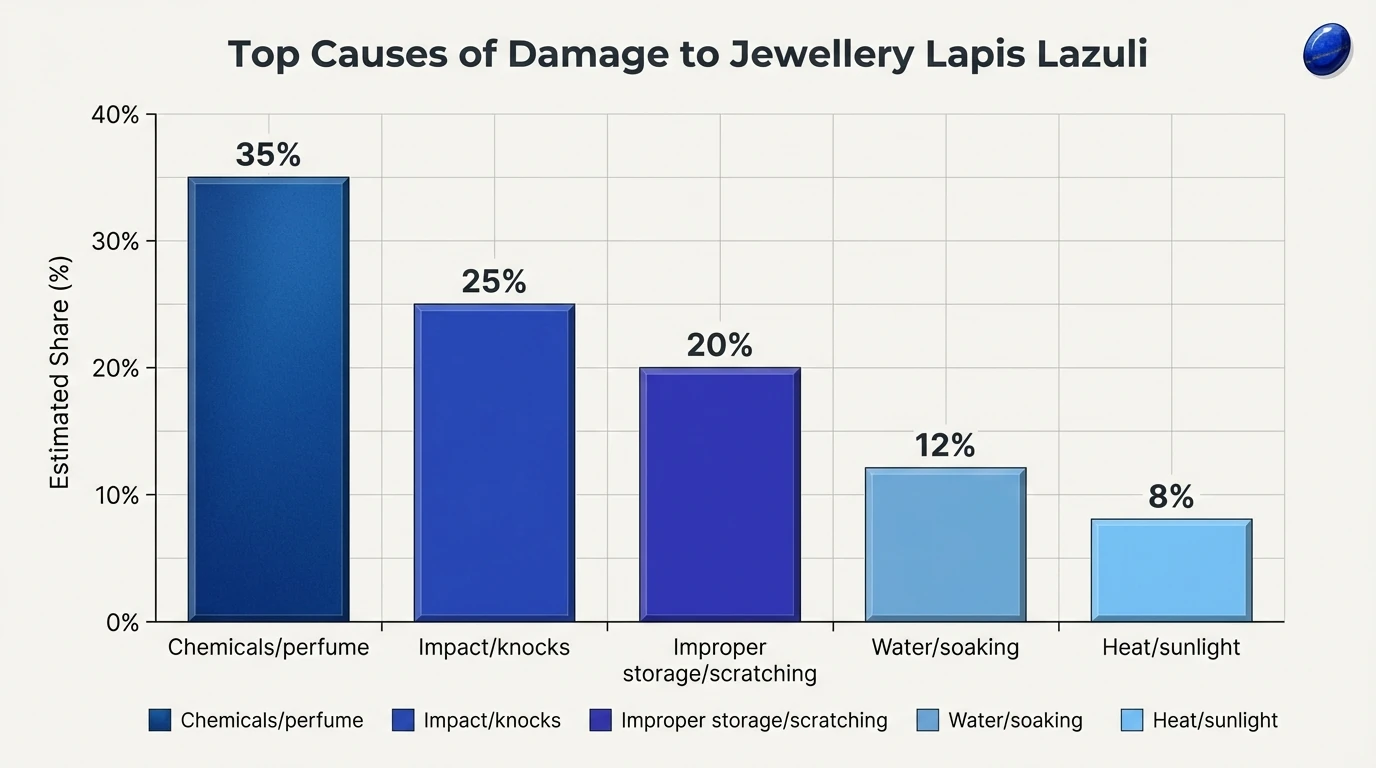
Lapis isn’t a “throw it in the sink” stone. It can be sensitive to harsh chemicals and prolonged water exposure, and it scratches more easily than sapphires or diamonds.
Safe cleaning steps
- Use a soft, dry cloth after wear (especially if you used perfume or hairspray).
- If needed, wipe with a slightly damp cloth, then dry immediately.
- Store separately to avoid scratching from harder gems or metal edges.
Avoid
- Ultrasonic cleaners
- Steam cleaning
- Bleach, harsh soaps, and acidic cleaners
- Long soaks in water
Why StarryBead’s Approach Fits Lapis Buyers (Craft + Meaning + Proof)
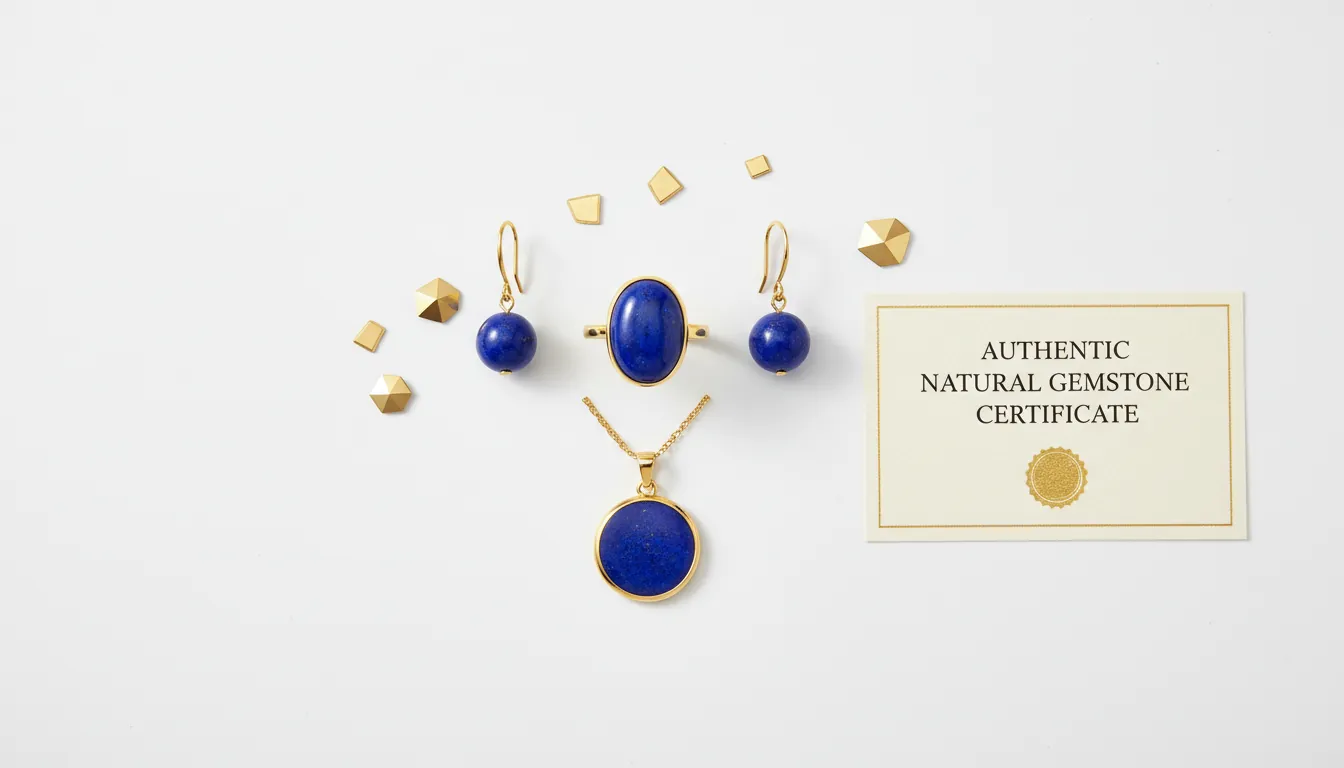
When someone buys jewellery lapis lazuli, they’re usually buying two things at once: beauty and belief. StarryBead is built around that intersection—handcrafted design, natural materials, and clear proof of authenticity through certificates, plus fast support and free shipping over $99.
If you’re exploring complementary stones for a lapis-focused look, you may also like:
- Clear Quartz jewelry for clarity and “amplifier” styling
- Freshwater Pearl jewelry for softness and classic balance
- Amethyst jewelry for a calm, night-sky palette pairing
A Simple “First Lapis” Buying Checklist
Use this when you’re comparing listings quickly:
- Prefer deep blue with natural character
- Look for honest disclosure on treatments and materials
- Choose bezel or protected settings for rings
- Confirm sizing and weight for earrings
- Buy from brands that provide authenticity documentation and responsive support
Is It Real Lapis Lazuli? Identifying Natural, Dyed, and Imitation Gemstones with Lauren Fenty
FAQ: Jewellery Lapis Lazuli
1) Is jewellery lapis lazuli suitable for everyday wear?
Yes, especially necklaces and bracelets. Rings and large earrings need more care because lapis can scratch or chip with hard knocks.
2) What does lapis lazuli symbolize in jewelry?
It’s commonly associated with wisdom, truth, communication, and confident self-expression. Many people wear it as a personal reminder to speak clearly and trust themselves.
3) How can I tell if lapis lazuli jewelry is real?
Look for natural variation, possible pyrite specks, and no dye transfer. Reputable sellers disclose treatments and may offer authenticity certificates.
4) Does lapis lazuli go better with gold or silver?
Both work. Gold warms the blue and feels regal; silver makes it look cool, modern, and crisp.
5) Can lapis lazuli get wet?
A quick wipe is usually fine, but avoid soaking. Prolonged water exposure and chemicals can dull the polish or damage treated stones.
6) What stones pair best with lapis lazuli jewelry?
Pearl, clear quartz, citrine, smoky quartz, aquamarine, and amethyst are popular pairings depending on whether you want brighter, calmer, or more grounded styling.
Conclusion: Let Jewellery Lapis Lazuli Tell Your Story
Lapis lazuli isn’t just “blue jewelry”—it’s the kind of piece that becomes a personal anchor. Every time you fasten a lapis necklace or catch the gold flecks in a bracelet, it feels like a small return to yourself: steadier, clearer, more you. If you’re ready to choose your next jewellery lapis lazuli piece, start with quality cues, pick a style that fits your routine, and treat it with the care a natural stone deserves.
📌 Invite readers to browse StarryBead’s lapis-inspired designs, subscribe for gemstone styling tips, and comment with their favorite lapis pairing (gold vs silver, pearls vs quartz) so the team can recommend a personalized stack