You’re scrolling for a birthstone chart, trying to pick something meaningful—maybe a gift, maybe your own “I’m starting fresh” piece. Then you hit the confusing part: some months have two stones, June has three, and December looks like it can’t decide at all. I’ve been there, standing over a tray of gemstones, wondering which “counts” and which will actually suit the person wearing it.
This guide makes the birthstone chart simple: modern vs traditional options, what each stone symbolizes, and how to choose a birthstone piece that feels personal (and looks great every day).
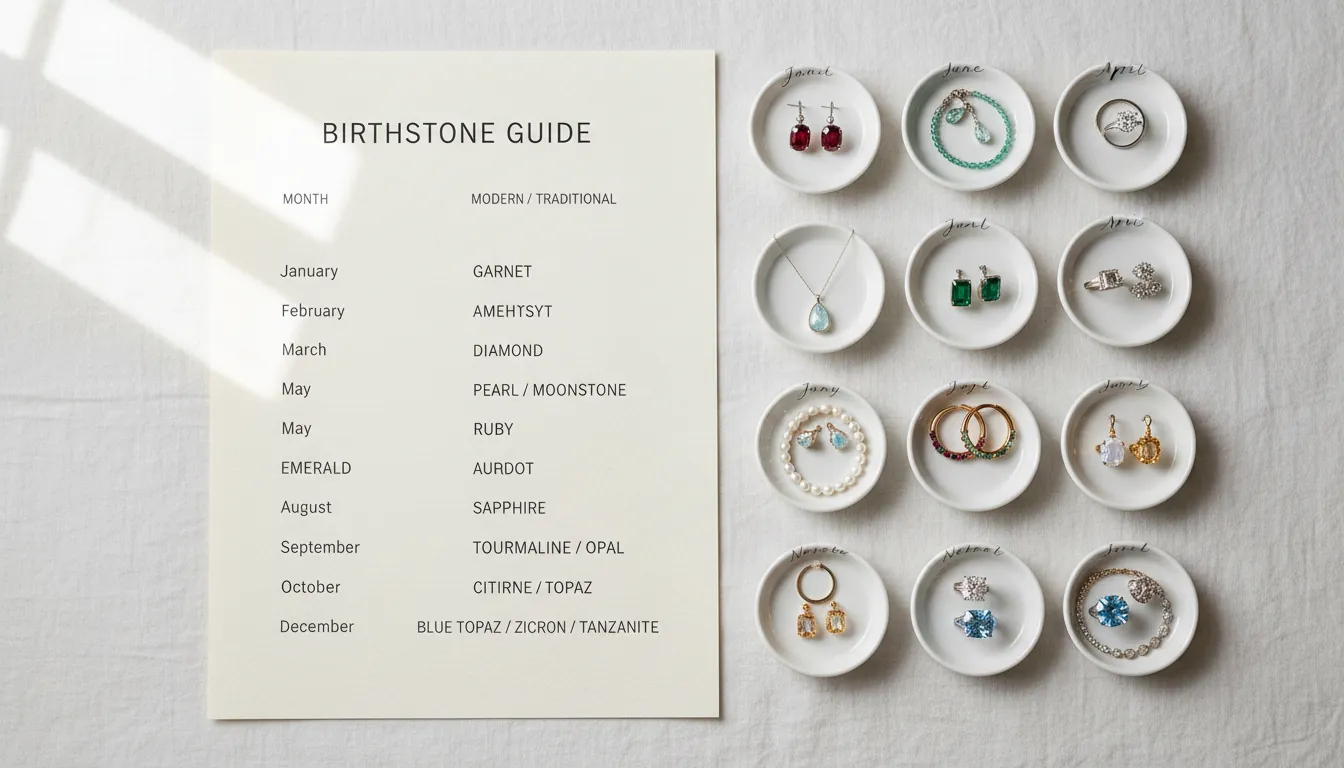
What a Birthstone Chart Is (and Why There Are Multiple Versions)
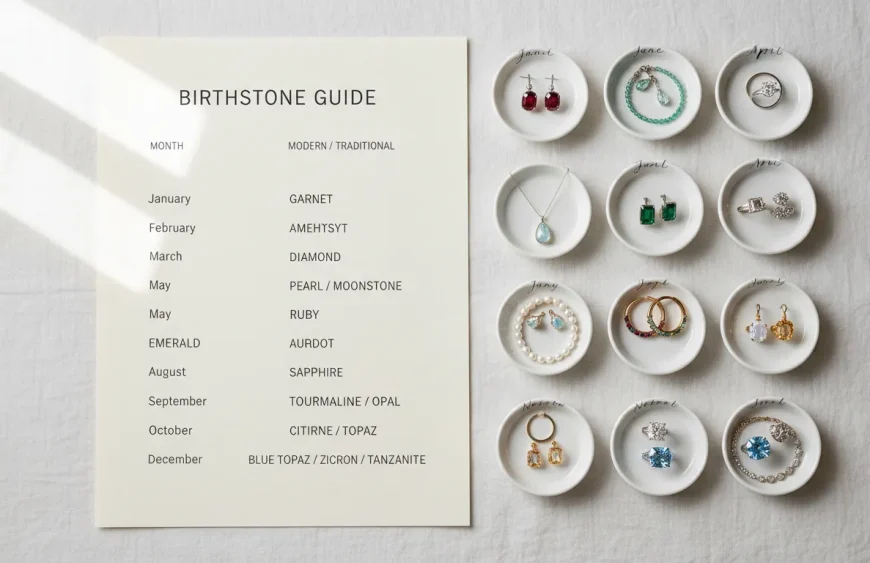
A birthstone chart matches each month to one or more gemstones. The “modern” list is the one most jewelry shoppers see today, while “traditional” lists reflect older customs and regional standards. Some months show multiple stones because trade, availability, and jewelry industry updates expanded the options over time.
If you want the most widely accepted references, start with gem authorities and trade groups like the GIA birthstones guide and the American Gem Society birthstones. For background history (and why lists change), the overview on Birthstone (Wikipedia) is also helpful.
Birthstone Chart by Month (Quick Lookup)
| Month | Modern Birthstone(s) | Traditional Birthstone(s) | Signature Color | Popular Jewelry Picks |
|---|---|---|---|---|
| Jan | Garnet | Garnet | Deep red | Stacking ring, pendant |
| Feb | Amethyst | Amethyst | Purple | Studs, pendant |
| Mar | Aquamarine | Bloodstone | Sea blue / green | Pendant, beaded bracelet |
| Apr | Diamond | Diamond | Clear/white | Solitaire ring, studs |
| May | Emerald | Emerald | Vivid green | Halo ring, pendant |
| Jun | Pearl + Alexandrite (often Moonstone) | Pearl | Cream / color-shift | Studs, strand necklace |
| Jul | Ruby | Ruby | Rich red | Stacking ring, pendant |
| Aug | Peridot + Spinel | Sardonyx | Lime green / assorted | Studs, beaded bracelet |
| Sep | Sapphire | Sapphire | Royal blue | Pendant, stacking ring |
| Oct | Tourmaline | Opal | Pink/green / iridescent | Pendant, studs |
| Nov | Topaz + Citrine | Topaz | Golden yellow / blue | Cocktail ring, pendant |
| Dec | Blue Zircon + Blue Topaz + Tanzanite (often Turquoise) | Turquoise + Lapis Lazuli | Sky blue / deep blue | Studs, beaded bracelet |
How I use this birthstone chart in real shopping: I pick the “modern” stone for clarity, then use the “traditional” stone when I want a more classic or vintage-leaning story. If the month has multiple modern stones, I choose based on lifestyle (durability), color preference, and budget.
Modern vs Traditional Birthstones: Which Should You Choose?
Most people won’t ask which list you used—they’ll feel the intention. Still, the choice can shape the story you tell with your gift or self-purchase.
- Choose modern birthstones if you want what most jewelers and shoppers recognize today, plus more options in months like August and December.
- Choose traditional birthstones if you like historical continuity and a “classic” feel.
- Choose an alternative stone if the recipient already wears a certain color, has sensitive skin, or wants a specific vibe (calm, confidence, grounding).
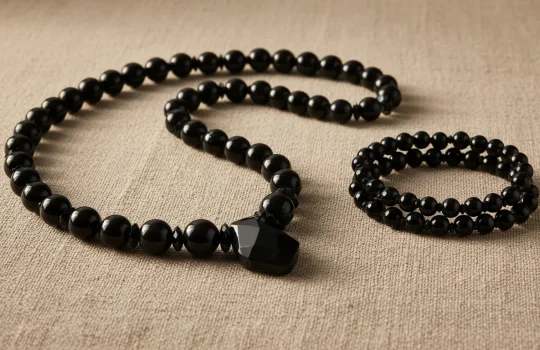
For a deeper “meaning-first” approach, StarryBead customers often pair birthstones with complementary wellness stones—like adding Clear Quartz for clarity or Black Tourmaline for grounded protection.
Birthstones by Month: Meanings, Style Notes, and Easy Jewelry Ideas
Below, I’m using the birthstone chart to answer the question people actually have: “What does it mean—and what should I buy?”
January Birthstone: Garnet
Garnet is known for loyal, steady energy and a deep wine-red look that reads timeless. In my experience, garnet pieces feel easiest to wear daily because the color works like a neutral with denim, black, and cream. If you’re gifting, it’s a safe “romantic but not too romantic” choice.
Jewelry idea: a simple pendant or a minimal stacking ring.
February Birthstone: Amethyst
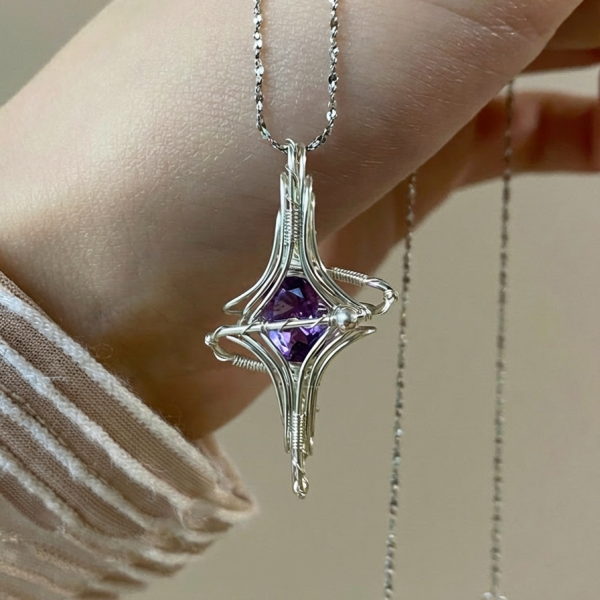
Amethyst is the calm-you-can-see: purple with a clean, thoughtful vibe. When I tested different purple stones side-by-side, amethyst gave the most “quiet confidence” without looking loud. It’s a great pick for anyone building focus, rest, or a calmer routine.
Jewelry idea: studs for everyday wear or a dainty necklace.
March Birthstones: Aquamarine (Modern) & Bloodstone (Traditional)
Aquamarine is light, airy blue—perfect for people who prefer soft color. Bloodstone is deeper and moodier, often chosen by those who want a more traditional, earthy feel. If you’re torn, choose aquamarine for “lightness” and bloodstone for “strength.”
Jewelry idea: aquamarine drop earrings or a bloodstone signet-style ring.
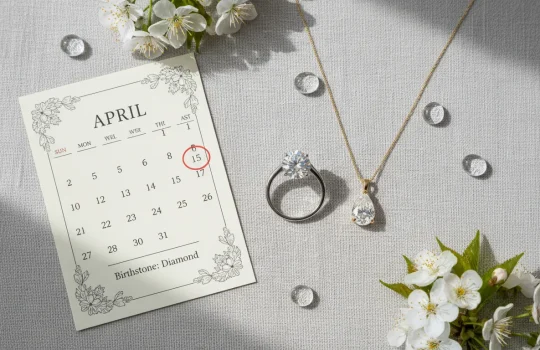
April Birthstone: Diamond
Diamond symbolizes endurance and clarity, which is why it’s tied to commitment in so many cultures. If you’re budget-sensitive, you can still honor April’s meaning through clear stones with a similar “bright” presence—many people love clear crystal jewelry for that reason.
Jewelry idea: a solitaire-style pendant or a clean band with sparkle accents.
May Birthstone: Emerald
Emerald is the headline green—associated with renewal and heart-centered energy. It looks stunning with gold tones and works well for statement pieces. If someone loves nature, plants, and “fresh start” energy, May is a satisfying birthstone month.
Jewelry idea: a bezel-set emerald necklace for everyday security.
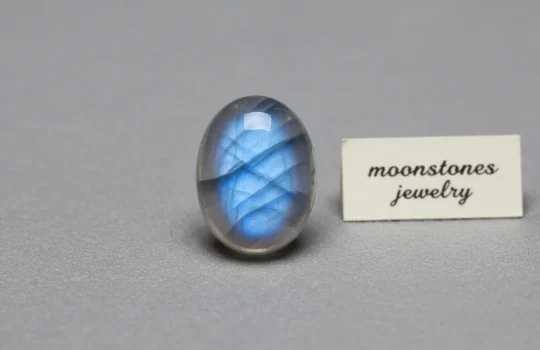
June Birthstones: Pearl + Alexandrite (and sometimes Moonstone)
June is the most “choose your own adventure” month on the birthstone chart. Pearl feels classic and luminous; alexandrite is rare and color-shifting; moonstone leans dreamy and soft. I’ve found pearls are the best gift when you want guaranteed wearability.
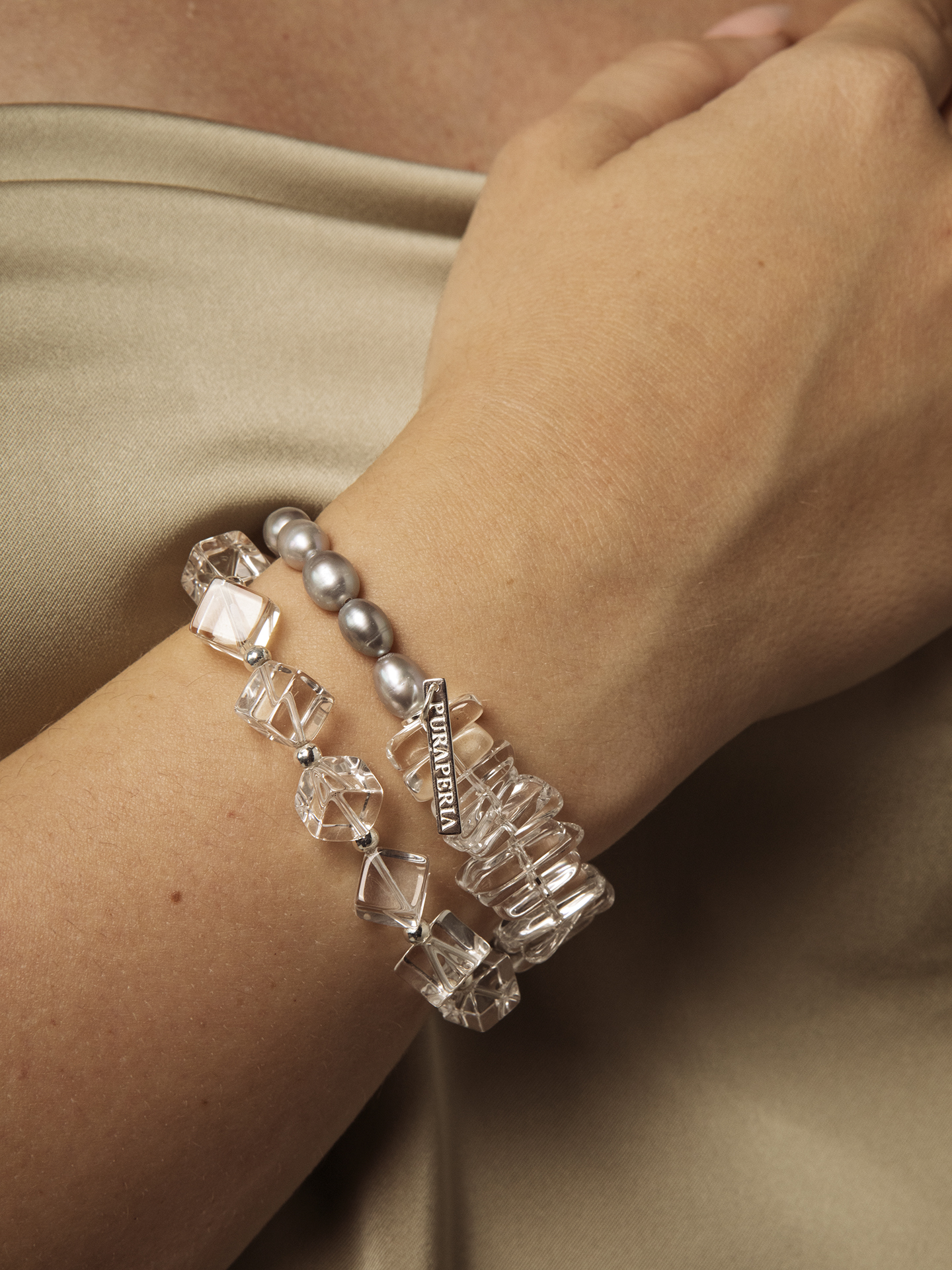
Jewelry idea: freshwater pearl bracelet or pearl studs (timeless, wedding-friendly, office-friendly).
July Birthstone: Ruby
Ruby is bold, love-forward, and celebratory. It’s the “main character” of the birthstone chart—especially for big milestones. If your recipient loves red lips, strong silhouettes, or confident styling, ruby fits.
Jewelry idea: a ruby pendant close to the heart.
August Birthstones: Peridot + Spinel (Traditional: Sardonyx)
Peridot is bright green with a sunny feel, while spinel comes in multiple colors and can be a smart alternative if green isn’t their thing. Sardonyx has an older-world, striped look for vintage tastes. August is ideal for personalization because you can match the stone to the person’s palette.
Jewelry idea: peridot stacking ring or a spinel charm necklace.
September Birthstone: Sapphire
Sapphire isn’t only deep blue, but that classic blue is why September stays popular. It signals wisdom and steady devotion, and it pairs beautifully with minimalist wardrobes. For daily wear, sapphire is one of the easiest “special but practical” picks.
Jewelry idea: sapphire studs or a petite sapphire tennis-style bracelet.
October Birthstones: Tourmaline + Opal
Tourmaline is the color-collector’s stone: it can be pink, green, and more. Opal is ethereal and luminous, but it needs gentler care than many stones. If your recipient is active with hands-on work, tourmaline can be the safer everyday choice.
Jewelry idea: tourmaline beaded bracelet for casual daily styling.
November Birthstones: Topaz + Citrine
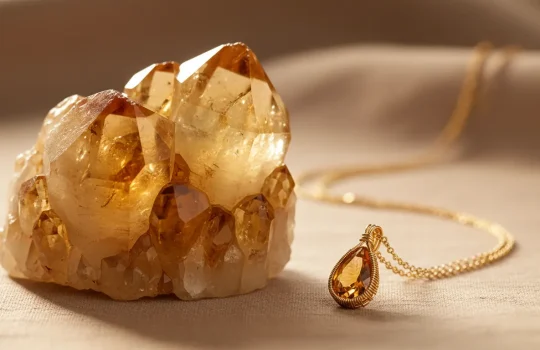
Topaz ranges widely, while citrine is the golden “good mood” stone that many people associate with optimism and momentum. In my own gifting, citrine has the best reaction rate because the color reads warm, friendly, and flattering on many skin tones.
Jewelry idea: citrine pendant or a topaz ring for sparkle lovers.
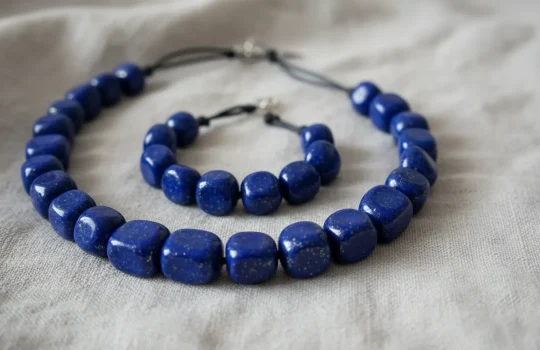
December Birthstones: Blue Zircon + Blue Topaz + Tanzanite (Traditional: Turquoise + Lapis Lazuli)
December on the birthstone chart is generous: multiple blues, multiple vibes. Blue topaz is crisp and bright; blue zircon has a classic heritage; tanzanite leans luxe with violet-blue depth. Turquoise and lapis bring a more ancient, symbolic feel.
Jewelry idea: blue topaz earrings for everyday brightness or turquoise beads for a grounded boho look.
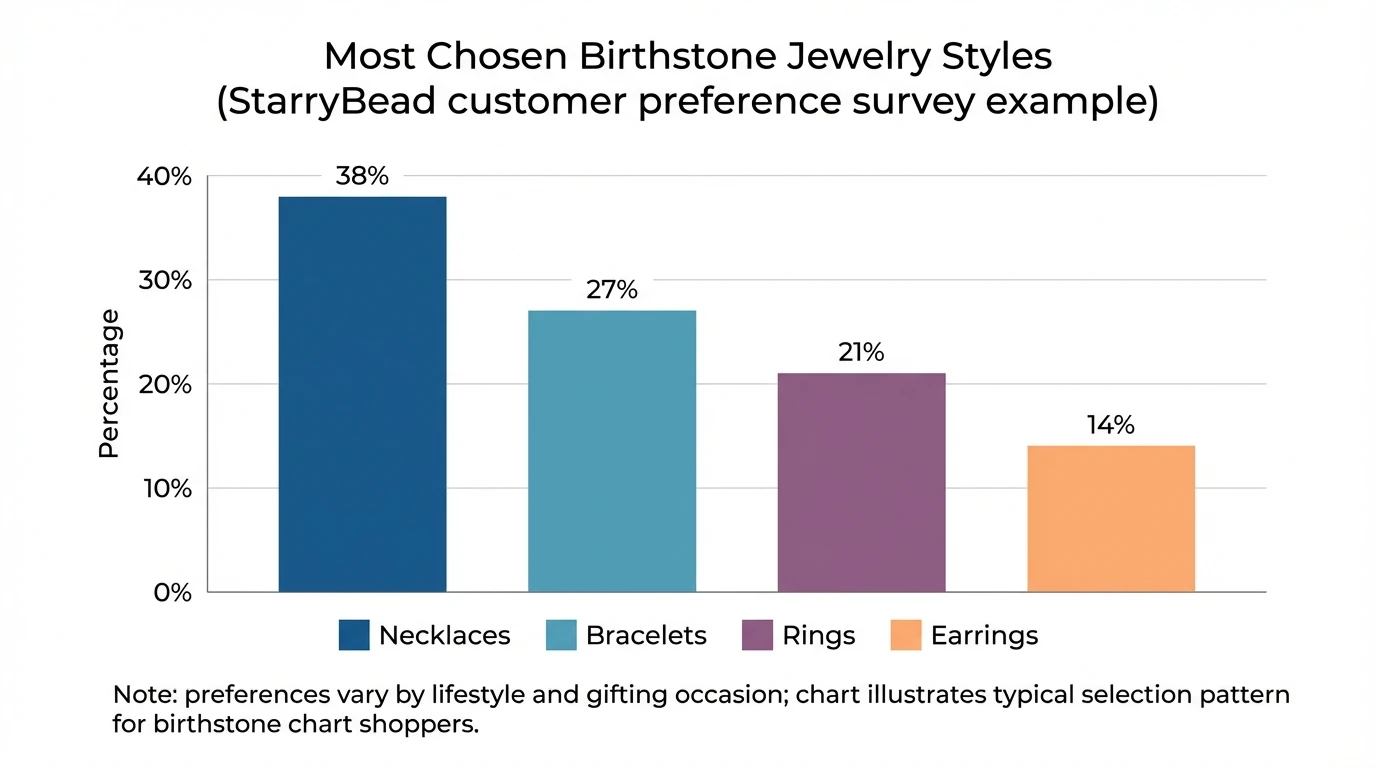
How to Pick the Right Birthstone Jewelry (Without Overthinking It)
Use this 5-minute checklist when the birthstone chart gives you too many options.
- Start with the month’s modern stone (most recognizable).
- Match the wearer’s daily colors (black/neutral wardrobes love deep stones; colorful wardrobes can handle brighter gems).
- Choose the right format for lifestyle
- Busy hands: necklace or studs
- Sensory-sensitive: smooth beads or polished cabochons
- Active lifestyle: snug bracelet fit, secure settings
- Add a supporting stone for meaning (common pairings):
- Clear Quartz for clarity and “amplifying” intention
- Smoky Quartz for calm, grounded focus
- Black Tourmaline for protective, steady energy
- Green Jasper for earthy balance
- Buy from a seller who proves authenticity. StarryBead includes certificates for 100% natural stones, which matters when you’re paying for real materials—not just color.
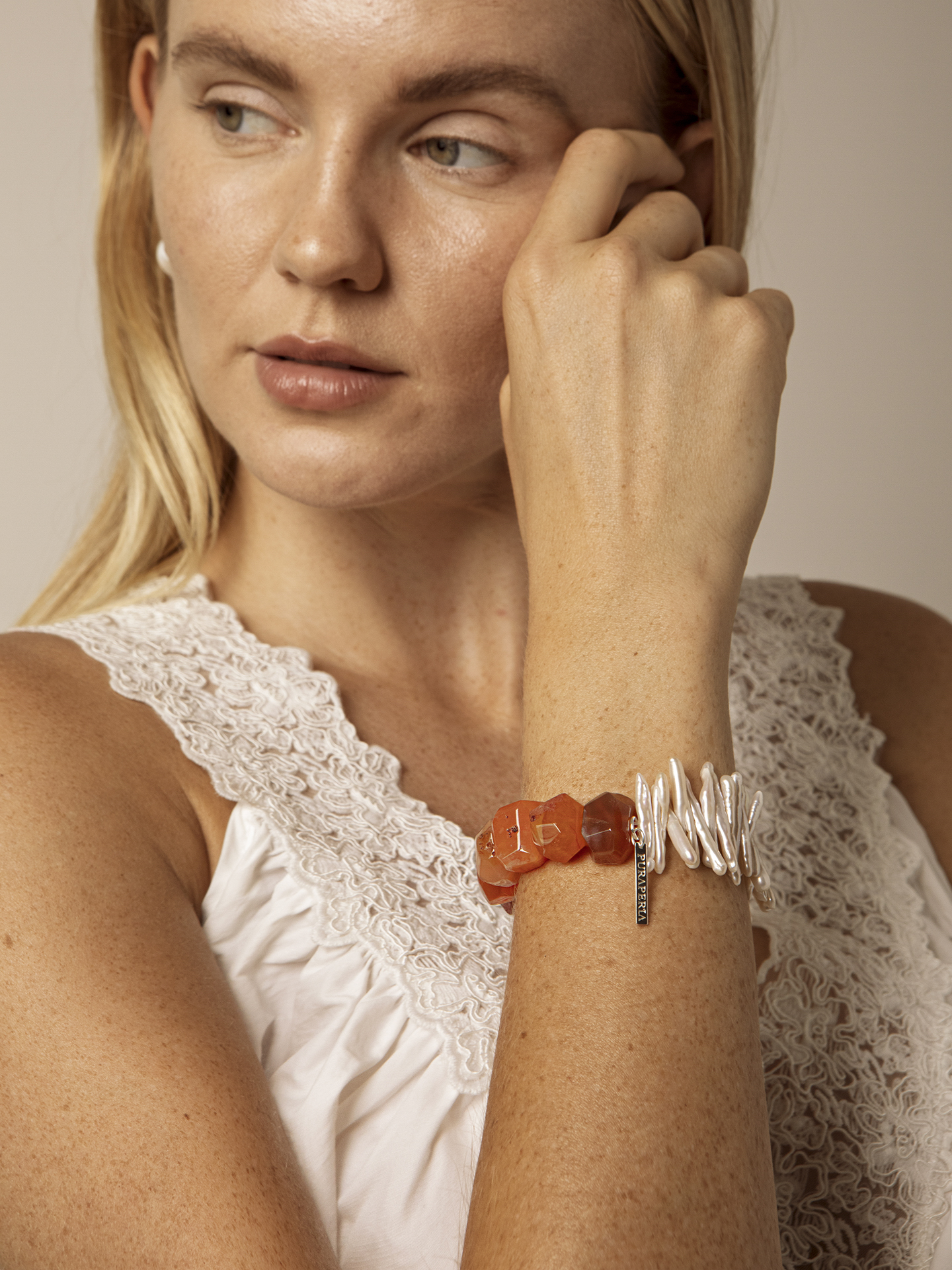
If you’re building a set, consider mixing birthstones with complementary materials (like Freshwater Pearl + a month stone) for a “personal but polished” look.
WHAT IS YOUR BIRTHSTONE? | BIRTHSTONES BY MONTH
Common Birthstone Chart Mistakes (and Easy Fixes)
| Common Birthstone Chart Mistake | Why It Happens | Simple Fix |
|---|---|---|
| Assuming only one stone per month | Modern updates | Use modern + traditional options |
| Picking based only on meaning | Doesn’t match style | Match wardrobe + skin tone |
| Choosing delicate stones for rough wear | Lifestyle mismatch | Choose secure setting/alternative stone |
| Buying without authenticity proof | Synthetics/mislabeled stones | Request certificate and return policy |
| Forgetting metal color | Stone looks different in gold vs silver | Choose metal that flatters gemstone color |
Where Birthstone Meanings Fit in (Wellness Meets Style)
Birthstone lore is meaningful whether you see it as spiritual, symbolic, or simply a personal ritual. I’ve found that people wear a piece more often when the story feels true to them: “This is my month,” “This marks my restart,” or “This reminds me to stay calm.” That’s exactly where StarryBead’s approach shines—jewelry that looks modern, but still carries intention through natural materials and craftsmanship.
If you want to explore beyond the birthstone chart, browse pieces that blend meaning and wearability—like crystal-forward bracelets, pearl accents, and minimalist gemstone necklaces.
Conclusion: Your Birthstone Chart, Your Story
A birthstone chart is a map, not a rulebook. Pick the modern stone for clarity, the traditional stone for heritage, or the alternative that fits the person you’re celebrating—because the “right” birthstone is the one they’ll actually wear and feel connected to.
📌 Invite readers to shop StarryBead birthstone-inspired jewelry, share their birth month in comments for personalized stone suggestions, and subscribe for new gemstone styling guides.
FAQ: Birthstone Chart Questions People Search
1) What is the correct birthstone chart by month?
Most shoppers use the modern birthstone chart, while traditional charts reflect older customs; both are widely referenced.
2) Why do some months have multiple birthstones?
Lists were updated over time for availability, variety, and trade standards—so some months gained extra options.
3) Is June pearl or alexandrite?
June commonly includes pearl and alexandrite (and often moonstone as an additional alternative).
4) What are the traditional birthstones vs modern birthstones?
Traditional is older and more heritage-based; modern is the updated list most jewelers sell today.
5) What if I don’t like my birthstone color?
Choose an alternate birthstone for your month (or a traditional option), or pick a complementary wellness stone you’ll wear daily.
6) Are birthstones the same worldwide?
Not always. Some countries and organizations publish slightly different lists, especially for months with multiple accepted stones.
7) How do I know if a birthstone is real?
Look for seller documentation (like certificates), clear material descriptions, and a transparent return policy—especially for popular stones that are often imitated.