Aquamarine Jewelers: How to Choose the Right Expert (and the Right Aquamarine) Without Overpaying
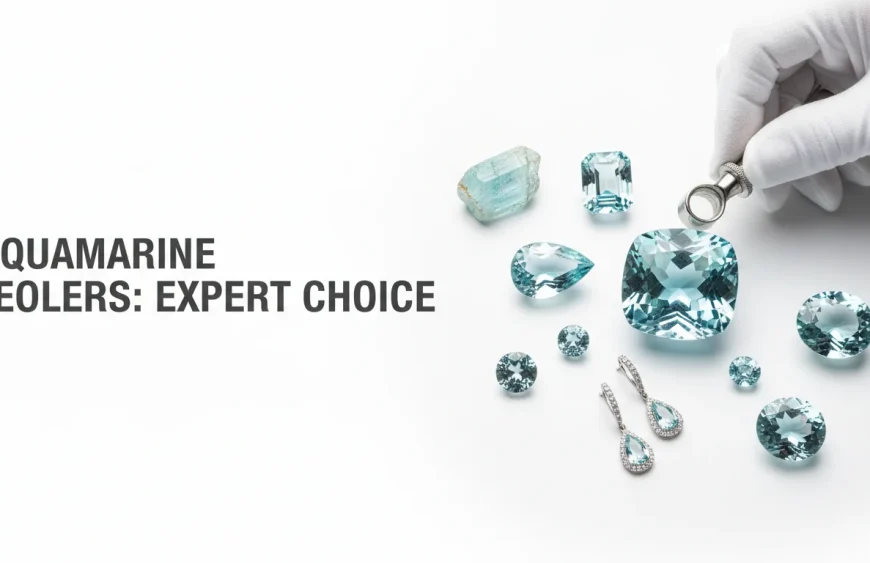
When you search for aquamarine jewelers, you’re rarely just shopping—you’re translating a feeling into something you can wear. Maybe it’s a March birthstone gift that needs to land perfectly. Maybe it’s a “fresh start” ring after a hard year. I’ve helped friends compare aquamarine pieces side-by-side, and the surprising truth is this: two stones that look “the same” online can wear completely differently in real life—because cut, tone, and setting do most of the talking.
This guide breaks down what reputable aquamarine jewelers do differently, how to judge aquamarine quality fast, what to ask before you pay, and how to choose a design that fits your style (and your budget).

What “Aquamarine Jewelers” Really Means (and Why It Matters)
“Aquamarine jewelers” can mean two very different things:
- A jeweler named Aquamarine Jewelers (a specific store/brand), known for custom work, repairs, and in-store services.
- Jewelers who specialize in aquamarine jewelry, including rings, earrings, bracelets, and necklaces—often sold by national retailers or boutique studios.
If you’re comparing options, it helps to separate “who they are” from “what they’re best at.” A shop focused on custom design and bench work will feel different from a retailer with hundreds of ready-to-ship SKUs.
For example, Aquamarine Jewelers (the Carmichael-based store) emphasizes custom design, bridal, repairs, and appraisals, plus financing options—useful if you want hands-on guidance and on-site service (Aquamarine Jewelers). Meanwhile, big catalogs can be great for quick browsing and price anchoring (Jared aquamarine jewelry).
Aquamarine 101: The 5 Quality Factors That Change the Price Fast
Aquamarine is a beryl (same family as emerald), loved for its sea-glass blue. But not all “blue” is equal. When evaluating pieces from aquamarine jewelers, focus on these five:
- Color (tone + saturation)
- Most aquamarine is light to medium blue.
- Higher saturation (more vivid blue) typically costs more.
- Clarity
- Aquamarine is often eye-clean; visible inclusions can lower value.
- Cut
- A great cut boosts sparkle and color return.
- Poor cut can make the stone look watery or gray.
- Carat size
- Larger aquamarines can still be relatively accessible versus other gems, but price rises with size and color.
- Treatment disclosure
- Heat treatment is common in aquamarine to improve color; reputable jewelers disclose this clearly.
If you only remember one thing: a well-cut, medium-blue aquamarine can look more expensive than a larger, poorly cut pale stone.

How to Vet Aquamarine Jewelers: A Quick Credibility Checklist
The best aquamarine jewelers make it easy to trust them—without pressure. Here’s what I look for (and what you should, too):
- Clear authenticity claims
- Natural vs simulated vs lab-created should be explicit.
- Certificates or documentation
- Especially for higher-ticket rings and center stones.
- Bench services and aftercare
- Resizing, prong checks, cleaning, stone tightening.
- Transparent return and warranty policies
- “Final sale” should be rare for fine jewelry unless customized.
- Real reviews and local reputation
- Yelp listings and third-party feedback can reveal service patterns (Aquamarine Jewelers on Yelp).
If you’re buying online, ask for a short video under neutral lighting. I’ve seen stones look “Caribbean blue” in marketing photos and then arrive leaning icy-gray in daylight.
The Most Popular Aquamarine Jewelry Styles (and Who They Suit)
Aquamarine is versatile—soft enough for minimalists, bright enough for statement lovers. Common picks from aquamarine jewelers include:
- Aquamarine rings
- Best for: milestones, engagement alternatives, self-gifts.
- Tip: prioritize setting security (prongs/bezel) if you wear it daily.
- Aquamarine necklaces
- Best for: everyday calm color, layering with pearls or gold chains.
- Aquamarine earrings
- Best for: easy “brightening” near the face; studs for daily wear, drops for events.
- Aquamarine bracelets
- Best for: stacking, “something blue” bridal looks.
National and regional retailers often categorize aquamarine by type and metal, which can help you compare quickly (Kay Outlet aquamarine jewelry).
Natural vs Simulated vs “Aquamarine-Look”: Don’t Get Tricked by Naming
One of the biggest confusion points I see with aquamarine shopping is labeling. Here’s the clean breakdown:
- Natural aquamarine: mined gemstone (may be heat-treated; that’s common).
- Simulated aquamarine: looks similar but is a different material (often glass or another gem).
- Lab-created stones: grown in a lab (depends on the material; not always aquamarine).
Some listings clearly state “simulated aquamarine,” especially in sterling silver fashion lines. That can be a perfectly valid choice—just don’t pay natural-stone prices for it. You’ll see simulated options in some curated collections, so read the product title and specs carefully (Aquamarine fine jewelry collection examples).
| Option | What It Is | Typical Price Range | Best For | What to Ask the Jeweler |
|---|---|---|---|---|
| Natural Aquamarine | Natural beryl gemstone with its original color (often lighter blue) | $200–$3,000+ per carat (quality/size dependent) | Collectors, those wanting untreated stones, heirloom pieces | Is it untreated? Any lab report available? Origin? Any clarity enhancements (fracture filling)? |
| Heat-Treated Natural Aquamarine | Natural aquamarine heated to reduce green tones and deepen blue | $50–$1,500+ per carat | Most buyers seeking strong blue at better value | Has it been heat-treated (standard)? Any other treatments? Can you disclose treatment in writing? |
| Simulated Aquamarine | Non-beryl material made to look like aquamarine (e.g., blue spinel, CZ) | $10–$200+ per carat equivalent | Budget-friendly sparkle, fashion jewelry, travel pieces | What is the actual material? Is it synthetic or a different gemstone? How durable (Mohs hardness)? |
| “Aquamarine Color” Glass/Crystal | Colored glass or crystal marketed by color, not gemstone identity | $5–$100 total (often under $50) | Costume jewelry, trend pieces, low-cost gifts | Is it glass or crystal? Any coatings that can wear off? How should it be cleaned/cared for? |
Questions to Ask Aquamarine Jewelers Before You Buy
Bring these questions into any showroom or customer support chat. Good aquamarine jewelers answer quickly and clearly:
- Is the aquamarine natural, and is it treated?
- What metal is the setting (solid gold, vermeil, sterling silver)?
- How is the stone secured (prongs, bezel, halo)?
- Can you share photos/videos in daylight and indoor lighting?
- What’s the return window and who pays return shipping?
- Do you offer resizing, repairs, and routine inspections?
- Is there documentation/certification for authenticity?
If the answers feel evasive, move on. Aquamarine is too common a gemstone for you to accept vague details.
StarryBead’s Take: Aquamarine as Wearable Calm (Wellness Meets Style)
At StarryBead, we design jewelry for people who want beauty with meaning—pieces that feel like a daily reset button. Aquamarine is a favorite in the wellness-and-style world because it’s often associated with calm communication, emotional balance, and a lighter mood. I’ve worn aquamarine on high-stress workdays, and what I noticed wasn’t “magic”—it was behavioral: the cool blue tone nudged me to slow down, breathe, and speak more carefully.
If you’re building a “supportive stack,” aquamarine pairs beautifully with:
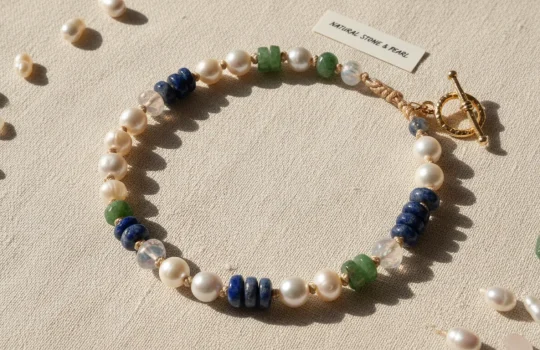
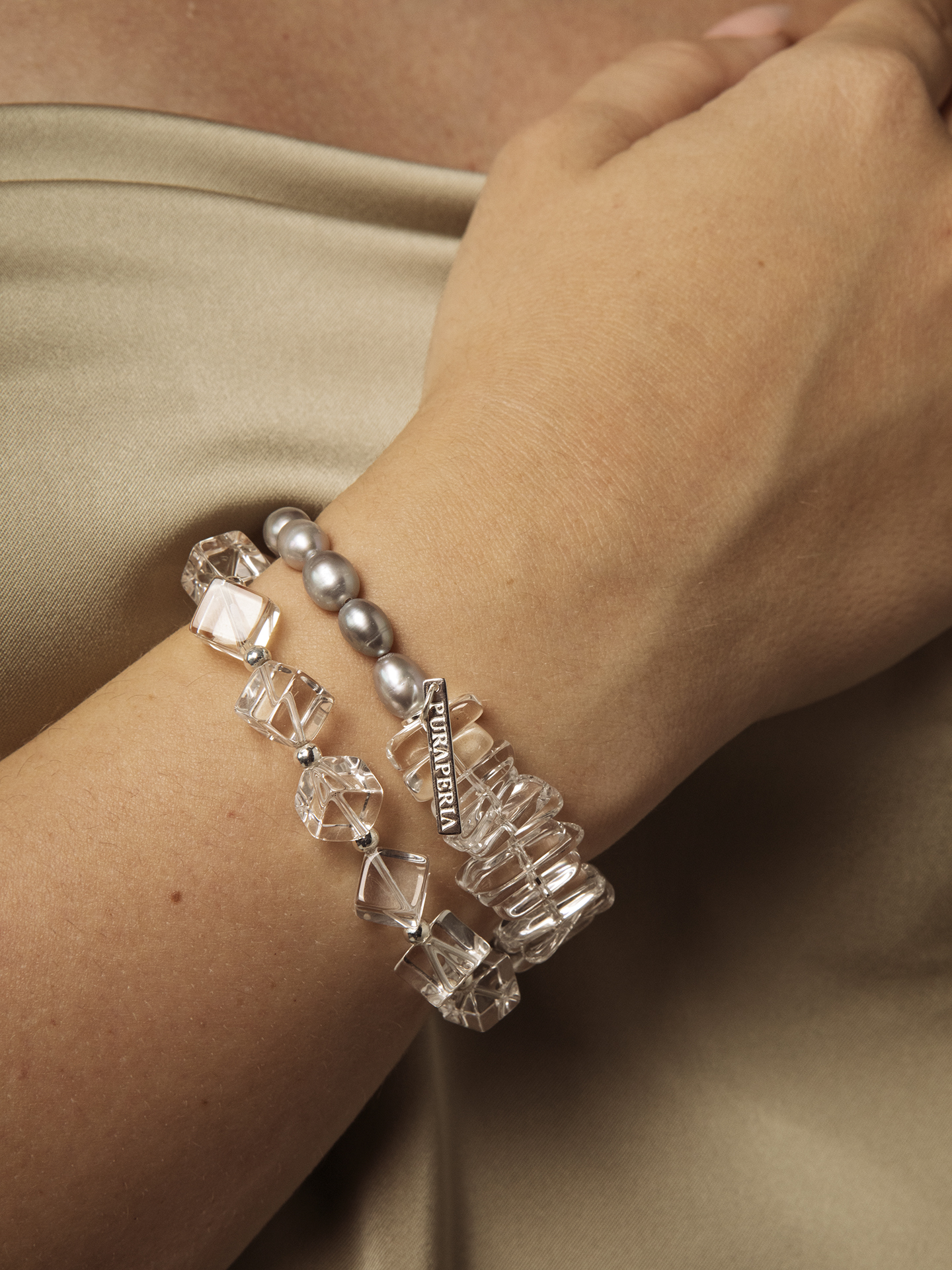
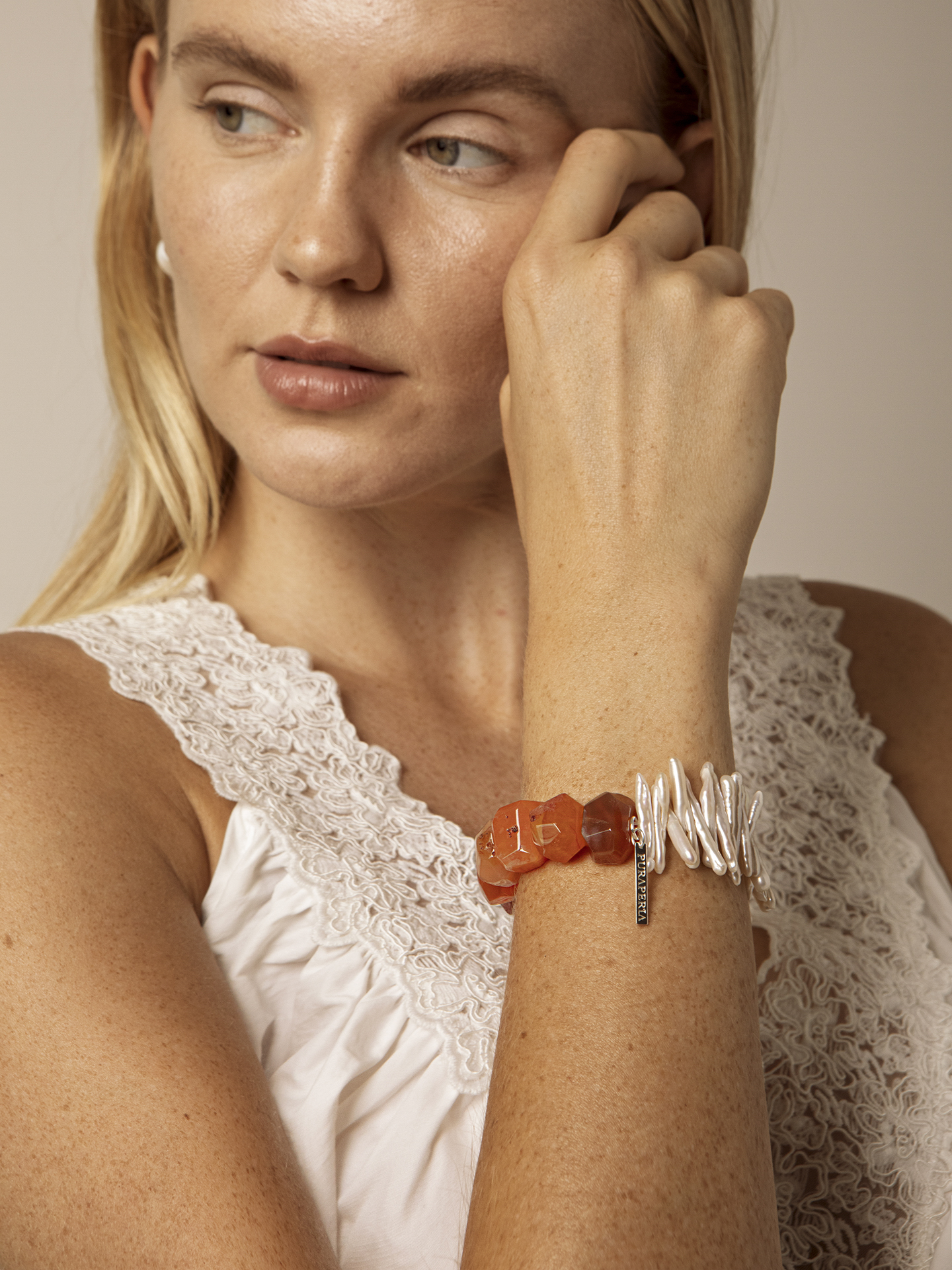
- Freshwater Pearl for softness and classic elegance
- Clear Quartz for a clean, bright look
- Smoky Quartz for grounded contrast
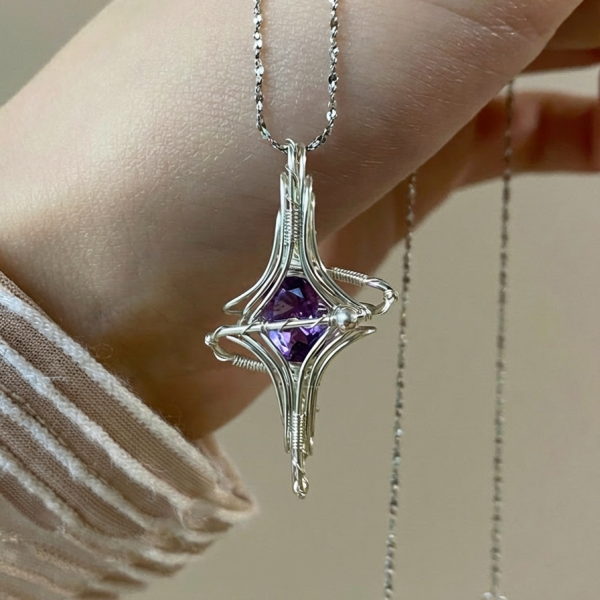
- Amethyst for a calm, dreamy palette
To explore complementary pieces, you might like our guides on crystal jewelry styling, how to tell if gemstones are real, and birthstone jewelry gifting ideas.

Common Buying Mistakes (and How to Fix Them)
Even smart shoppers slip up when comparing aquamarine jewelers online. Here are the most common errors I see:
- Mistake: Buying by carat only
- Fix: prioritize cut and color; request neutral-light photos.
- Mistake: Ignoring setting security
- Fix: choose bezel or sturdy prongs for daily wear.
- Mistake: Confusing simulated with natural
- Fix: read materials; ask for disclosure in writing.
- Mistake: Skipping aftercare
- Fix: pick jewelers who offer inspections, resizing, and repairs.
Aquamarine is durable enough for regular wear, but like any gemstone, it deserves a secure setting and occasional checkups.
Watch: What Aquamarine Looks Like in Different Lighting
Aquamarine’s Color Range by GIA
Conclusion: Find Aquamarine Jewelers Who Make You Feel Certain
The right aquamarine jewelers don’t just sell you a blue stone—they help you choose a piece you’ll still love when the novelty fades. When you focus on color, cut, honest labeling, and aftercare, you’ll avoid the “pretty online, disappointing in person” trap. And when you choose a design that fits your life (not just your feed), aquamarine becomes the kind of jewelry you reach for on purpose.
If you’re shopping aquamarine right now, tell me what you’re buying—ring, necklace, earrings, or bracelet—and the vibe you want (minimal, bold, bridal, everyday). I’ll help you narrow the best options and what to ask next.
FAQ: Aquamarine Jewelers
1) What should I look for in reputable aquamarine jewelers?
Look for clear treatment disclosure, authenticity documentation, strong return policies, and setting/repair support.
2) Is heat-treated aquamarine “real”?
Yes—heat treatment is common in natural aquamarine. The key is that the jeweler discloses it.
3) How can I tell if an aquamarine is simulated?
Check the listing for “simulated,” ask for material confirmation, and request documentation for higher-value pieces.
4) What metal looks best with aquamarine?
White gold and platinum emphasize icy blues; yellow gold warms the stone; sterling silver is a budget-friendly classic.
5) Is aquamarine good for everyday rings?
It can be, especially with a protective setting and routine prong checks. If you’re hard on your hands, consider a bezel.
6) Why does aquamarine look different in photos?
Lighting, white balance, and background colors can shift the perceived tone. Ask for daylight and indoor photos/videos.
7) What’s a fair way to compare aquamarine prices?
Compare stone color, cut quality, clarity, metal type, and setting craftsmanship—not just carat size.