August walks into the room like late-summer sunlight—bold, warm, a little dramatic—and then asks the question everyone eventually Googles: what gem is August, really? Maybe you’re buying a gift, building a birthstone stack, or you just want a piece that feels like “you.” I’ve helped friends shop August birthstone jewelry more times than I can count, and the confusion is always the same: “Why are there multiple answers?”
Here’s the clean, quick truth, then we’ll turn it into a simple “how-to” you can use.
Quick answer: What gem is August?
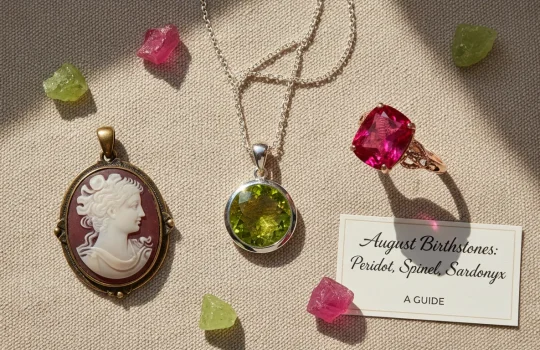
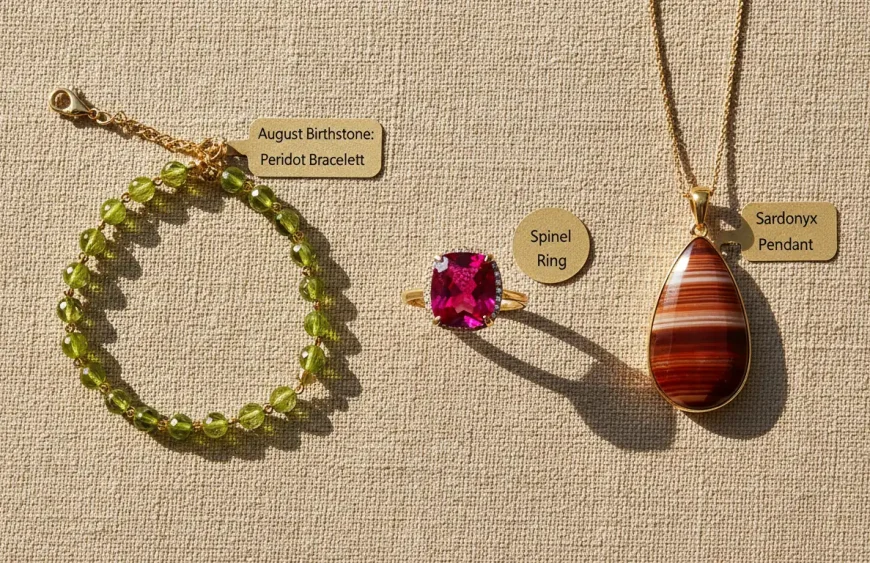
What gem is August? The official August birthstones are peridot, spinel, and sardonyx. In most modern lists, peridot is the best-known “main” August gem, while spinel and sardonyx are also recognized options—giving August-born folks more style and budget flexibility. The Gemological Institute of America (GIA) lists all three as August birthstones, with peridot and spinel highlighted prominently.
If you want the simplest one-word reply to “what gem is August?”: Peridot.

How to choose the right August birthstone (in 5 minutes)
When someone asks what gem is August, they’re often really asking: “Which August birthstone fits my lifestyle and vibe?” Use this quick path.
1) Pick your “why”: meaning, color, or durability
Start with the reason you’re buying—because it instantly narrows the options.
- Meaning-first (wellness + symbolism): Peridot is often associated with positivity and protection in historical lore; sardonyx is linked to courage and communication; spinel is often associated with renewal and harmony in modern gemstone storytelling.
- Color-first (styling): Want green? Peridot. Want a ruby-like red or a wild range of shades? Spinel. Want bold stripes and earthy contrast? Sardonyx.
- Durability-first (daily wear): If you want an everyday ring, spinel generally holds up well; peridot needs more care since it’s softer (more on that below).
For deeper picking help, StarryBead’s internal guide lays it out clearly: August Birthstone Guide: Peridot, Spinel & Sardonyx Meanings, Colors, and How to Choose Jewelry.
2) Match the stone to the jewelry type you’ll actually wear
This is the step most people skip—and the one that saves you money.
- Ring (high impact, high wear): choose spinel or a protected setting for peridot (halo/bezel).
- Necklace (low wear, high visibility): any of the three works beautifully.
- Bracelet (constant bumps): spinel beads or sardonyx beads can be more forgiving; peridot needs mindful wear.
- Earrings (easy wear): peridot studs are a summer classic; spinel adds color without being loud.
I tried wearing a peridot ring daily for two weeks while typing, cooking, and running errands—and I started babying it by day three. In a necklace, though, peridot feels effortless and still gives that “August glow.”
3) Use this fast comparison table (save it for shopping)
| August birthstone | Typical look | Why people love it | Wear notes | Best for |
|---|---|---|---|---|
| Peridot | Yellow-green to grass green | Bright “sunlit” color; rich history; classic August answer | Mohs 6.5–7; avoid steam/ultrasonic cleaning; store separately | Necklaces, earrings, occasional rings |
| Spinel | Many colors (red, pink, blue, purple, more) | Versatile colors; often confused with ruby historically; great alternative vibe | Generally durable for frequent wear | Rings, stacking pieces, everyday jewelry |
| Sardonyx | Banded layers (reddish-brown + white stripes) | Bold graphic pattern; vintage cameo energy; budget-friendly | Often used as beads/cabochons; great for statement pieces | Pendants, beads, signet-style looks |
Peridot: the classic answer to “what gem is August?”
If you’re asking what gem is August because you want the most recognized choice, peridot is it. GIA describes peridot as a yellowish green to greenish yellow variety of olivine, and its story is unusually epic: it can form deep in Earth’s mantle and even be found in meteorites—yes, space rock energy. Historically, peridot was often mistaken for emerald or topaz; some famous “emerald” decorations were later identified as peridot.
Peridot color, value, and what to look for
Peridot’s best look is a clean, lively green (many buyers call it “grass green”), without heavy brown or dull yellow.
- Color: deeper, purer greens are often more prized.
- Clarity: look for a bright, transparent face-up appearance.
- Budget reality: peridot is usually approachable in price; many natural stones sit in a mid-range per-carat cost, with higher-quality pieces priced up.
If you’re shopping and wondering “is this real peridot?” start by buying from a seller who provides authenticity proof—StarryBead includes certificates for natural stones, which matters when green gems can be mixed up or mislabeled.
Who should not wear peridot?
This question pops up a lot in “what gem is August” searches. There’s no universal, evidence-based rule that someone “should not” wear peridot—gemstone choices are personal. The only practical “do not” I recommend is this: don’t wear peridot in a high-wear ring if you know you’re hard on jewelry, because it can scratch or dull more easily than harder stones.
If your concern is astrological advice, treat it as optional self-expression—not medical or guaranteed guidance.
Spinel: the flexible August birthstone (and the surprise favorite)
Spinel is the choice I often recommend when someone loves the idea of birthstones but wants more color freedom than peridot’s green. According to GIA, spinel comes in a wide range of shades—reds, pinks, purples, blues, and more—and it has a long history of being mistaken for ruby in royal collections (the “great imposter” reputation is real).
How to choose spinel fast
- If you want a ruby vibe without buying ruby, look for red spinel.
- If you want something modern and calming, try blue or violet spinel.
- If you’re gifting and don’t know their style, soft pink spinel is a safe, wearable middle ground.
Sardonyx: the original August stone with bold stripes
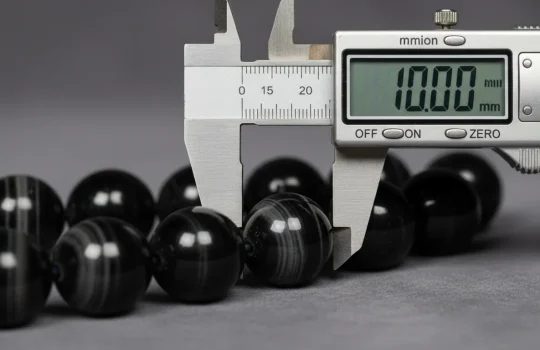
Sardonyx is the “heritage pick”—often described as the original August birthstone in older traditions. It features layered bands (sard + onyx), creating a natural stripe pattern that looks intentional, graphic, and a little vintage. It’s also commonly carved into cameos and worn as statement jewelry.
If you like jewelry that tells a story without being sparkly, sardonyx can feel grounded and strong.

How to care for August birthstones (simple, real-world rules)
Peridot care (most important)
Peridot needs the most mindful care. GIA notes peridot is about 6.5–7 on the Mohs scale and can be vulnerable to thermal shock.
- Clean with warm water + mild dish soap and a soft brush.
- Avoid steam cleaners and ultrasonic cleaners.
- Store it separately so harder gems don’t scratch it.
- Take it off for workouts, cleaning, and heavy chores.
Spinel and sardonyx care
- Use gentle soap and water.
- Avoid harsh chemicals.
- Store pieces so they don’t bang together.
When in doubt, choose “gentle and boring.” Boring care is how jewelry stays gorgeous.
AUGUST Birthstones | Peridot Spinel Sardonyx
August lucky stone, birth color, and “real” birthstone—clearing up the confusion
If you’ve been circling the question what gem is August because answers conflict, here’s why.
- “Real birthstone of August” depends on the list you’re using. Modern authorities like GIA include peridot, spinel, and sardonyx for August.
- August birth color is often associated with green because peridot is the most recognized. But spinel expands August into many colors.
- August lucky stone is often used interchangeably with “birthstone,” and many people mean peridot when they say it.
If you want to compare how August sits in the bigger calendar, StarryBead’s reference-style guide helps: Birthstone Chart by Month (Modern vs Traditional): Meanings, Colors & Jewelry Guide.
Trusted sources (so you can verify what gem is August)
For gem accuracy (not folklore), these are solid references:
- GIA’s August birthstones overview (Peridot & Spinel)
- GIA Birthstones by Month (master list)
- American Gem Society: August birthstones (Peridot, Sardonyx, Spinel)
A quick “how-to” shopping checklist (use this on product pages)
Next time you’re shopping and thinking what gem is August—and which one you should buy—run this list:
- Pick the stone: peridot (classic green), spinel (color variety), or sardonyx (banded and bold).
- Choose the right format: rings = tougher needs; necklaces = easiest daily wear.
- Check for:
- Clear photos in natural light
- Material disclosure (“natural,” treatments if any)
- Return policy and support
- Authenticity proof (certificates help)
If you want a “neighbor month” comparison for gifting (people often buy August + September together for couples/family), this Sapphire guide is a helpful companion: Sapphire Birthstone Guide: Meaning, Colors, Value & How to Choose the Perfect Piece.

Conclusion: so, what gem is August—and which one is yours?
If August could answer for itself, it would probably say: “Why choose one?” The official reply to what gem is August is peridot, spinel, and sardonyx, with peridot as the most widely recognized classic. Pick peridot for that unmistakable green glow, spinel for color freedom and everyday flexibility, or sardonyx for a bold, historical statement.
Now I’m curious: which one feels like your August—sunlit green, vivid spinel color, or striped sardonyx? Drop a comment with your pick (and what you’re buying it for), and share this with someone whose birthday is coming up.
FAQ: People also ask about what gem is August
1) What is the real birthstone of August?
Modern authorities list peridot, spinel, and sardonyx as August birthstones. If you want the most commonly recognized single answer, it’s peridot.
2) Why does August have three birthstones?
Because birthstone traditions evolved over time as tastes and availability changed. Sardonyx is the older traditional option; peridot became the main modern pick; spinel was added more recently to offer more color choices.
3) How valuable is peridot?
Many natural peridots are affordable, commonly averaging around $50–$80 per carat, with higher-quality stones priced higher. (Price varies by color, clarity, size, and cut.)
4) Who should not wear a peridot?
There’s no universal rule, but if you’re tough on jewelry, avoid wearing peridot daily in a ring. Peridot is softer than many gems and needs gentler care.
5) What is August’s lucky stone?
People often mean peridot when they say “August lucky stone,” though August also has spinel and sardonyx as official options.
6) What birth color is August?
Most people associate August with green because of peridot, but spinel expands August into reds, pinks, blues, purples, and more.
7) What does the Bible say about peridot?
Some traditions connect certain stones (including sardonyx in particular) to biblical gemstone lists, but exact modern gem IDs can be debated due to translation and historical naming. If you’re choosing based on faith symbolism, focus on meaning and tradition rather than a single definitive identification.