When I think about a birthstone for May born, I picture that first real stretch of spring—when everything looks greener, brighter, and a little more possible. If you’re shopping for yourself or someone you love, you’ve probably asked the same questions I hear all the time: Is May’s birthstone really emerald? What does it “mean”? And how do I pick one that looks stunning and lasts? Let’s walk through emerald with a clear eye—beauty, symbolism, quality, and wearable choices—so your May birthstone piece feels personal, not generic.
What Is the Birthstone for May Born?
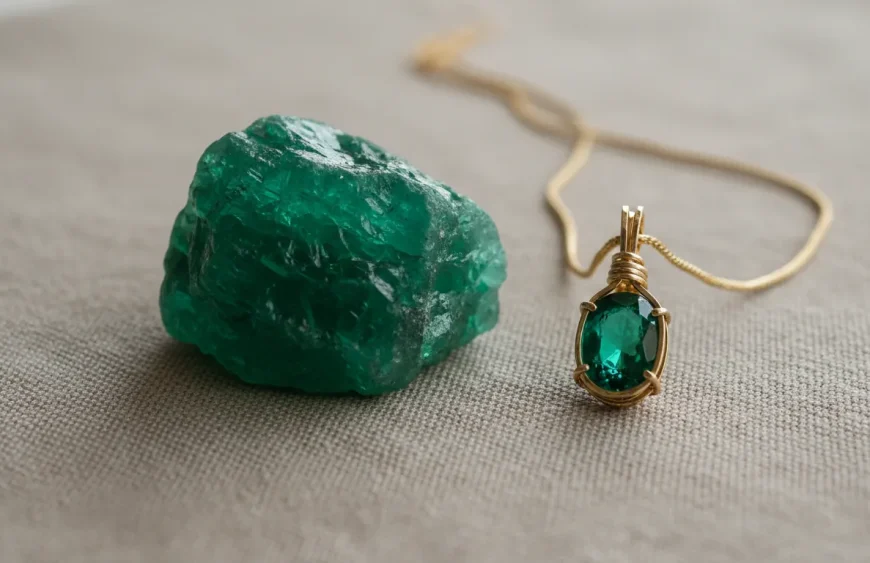
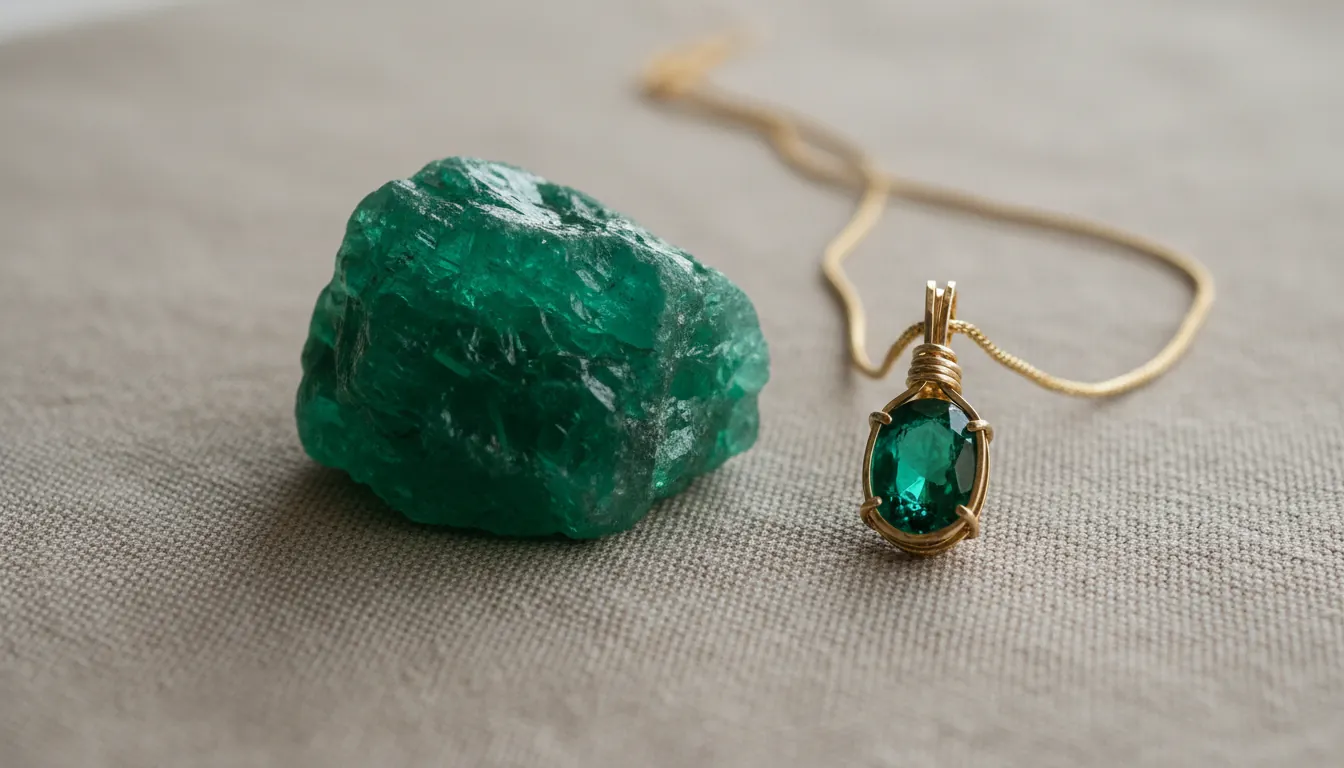
The classic birthstone for May born is emerald—a rich green gemstone long tied to renewal, growth, and love. Both modern and traditional birthstone lists commonly align on emerald for May, which is part of why it’s so widely recognized. Many people choose emerald not only for its color, but because it’s one of those stones that instantly reads “special” even in a simple setting.
Emerald is a variety of beryl (the same mineral family as aquamarine), but its green color—caused mainly by chromium and sometimes vanadium—is what makes it iconic. If you want a reliable, gem-science-backed reference, the Gemological Institute of America’s May birthstone overview is a strong starting point.
- Month: May
- Primary stone: Emerald
- Color identity: Lush green (from soft garden green to deep forest tones)
Emerald Meaning: What May’s Birthstone Symbolizes
Emerald has been linked to themes that fit May perfectly: rebirth, fresh starts, and heart-centered energy. In traditional lore, it’s been associated with clarity, insight, and harmony in relationships. In modern wellness and crystal communities, emerald is often discussed as a “heart stone,” used symbolically to support compassion, steadiness, and emotional balance.
I’ve personally worn green stones during high-stress seasons because the color itself feels calming—like a visual exhale. That said, it’s smart to keep the language grounded: gemstones can be meaningful and supportive, but they’re not medical treatment.
Common symbolic associations for emerald include:
- Renewal & growth: Great for May birthdays and new chapters
- Love & loyalty: Often chosen for anniversary gifts (including 20th and 35th)
- Balance: A “steady” energy many people seek in daily wear
For more on the cultural and historical positioning of emerald as May’s gem, the American Gem Society’s May birthstone page offers a helpful overview.
Emerald History (And Why It Became So Loved)
Emerald’s story is one of power, art, and obsession—royalty and collectors across centuries wanted it for the same reason we do now: it looks alive. Ancient admiration spans from Egyptian legend to South American treasure history; the gem has long been treated as a symbol of status and devotion. According to gem authorities, emerald has been revered for millennia, and its association with spring and renewal is no accident—green is the visual language of May.
If you’re curious about broader birthstone systems and how they evolved over time, Wikipedia’s birthstone overview gives useful context on how lists vary by era and region.
How to Choose an Emerald: The Practical Buying Checklist
Buying the right birthstone for May born isn’t about chasing the biggest stone—it’s about picking the best combination of color, durability, and credibility for your budget. Emeralds commonly contain inclusions (often called “jardin,” French for garden), and those inclusions can be part of the stone’s charm. The key is knowing what’s normal and what’s risky.
1) Color comes first
Emerald value rises with a vivid, balanced green. Look for:
- Medium to deep green body color
- Even color distribution (no dull gray mask)
- A lively look in both indoor and daylight
2) Clarity: inclusions are expected
Most emeralds have inclusions, but you want stability.
- Fine inclusions can look beautiful and natural
- Large fractures near edges can be fragile, especially in rings
3) Cut: prioritize “life,” not just shape
A good cut improves brightness and reduces stress on the stone. Emerald cuts are popular because they protect corners.
4) Natural vs lab-grown vs imitation
Be clear on what you’re buying.
- Natural emerald: mined; inclusions common; may be treated
- Lab-grown emerald: same chemistry; often cleaner; great value
- Imitation (glass/other): not an emerald
5) Treatments and certificates
Many emeralds are oiled or resin-treated to improve apparent clarity. This can be acceptable—if disclosed. Always look for transparent documentation from the seller.
| Type | What It Is | Typical Look | Durability for Daily Wear | Price Range | What to Ask the Seller |
|---|---|---|---|---|---|
| Natural Emerald (treated) | Natural beryl colored by chromium/vanadium; commonly clarity-enhanced (usually oil/resin) | Rich green; visible “jardin” inclusions; color can be vivid even with inclusions | Good with care; avoid knocks, heat, ultrasonic/steam; treatments can be affected by cleaning | $$ | What treatment and level (minor/moderate/significant)? Oil vs resin? Any filling dye? Lab report (GIA/AGL/IGI)? Care/cleaning instructions? |
| Natural Emerald (untreated/low treatment) | Natural emerald with no or minimal clarity enhancement; rarer | Similar to above but often more transparent for the quality; inclusions still common; strong, even color commands premium | Good with care; generally better stability than heavily treated stones but still impact-sensitive | $$ | Is it “no clarity enhancement” or “minor”? Which lab verified? Origin (Colombia/Zambia/etc.)? Any evidence of polymer/resin? Return policy if report disagrees? |
| Lab-Grown Emerald | Emerald grown in a lab (hydrothermal/flux); same chemistry as natural | Clean to lightly included; strong, even green; can look “too perfect” depending on growth method | Good with care; similar wear traits to natural; fewer fracture-fills but still avoid hard impacts | $–$$ | Growth method (hydrothermal or flux)? Any post-growth treatments? Disclosure wording (“lab-grown” vs “synthetic”)? Lab report and inscriptions? |
| Green Beryl (not emerald) | Natural beryl that is green but not saturated enough to be classified as emerald | Lighter, cooler green; more transparent; fewer dramatic inclusions | Very good; typically more stable and less fractured than emerald; still treat gently | $–$$ | Confirm it is green beryl, not marketed as emerald? Any treatments? Color stability (any dye/coating)? Carat weight vs face-up size? |
| Emerald Imitation | Look-alike material (green glass, CZ, dyed quartz, doublets/triplets) | Often very clean; uniform color; may show bubbles (glass) or overly bright “neon” (CZ); may have visible junction lines (doublet) | Varies: glass scratches/chips more easily; CZ can abrade; doublets/triplets are vulnerable to water/heat | $ | Is it natural/lab-created or simulant? Material type (glass/CZ/composite)? Any coating/dye? How should it be cleaned? Will you provide a written disclosure/invoice description? |
Where Emeralds Come From (And Why Origin Can Matter)
Emeralds are sourced globally, and origin can influence tone, clarity profile, and price. Some regions are famous for saturated greens; others produce lighter, clearer stones. Origin alone doesn’t guarantee quality, but it can help explain why two emeralds that “look similar” cost very different amounts.
If you want a gem-education overview that’s not salesy, the GIA May birthstone page covers background and sourcing in a straightforward way.
Styling Ideas: How to Wear May’s Birthstone Without Overthinking It
Emerald can be a statement, but it doesn’t have to be loud. I’ve found the easiest way to wear a May stone daily is to pick one “anchor” piece and let everything else stay simple.
Try these combinations:
- Minimalist look: emerald pendant + plain chain + neutral outfit
- Stacked wellness style: emerald with Clear Quartz or Smoky Quartz for a grounded, clean vibe
- Soft, romantic: emerald with Freshwater Pearl (great for gifting)
- Bold contrast: emerald with Black Tourmaline for a sharp black-and-green palette
If you’re building a gemstone wardrobe, it helps to think in “mood pairings,” not just colors. (That’s where a curated brand like StarryBead can shine: handcrafted design plus natural materials chosen for meaning.)
Care Guide: Keeping Emerald Jewelry Beautiful
Emerald is precious, but it isn’t “invincible.” Because many emeralds have inclusions and may be treated, harsh cleaning can be a problem. I learned this the hard way early on—an ultrasonic cleaner can turn a “fine” stone into a regret.
Best practices:
- Clean with lukewarm water, mild soap, and a soft brush
- Avoid ultrasonic and steam cleaners
- Store separately to prevent scratching
- Remove before gym, gardening, heavy lifting, or chemicals
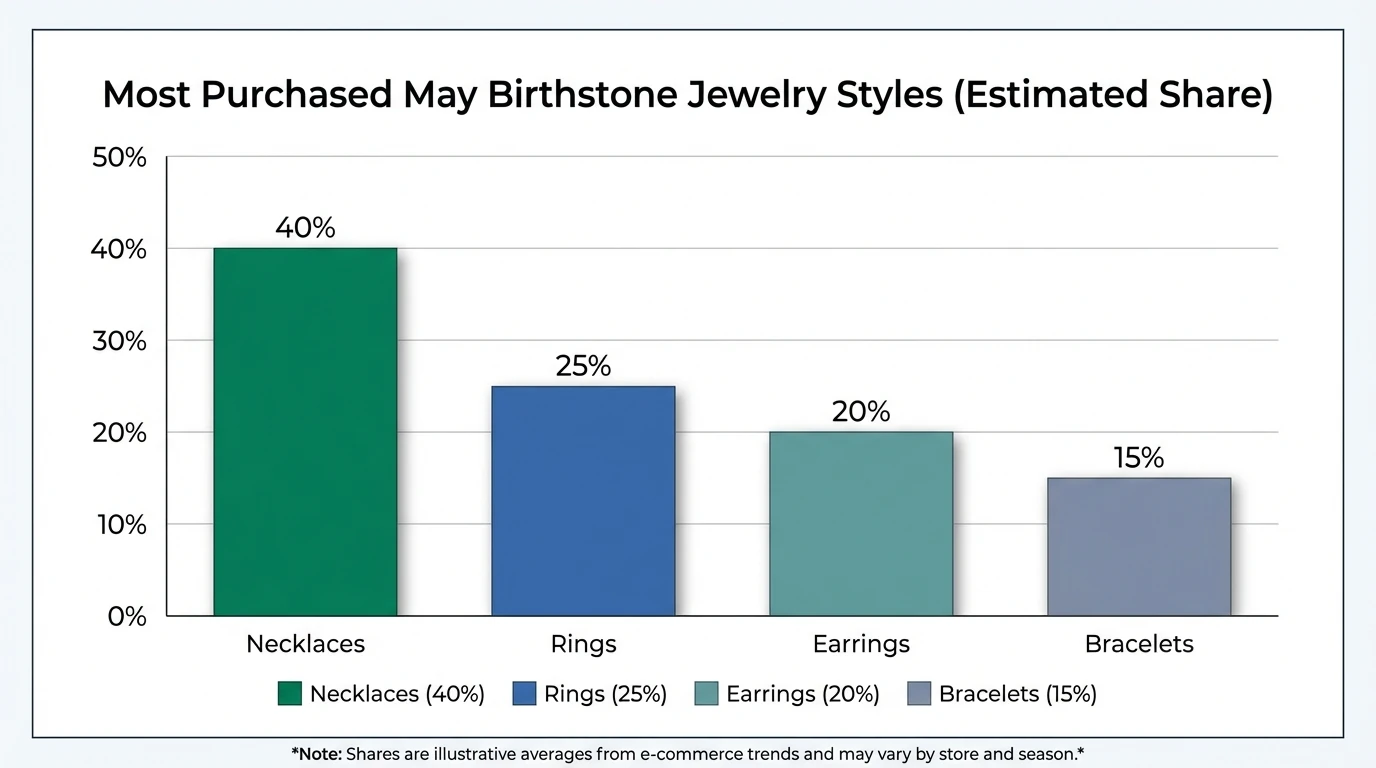
Quick Data: What People Buy for May Birthstone Jewelry
Not everyone wants the same format. Some shoppers want a classic ring; others want a wearable daily necklace. Here’s a simple way to visualize typical preferences (useful if you’re gifting and unsure).
May Birthstone Alternatives (If Emerald Isn’t the Right Fit)
Sometimes emerald is visually perfect but not practical (or not the budget). If you still want a “May energy” look—green, renewal, heart-centered—consider these options:
- Green beryl: similar family, typically lighter green
- Green jasper: earthy, grounding, very wearable
- Green-toned crystal mixes: pairing green stones with Clear Quartz can brighten the overall look
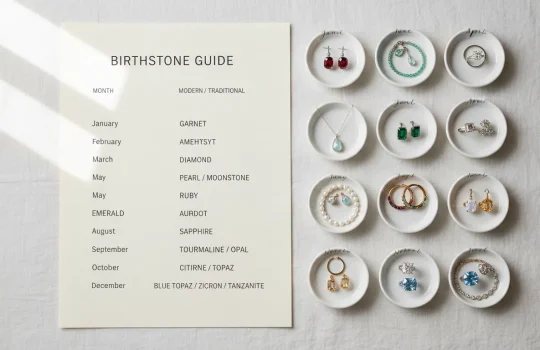
A helpful reminder: birthstone traditions can vary by list and time period. The main modern/traditional consensus remains emerald for May, but alternate stones are common in contemporary jewelry styling.
A Gift Script (So It Feels Personal)
If you’re giving a birthstone for May born gift, the message matters as much as the stone. Here’s a simple line that doesn’t feel cheesy:
- “I chose emerald because May is the month of new beginnings.”
- “I love that it’s green—calm, strong, and alive.”
- “Every time you wear it, I hope it reminds you to keep growing.”
Birthstone Series: Emeralds for May
Conclusion: Let May’s Birthstone Tell a Story You’ll Actually Wear
The birthstone for May born—emerald—has earned its place through color, history, and the way it seems to hold spring inside it. Whether you choose a classic emerald pendant, a daily-wear bracelet, or a bold ring, the best piece is the one that matches your life: your style, your budget, your comfort, and your meaning. If you’re looking for something that blends fashion with intention, StarryBead’s handcrafted approach to natural gemstones is made for this kind of personal storytelling.
📌 Invite readers to shop StarryBead’s May birthstone-inspired green gemstone jewelry collection, and to comment with the recipient’s style (minimal, bold, romantic) for personalized recommendations
FAQ: Birthstone for May Born
1) What is the birthstone for May born?
Emerald is the widely recognized birthstone for May, in both modern and traditional lists.
2) What does the May birthstone emerald symbolize?
Emerald is commonly associated with renewal, love, and growth, and is often viewed as a heart-centered stone in wellness traditions.
3) Are emerald inclusions normal?
Yes. Most natural emeralds have inclusions (“jardin”). The goal is to avoid inclusions that threaten durability, especially for rings.
4) Is lab-grown emerald a real emerald?
Lab-grown emerald has the same chemical composition and crystal structure as natural emerald. It differs in origin and often has fewer inclusions.
5) How do I clean emerald jewelry safely?
Use lukewarm water, mild soap, and a soft brush. Avoid ultrasonic and steam cleaning, which can damage treated or included stones.
6) What jewelry style is best for a May birthstone gift?
Necklaces and earrings are generally safer for daily wear than rings because they face fewer impacts.
7) Where can I learn more about emerald as May’s birthstone from a trusted source?
Start with the GIA May birthstone guide and the American Gem Society overview.