Blue Sapphire Jewelers: How to Choose the Right Sapphire (and the Right Jeweler) Without Regrets
You’re standing at the edge of a decision that feels bigger than jewelry: a blue sapphire that’s supposed to mark a promise, a milestone, or a fresh start. You open ten tabs, and suddenly every store claims “the best blue sapphires,” “natural,” “handcrafted,” “custom”—but the details get blurry fast. I’ve been there, comparing specs late at night, trying to decode what “heat-treated” really means and why two stones that “look the same” cost wildly different amounts. This guide is the shortcut I wish I had, built to help you choose blue sapphire jewelers with confidence—especially if you care about both beauty and meaning.
What “Blue Sapphire Jewelers” Should Mean (Beyond a Store Name)
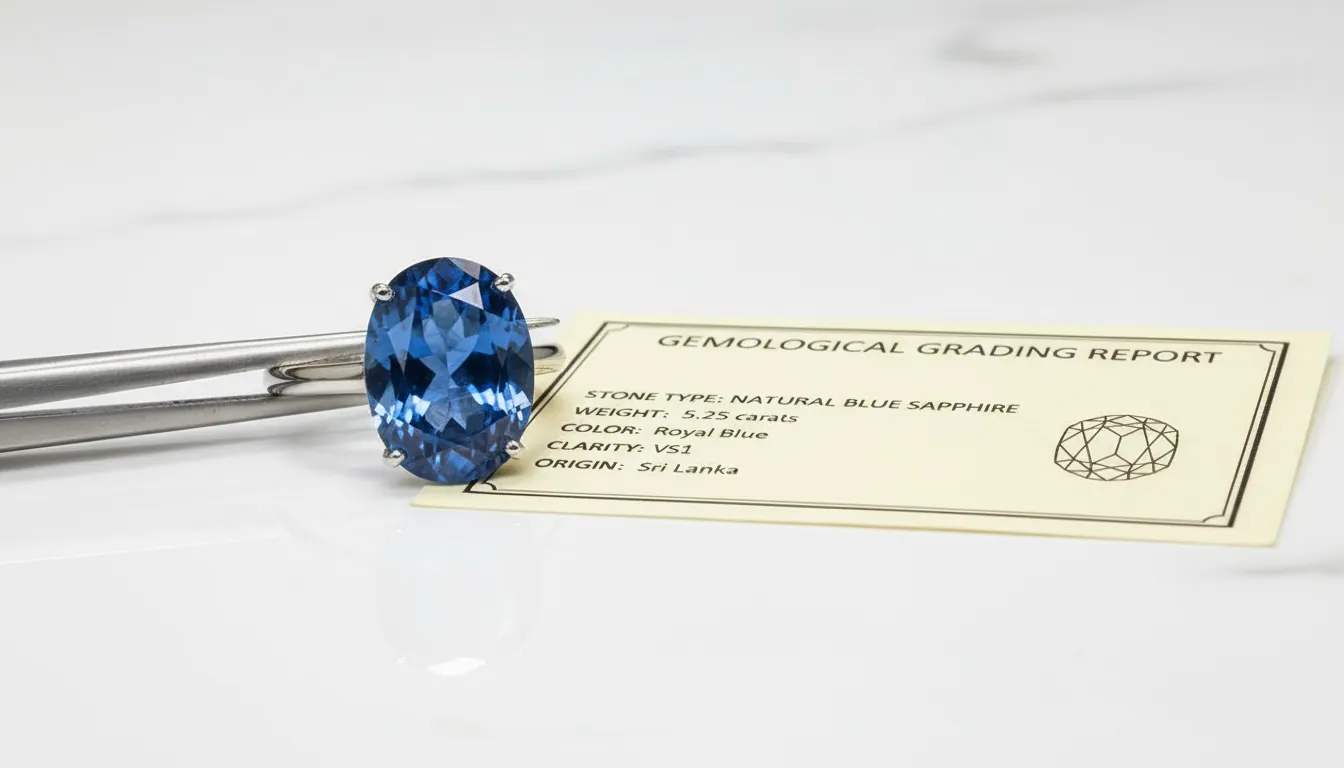
The phrase blue sapphire jewelers gets used in two ways: it can be a specific business name, and it can also describe jewelers who specialize in sourcing and setting blue sapphires. The best ones don’t just sell you a ring—they guide you through origin, treatment, durability, design, and long-term care. In practice, specialization shows up in how clearly they explain sapphire quality and how transparent they are about what you’re buying.
When I evaluate blue sapphire jewelers, I look for three signals:
- They can show stone-level documentation (receipts, lab reports, or provenance statements when available).
- They explain trade-offs (color vs. clarity vs. carat) without pushing you into the most expensive option.
- Their settings and workmanship match the stone’s value—no “premium gem in a flimsy mount” situation.
Blue Sapphire Basics: The 5 Factors That Drive Beauty (and Price)
A blue sapphire is corundum—hard, durable, and ideal for daily wear. But “blue sapphire” covers a huge range of tones, treatments, and origins. If a jeweler can’t walk you through these factors clearly, keep shopping.
1) Color: The “Blue” You Actually Want
Color is king. Many buyers picture a vivid, velvety royal blue, but you’ll also see inky navy, bright cornflower, and lighter denim tones. Ask how the sapphire looks in daylight and indoor light—some stones go gray or overly dark indoors, which can feel disappointing after purchase.
2) Clarity: Eye-Clean Matters More Than Flawless
Most natural sapphires have inclusions. The practical goal is “eye-clean,” meaning inclusions aren’t visible without magnification. A jeweler who specializes in blue sapphires will show you the stone under different lighting and magnification without acting defensive.
3) Cut: The Hidden Driver of Sparkle
Sapphires don’t “sparkle” like diamonds, but a well-cut sapphire has life—brightness, even color, and no dead zones. Watch for a “window” (a see-through patch in the center) that makes the stone look watery.
4) Carat: Size Isn’t Linear in Price
Prices often jump at common milestones (1.00ct, 2.00ct, 3.00ct). A 1.90ct stone can look nearly the same size as 2.00ct but cost less—good blue sapphire jewelers will mention smart thresholds like this.
5) Treatment: The Conversation You Must Have
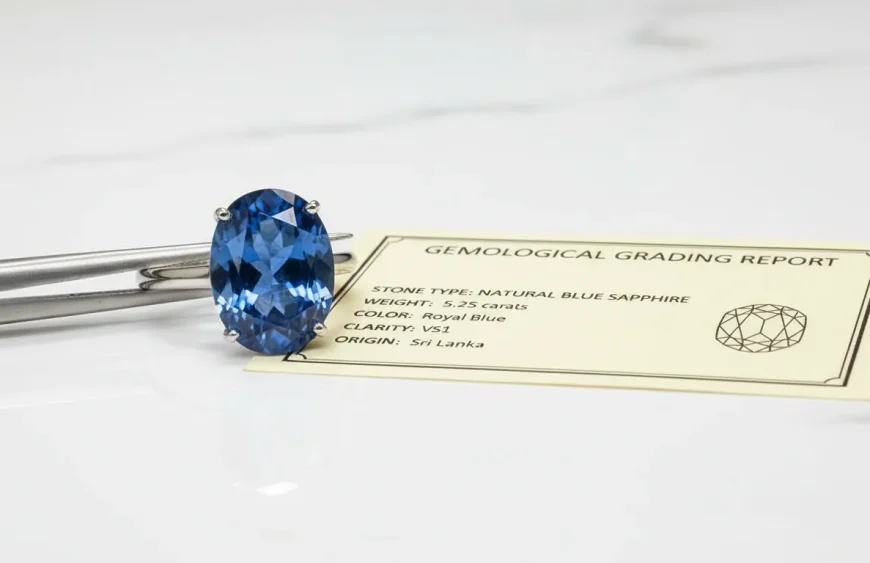
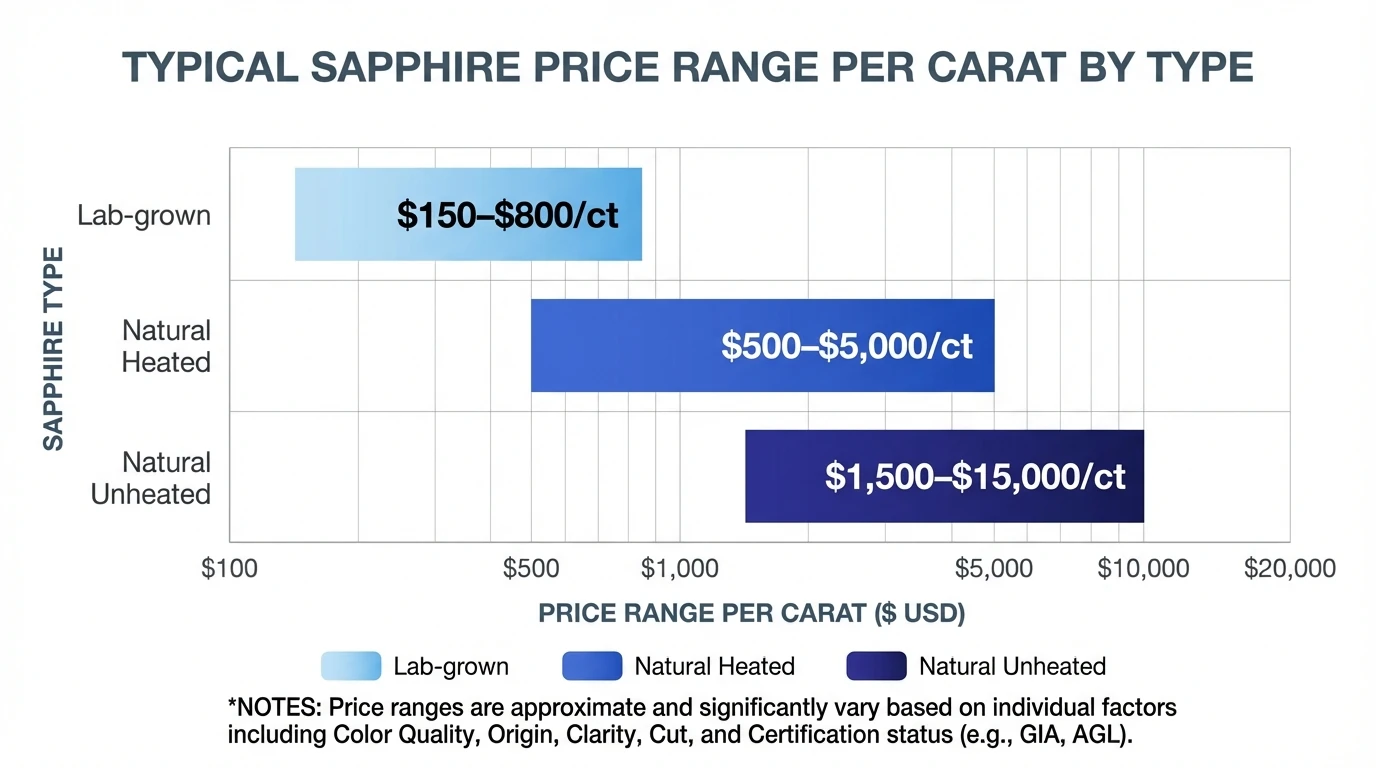
Heat treatment is common and accepted in the industry, but it should be disclosed. Unheated sapphires typically cost more because they’re rarer. If a listing or salesperson is vague about treatment, that’s not a “minor detail”—it’s the detail.
Natural, Treated, Lab-Grown: A Simple Decision Map
If you want a sapphire that’s rare and collectible, you’ll likely prioritize natural and potentially unheated stones. If you want the look at a friendlier budget, treated or lab-grown can be a fit—as long as it’s clearly disclosed. The point isn’t that one is “good” and another is “bad.” The point is matching the stone to your values and budget, honestly.
Here’s how I frame it when advising friends:
- Natural + heated: Great value, classic choice, widely available.
- Natural + unheated: Rarity premium; ideal for collectors or heirloom intent.
- Lab-grown: Affordable, consistent color/clarity; great for larger sizes on a budget.
What to Ask Blue Sapphire Jewelers Before You Buy (The Non-Awkward Script)
A good jeweler won’t rush these questions. A great one will answer them before you ask.
- Is the sapphire natural or lab-grown?
- What treatments has it had (heat, diffusion, fracture filling)?
- Do you have a lab report (GIA/AGL/IGI/GCAL or reputable regional labs)?
- Can I see it in daylight-equivalent lighting?
- What is the return/resize policy, and who covers shipping/insurance?
- What metal and setting style best protects the stone for daily wear?
- Do you offer lifetime cleaning/checkups, prong inspections, or maintenance guidance?
For a deeper overview of what sapphire specialists offer (custom designs, setting options, and broader sapphire education), compare how established retailers present their sapphire inventory and customization workflows—see The Natural Sapphire Company as one reference point.
The Most Common Buying Mistakes (and How to Avoid Them)
| Mistake | Why it matters | What to do instead |
|---|---|---|
| Buying by carat only | Carat weight doesn’t guarantee size, beauty, or value; cut, color, clarity, and shape can make a smaller stone look larger and brighter | Compare measurements (mm), cut quality, and overall face-up appearance; prioritize cut and proportions for sparkle |
| Not asking about treatment | Treatments can affect durability, care requirements, and resale value; undisclosed enhancements can lead to overpaying | Ask for full disclosure (heat, irradiation, fracture filling, diffusion, etc.) and get it stated on the invoice/certificate |
| Choosing a too-dark stone | Dark stones can look “closed off,” reducing brilliance and showing less color; may appear black in low light | View the gem in multiple lighting conditions; choose tone and saturation that stay lively indoors and in shade |
| Ignoring setting security | Weak prongs, thin shanks, or poor design can lead to lost stones and costly repairs | Choose secure settings (well-made prongs/bezel/halo), verify metal thickness, and have a jeweler inspect workmanship before purchase |
| Skipping return policy | If the stone looks different at home, you may be stuck with an expensive mistake | Buy with a clear written return/exchange window, restocking terms, and documented condition requirements |
| No authenticity documentation | Increases risk of synthetics, misidentification, or incorrect origin/grade claims; harder to insure or resell | Request a reputable lab report (e.g., GIA/AGL/Gübelin/SSEF/IGI as appropriate) and keep receipts, appraisals, and photos for records/insurance |
A few mistakes show up over and over, even among smart shoppers:
- People fall for size-first buying, then realize the stone looks dull in real life.
- They accept vague language like “genuine sapphire” without treatment details.
- They choose delicate prongs for a daily ring, then deal with snagging or loosening later.
The fix is simple: buy from blue sapphire jewelers who welcome transparency and can show you how the sapphire performs in real-world light—not just under showroom spotlights.
How StarryBead Thinks About Sapphire Energy (and Smart Styling)
At StarryBead, we live at the intersection of beauty and meaning: jewelry that looks intentional and feels personal. While StarryBead is known for natural crystals and gemstones like Clear Quartz, Amethyst, Aquamarine, Blue Kyanite, Citrine, and Black Tourmaline, we often get asked how to pair sapphire with “energy-friendly” styling.
In my own testing, I’ve found sapphire pairs beautifully with:
- Clear Quartz for a clean, amplified look (and a “fresh mind” vibe).
- Aquamarine when you want softer blue layers that feel calm and airy.
- Black Tourmaline for strong contrast—especially in minimalist outfits.
If you want to explore that styling approach, start with gemstone pairing ideas like a crystal bracelet stack (see crystal bracelets), a simple centerpiece pendant (browse gemstone necklaces), or grounding accents that balance vivid blues (try black tourmaline jewelry).
Note: Crystal and gemstone “energy” is rooted in tradition and personal belief. We position these pieces as meaningful adornments and wellness-inspired accessories—not medical tools.
Blue Sapphire Buyer’s Guide: Everything You Need to Know
Online vs Local Blue Sapphire Jewelers: Which Is Better?
Buying online can offer wider inventory and sharper pricing. Buying local can offer hands-on viewing and easier resizing or service. The best choice depends on your comfort level and how well the seller handles trust and aftercare.
When comparing blue sapphire jewelers online, look for:
- High-res photos/videos in multiple lighting conditions
- Clear treatment disclosure
- Insured shipping + easy returns
- Real customer reviews and service responsiveness
For broad market comparisons of sapphire jewelry styles and price tiers, it helps to browse major retailers to calibrate what’s “normal” in your budget range—see Jared’s sapphire jewelry selection for assortment breadth. If you’re drawn to boutique-style “best-of-the-best” positioning, it’s also useful to review how specialists describe their sourcing and design ethos—see Cross Jewelers’ sapphire collection.
Setting Styles That Make Blue Sapphires Look Expensive (Even When They Aren’t)
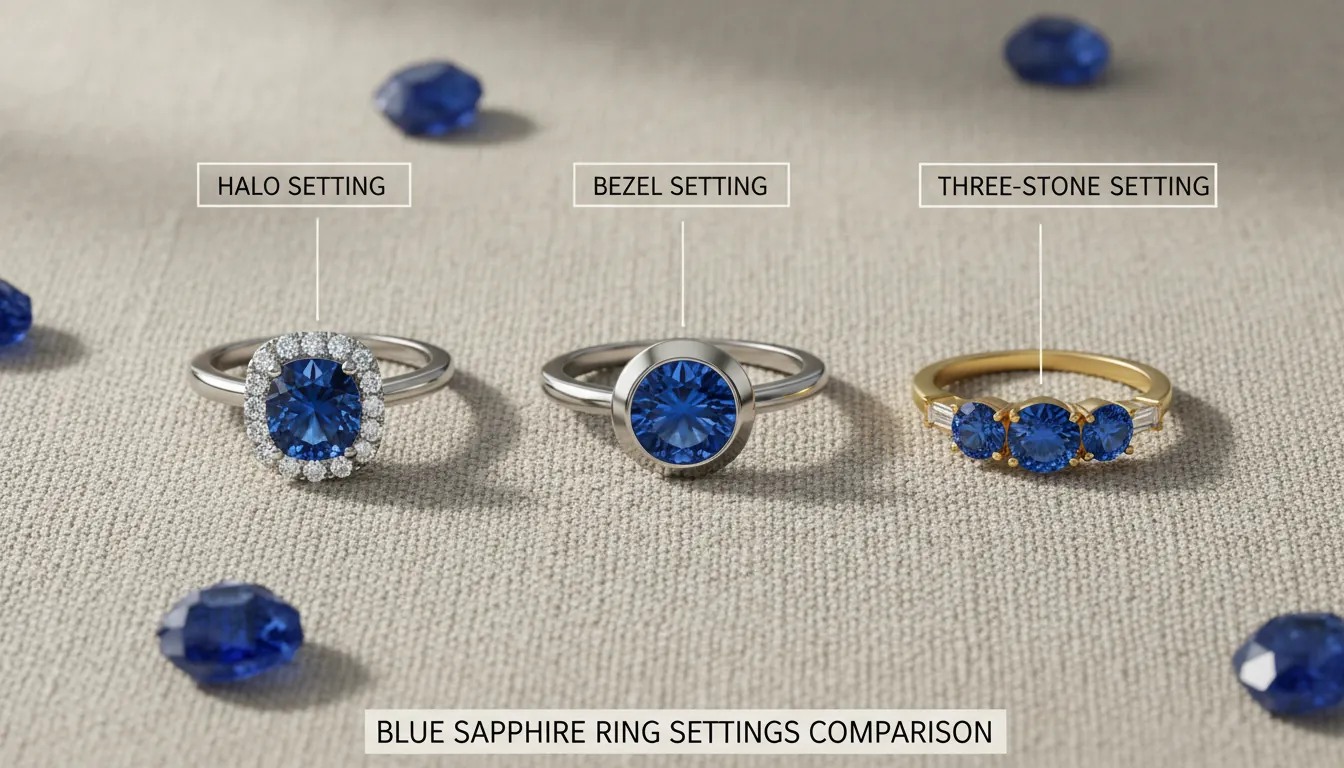
A well-chosen setting can elevate the stone and protect it for everyday life. In my experience, these styles consistently perform:
- Halo: Makes the center sapphire look larger; adds sparkle from diamonds or white stones.
- Three-stone: Balanced, classic, and great for symbolism (past/present/future).
- Bezel: Most secure; sleek modern look; great for active lifestyles.
- Cathedral or basket: Adds height and presence without feeling bulky.
Metal tip: If your sapphire is deep blue, yellow gold can warm it up and make it pop. White gold or platinum keeps the look crisp and icy.
A Quick Authenticity Checklist You Can Use in 60 Seconds
Before you click “Buy,” run this mental scan:
- The listing states natural vs lab-grown clearly.
- Treatment is disclosed (at minimum: heated/unheated).
- Photos show the sapphire in more than one lighting condition.
- Return policy is easy to find and not overly restrictive.
- There’s a credible path to proof (certificate, appraisal guidance, or lab report options).
If any of those are missing, you’re not “being picky.” You’re being smart.
Conclusion: The Right Jeweler Makes the Sapphire Feel Like Yours
A blue sapphire isn’t just a gemstone—it’s a story you’ll wear. The best blue sapphire jewelers help you find a stone that looks alive in real light, fits your lifestyle, and comes with clear, honest details you can trust. If you want your jewelry to carry meaning beyond the mirror, pair sapphire styling with natural gemstones that reflect your intention—and choose craftsmanship that will last.
📌 Invite readers to comment with their budget, preferred shade of blue, and whether they want natural heated vs unheated; offer to recommend setting styles and a matching StarryBead gemstone stack, and encourage sharing the guide with someone ring-shopping
FAQ: Blue Sapphire Jewelers
1) What should I look for in blue sapphire jewelers online?
Look for clear treatment disclosure, multi-lighting photos/videos, strong return policies, and proof options like lab reports or authenticity documentation.
2) Are heated blue sapphires “real” sapphires?
Yes—heat treatment is common and accepted, but reputable blue sapphire jewelers disclose it clearly and price accordingly.
3) Is an unheated blue sapphire worth it?
It can be, if rarity and collectability matter to you. If you mainly care about the look, a well-chosen heated sapphire may offer better value.
4) What setting is safest for a blue sapphire engagement ring?
Bezel and well-built basket settings tend to be most secure. If you choose prongs, prioritize sturdy construction and regular prong checks.
5) Why do two blue sapphires with the same carat weight look different in size?
Cut depth and shape change face-up size. Some stones carry weight in depth, making them look smaller from the top.
6) Should I buy a blue sapphire with a certificate?
For higher-value purchases, yes. A lab report can confirm identity and disclose treatments, helping protect you long-term.
7) How do I keep blue sapphire jewelry looking new?
Clean with mild soap, warm water, and a soft brush; avoid harsh chemicals. Have prongs inspected periodically—especially for daily-wear rings.