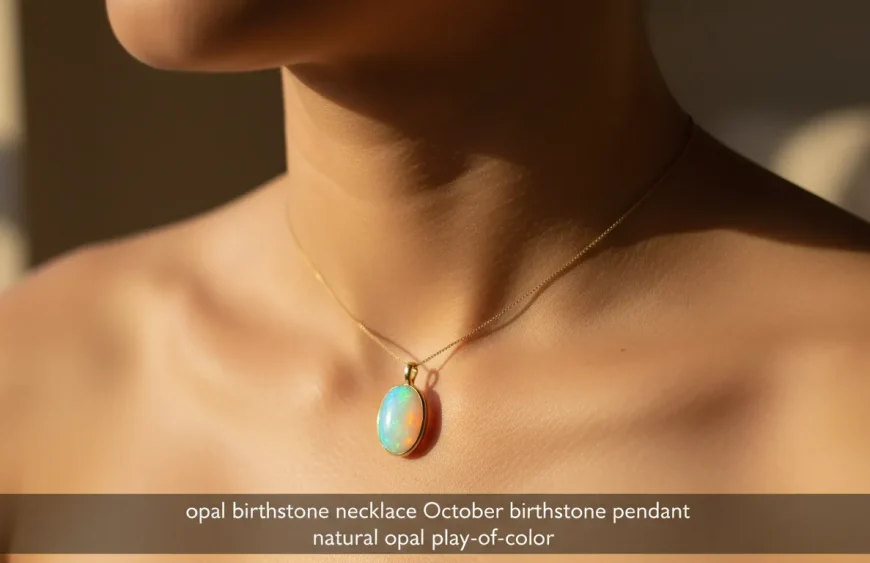
When an opal birthstone necklace catches the sun, it doesn’t just sparkle—it moves. I still remember unboxing my first opal pendant and thinking it looked like a tiny weather system: flashes of blue, green, and warm fire that changed every time I turned my neck. If you’re shopping for an October birthday, a self-love milestone, or a “new chapter” talisman, opal is one of the few stones that feels both fashion-forward and deeply personal. And when it’s set as a necklace, it stays close to your pulse—exactly where many people like to wear meaning.
This guide breaks down what opal symbolizes, how to choose the right opal birthstone necklace, how to tell natural vs created stones, and how to care for opal so it stays luminous for years.
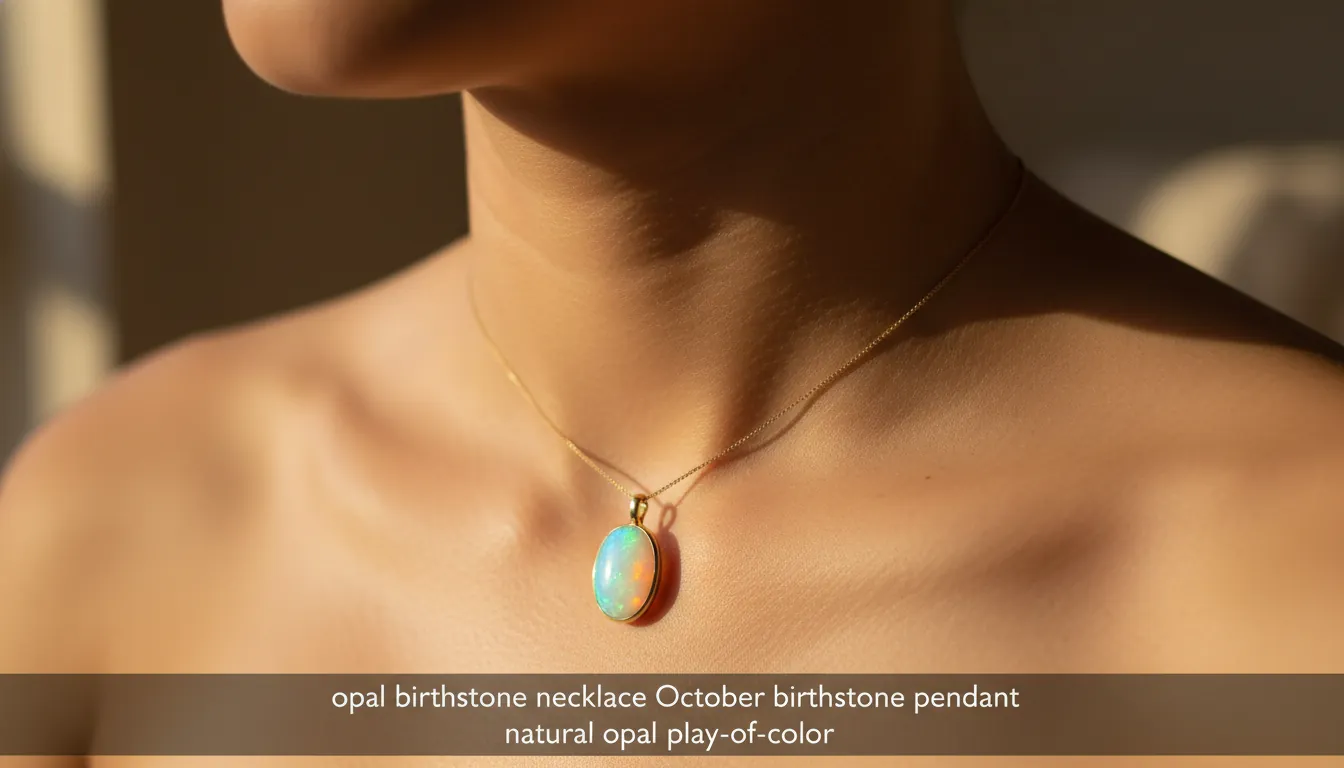
What an Opal Birthstone Necklace Represents (Beyond “October”)
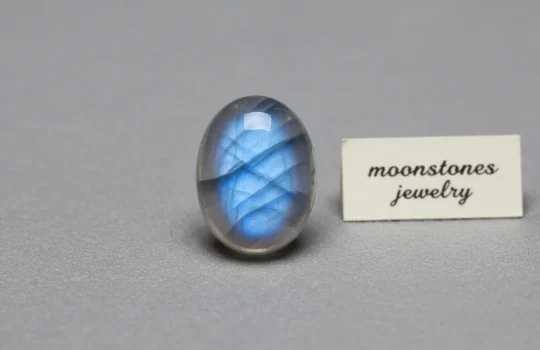
An opal birthstone necklace is best known as an October birthstone piece, but people choose opal for more than the calendar. Opal is widely associated with creativity, hope, and inspiration—ideas echoed by many mainstream jewelers and gemstone guides. The reason is easy to understand when you see one: opal’s shifting colors feel like imagination made visible.
From a wellness-jewelry lens (StarryBead’s world), opal is often worn as a “gentle amplifier”—a stone people reach for when they want their feelings to move, not get stuck. In my experience styling gemstone pieces for everyday wear, opal is the one customers keep touching unconsciously during stressful days, like a soft reset button.
To ground your expectations, it helps to read a traditional overview too—GIA’s opal education is a reliable starting point on opal properties, types, and care.
Types of Opal Used in Opal Birthstone Necklaces (And How They Look)
Not all opals are the same, and that’s where many shoppers get overwhelmed. Here are the common options you’ll see in an opal birthstone necklace listing:
- White opal: Milky base with soft rainbow flashes; classic “October opal” look.
- Black opal: Dark body tone that makes colors look more electric; often higher priced.
- Boulder opal: Opal formed with host rock; earthy, dramatic patterns.
- Fire opal: Orange-to-red body color; may or may not show strong color play.
- Ethiopian opal: Often very vivid; some can be more sensitive to water/lotions.
If you want a necklace that reads “quiet luxury,” white opal in a simple bezel setting does it. If you want maximum drama, black opal is your “night-sky” statement stone.
For a mainstream overview of what makes opal special (including its color-play), Zales’ opal guide is a helpful reference.
Natural vs Created Opal: What You’re Really Buying
Many top-ranking opal necklace collections include created (lab-grown) opal, and that’s not automatically a bad thing. The key is transparency and matching the stone to your priorities: budget, durability expectations, and how “rare” you want the gift to feel.
Natural opal (earth-formed)
Natural opal can be truly one-of-a-kind, with patterns you’ll never see repeated. With natural stones, asking for authenticity documentation matters—especially at higher price points.
Created opal (lab-grown/simulated)
Created opal is made to mimic the look of natural opal and is often more affordable and consistent in color. Some buyers prefer it because it can reduce pressure on mining. If you’re buying created opal, you want the product clearly labeled and priced accordingly.
If you’re considering ethical sourcing and documentation, it’s worth looking at how reputable sellers describe certificates and authenticity—see how brands emphasize authenticity standards like “certificate of authenticity” in collections similar to Black Star Opal’s opal birthstone jewelry.
| Opal Type | Typical Look | Best For | Durability Notes | Budget Range |
|---|---|---|---|---|
| White | Light/creamy base with pastel “play-of-color” | Classic birthstone style; everyday elegance | Softer stone—protect from knocks; avoid harsh cleaners | $–$$ |
| Black | Dark body tone with vivid, high-contrast color flashes | Statement pieces; maximum fire | Generally durable for opal, but still prone to scratching; wear with care | $$–$$$ |
| Boulder | Opal seams in ironstone; earthy browns with bright color | Organic, rugged designs; unique patterns | Ironstone backing adds toughness; still avoid hard impacts | $$–$$ |
| Ethiopian | Transparent to honey base; can show intense, shifting color | Bright “liquid” look; lighter, modern settings | Ethiopian: avoid soaking; can absorb water/oils and change appearance temporarily | $–$$ |
| Created | Lab-made opal with uniform, strong color | Consistent look; budget-friendly gifts | Created: consistent color, often lower cost; generally stable but can scratch like natural opal | $–$ |
How to Choose the Right Opal Birthstone Necklace (A Practical Checklist)
A beautiful opal birthstone necklace should fit your lifestyle, not just your Pinterest board. Here’s the checklist I use when helping customers choose:
-
Pick your “vibe” first
- Minimalist: small opal cabochon pendant, bezel set
- Romantic: heart or teardrop shape with a halo
- Modern: geometric bar or asymmetrical drop
-
Choose a setting that protects the stone
- Bezel settings (metal rim around opal) help shield edges
- Prong settings can look airy, but they expose the opal more
-
Select chain length for how you’ll wear it
- 16–18″: everyday, sits near collarbone
- 18–20″: layers well with other necklaces
- 20–24″: sits lower, great for pendants with presence
-
Decide what “meaning” you want to layer in
- Opal alone is powerful, but many people stack it with calming or grounding stones.
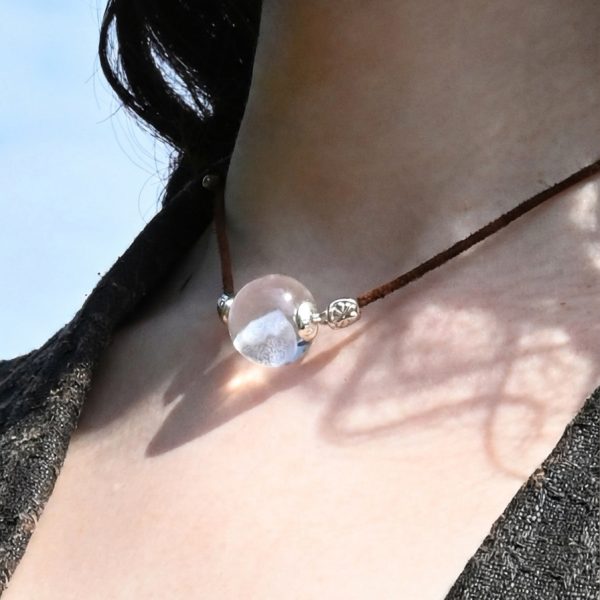
If you’re building a “wellness stack,” opal pairs beautifully with crystal staples like Clear Quartz (clarity) or Black Tourmaline (grounding)—both popular categories in the crystal jewelry world.
Styling an Opal Birthstone Necklace (So It Looks Intentional, Not Random)
An opal birthstone necklace is surprisingly easy to style because it carries multiple colors at once. The trick is to let it be the “light source” of your outfit.
- With neutrals (black, white, beige): opal becomes the focal point—effortless and elevated.
- With pastels: opal looks airy and romantic, especially in spring and summer.
- With jewel tones (emerald, navy, burgundy): opal flashes look richer and more dramatic.
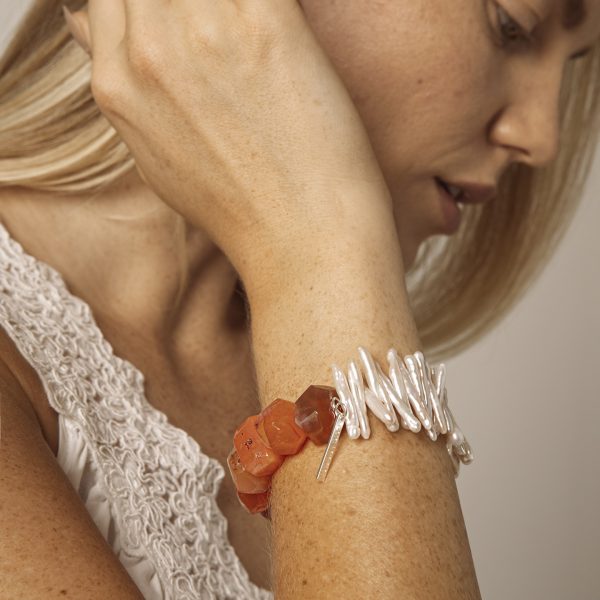
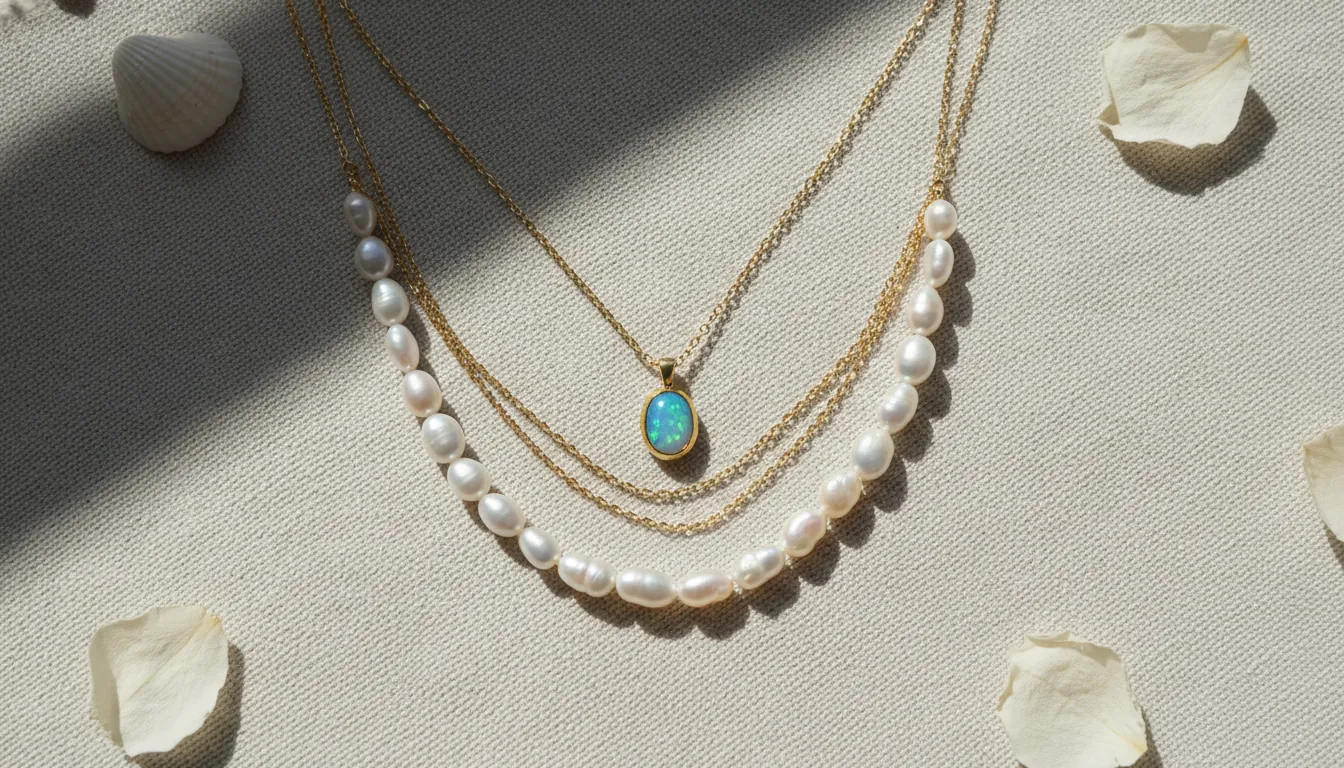
I’ve found opal looks best when you keep competing shine minimal—one opal pendant + small hoops, or opal studs + a thin chain. If you love layering, add one “texture” necklace (like pearls) and keep the rest simple.
Care Tips: Keep Your Opal Birthstone Necklace Glowing
Opal is not a “throw it in the gym bag” stone. It’s wearable, but it rewards gentle care.
- Avoid soaking your necklace (especially Ethiopian opal).
- Put jewelry on last: lotions, perfumes, and hairspray can dull shine over time.
- Store separately: opal can scratch if it rubs against harder gems or metals.
- Clean softly: lukewarm water, mild soap, soft cloth—no harsh chemicals.
For broader jewelry care basics from an authoritative source, GIA’s jewelry care guidance is a solid reference.
A StarryBead Way to Gift an Opal Birthstone Necklace (Make It Feel Like a Story)
A gift can be pretty, or it can be remembered. When I’ve helped people choose birthstone jewelry, the most successful gifts included a short message that told the receiver who they are becoming—not just what month they were born in.
Try pairing your opal birthstone necklace with a note like:
- “For the part of you that still believes in new beginnings.”
- “May you keep your spark, even on ordinary days.”
- “For creativity, courage, and the colors you bring into the room.”
If your brand offers authenticity certificates (as StarryBead does), include it in the unboxing experience. It quietly builds trust and makes the piece feel like a true keepsake, not just an accessory.
Opal Stone Buyers Guide: Prices, Different Species, How To Care For Your Ring & Identifying Fakes
Conclusion: Let the Opal Birthstone Necklace Be Your “Light-Carrying” Piece
An opal birthstone necklace is one of those rare jewelry choices that can read as trendy, timeless, and meaningful all at once. It’s perfect for October birthdays, but it’s just as fitting for reinvention seasons—new jobs, fresh starts, healed hearts, and brave decisions. I’ve worn opal on days I needed softness and on nights I wanted to feel magnetic, and it somehow fits both.
If you’re choosing one now, decide what you want it to say, then pick the opal type and setting that best protects your story.
📌 Shop StarryBead’s opal-inspired gemstone necklaces or message us for personalized styling help based on your birthday month, outfit palette, and wellness intention
FAQ: Opal Birthstone Necklace Questions People Also Search
1. What does an opal birthstone necklace mean?
It’s most associated with October and often symbolizes creativity, hope, and inspiration, with many wearers also valuing its “emotionally uplifting” feel.
2. Are opal birthstone necklaces good for everyday wear?
Yes, if the opal is protected (bezel setting helps) and you avoid harsh chemicals, soaking, and rough impact.
3. How can I tell if an opal necklace is natural or lab-created?
Check the listing language (“natural,” “created,” “lab-grown,” “simulated”) and ask for documentation. Reputable sellers clearly disclose the material.
4. Which opal color is best for an October birthstone necklace?
White opal is the classic look, black opal is the bold luxury option, and fire opal is great if you want warm orange tones.
5. Can I shower with my opal birthstone necklace?
It’s better not to. Water exposure plus soaps/shampoos can affect some opals over time, especially Ethiopian opals.
6. What chain length is best for an opal pendant?
Most people choose 16–18″ for everyday wear or 18–20″ for layering. Your neckline and layering preference matter most.
7. Is opal a good gift for someone who isn’t born in October?
Absolutely. Many people choose opal for its look and symbolism, not just the birth month.