Amethyst: The Complete Guide to Meaning, Value, Benefits, and How to Wear It (Without the Hype)
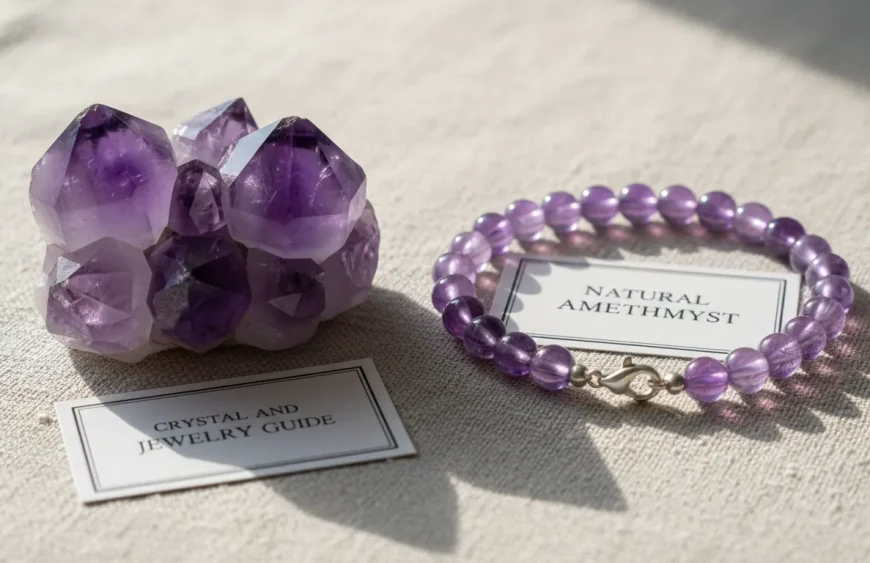
Amethyst has a way of finding you when your mind is loud and your calendar is louder. It’s the purple gemstone people reach for when they want calm, clarity, and a little protection from daily chaos—yet it’s also a serious quartz mineral with real gem-grade value. If you’re curious whether amethyst is “just pretty,” genuinely rare, or actually worth wearing every day, you’re in the right place. In this guide, we’ll cover amethyst meaning, how it forms, how to spot quality, how to avoid fakes, and how to style amethyst jewelry with intention.
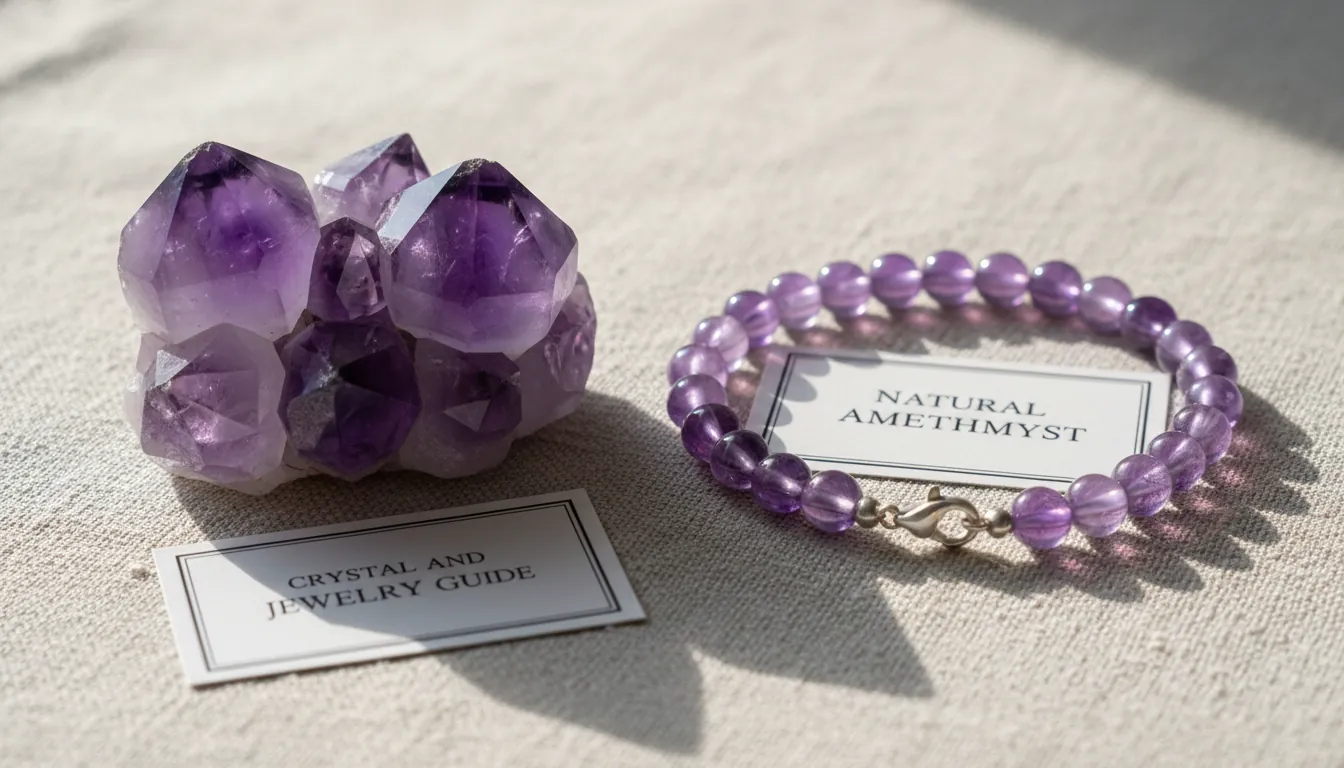
What Is Amethyst, Exactly?
Amethyst is the purple variety of quartz, prized for its color range from pale lilac to deep royal purple. Its signature hue comes from trace iron in the crystal lattice and natural radiation exposure over time, which alters the way the stone absorbs light. That “science story” matters because it explains why two amethysts can look totally different even if they’re both real.
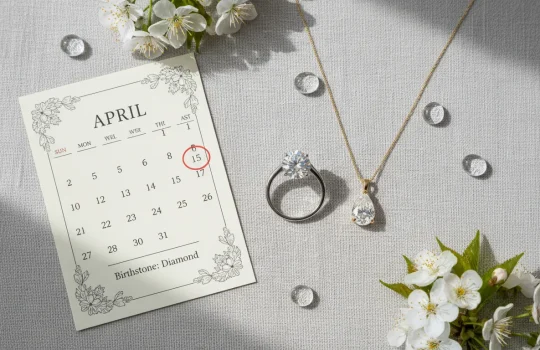
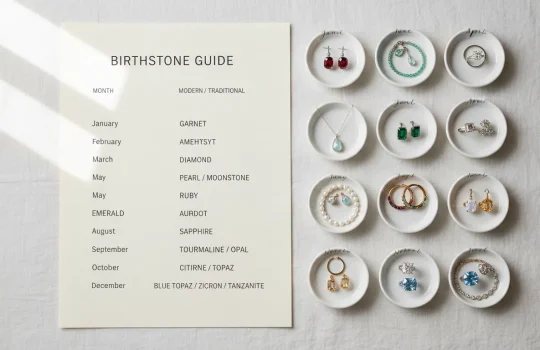
In jewelry, amethyst sits in a sweet spot: it’s durable enough for everyday wear and accessible enough that you can buy beautiful pieces without entering diamond-level pricing. It’s also the February birthstone, which keeps demand consistent year-round.
Quick facts (the practical stuff):
- Mineral: Quartz
- Color: Light lavender to deep purple (often with zoning)
- Wearability: Great for necklaces, earrings, bracelets; rings need mindful wear
Authoritative reference: GIA’s amethyst overview
Amethyst Meaning: Calm, Clarity, and “Clear-Headed” Energy
Amethyst meaning blends old-world symbolism with modern wellness culture. Historically, it was linked to staying clear-minded—Ancient Greeks and Romans associated it with avoiding intoxication and keeping your judgment sharp. Today, many people wear amethyst to support emotional balance and a calmer nervous system, especially during stressful seasons.
I’ve worn amethyst while traveling for work—airports, tight deadlines, too much screen time—and the biggest benefit wasn’t “magic.” It was the consistent ritual: touching the bead during a tense moment, taking one breath, and resetting. The stone became a cue for calm, which is a real behavioral advantage.
Common intentions people pair with amethyst:
- Emotional balance and grounding calm
- Mental clarity and focus
- Sleep-friendly, wind-down routines
- Spiritual practices like meditation and mindfulness
Historical context: American Gem Society—amethyst history
How Amethyst Forms (and Why Color Varies)
Amethyst forms in geodes and veins where silica-rich fluids crystallize into quartz. Over time, trace iron enters the structure, and natural radiation changes iron’s oxidation state—creating the purple color. Heat can shift or fade that color, which is why you’ll sometimes see amethyst turn yellowish (citrine-like) after treatment.
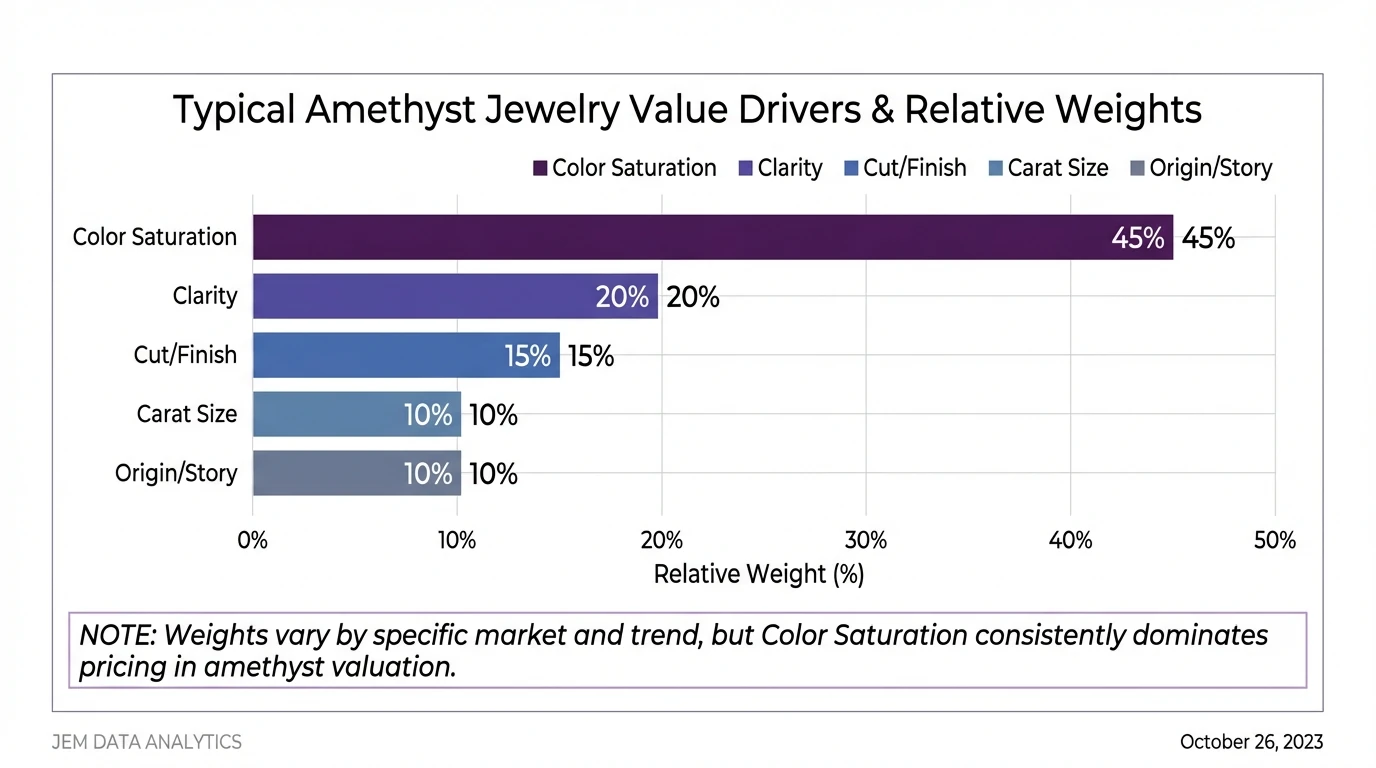
This matters for buyers: color is the primary value driver, but it’s also the most manipulated feature. Not all treatment is “bad,” yet you should know what you’re paying for and whether the seller is transparent.
Science perspective: Museum explanation of amethyst color and radiation
Amethyst Quality: What Makes One Stone Better Than Another?
When you’re shopping for amethyst, ignore the buzzwords and use a simple gem checklist. High-quality amethyst usually shows rich purple color, good transparency (for faceted gems), and minimal visible inclusions. For beads and cabochons, even color and clean polish matter more than microscopic perfection.
1) Color (the biggest factor)
Look for:
- Medium to medium-dark purple
- Subtle red or blue flashes (often called “royal” tone)
Avoid: - Washed-out lavender if you want a premium look
- Brownish or grayish purple unless you love earthy tones
2) Clarity and cut/polish
- Faceted stones should sparkle without looking cloudy.
- Beads should have consistent drilling and smooth edges.
- Inclusions can be normal; obvious cracks are not.
3) Size and design
Larger stones can be more expensive, but amethyst pricing doesn’t climb as aggressively as rare gems. Design quality—stringing, metalwork, secure clasps—often matters more than an extra millimeter of stone.
Real vs Fake Amethyst: The Most Common Issues (and How to Avoid Them)
Most “fake amethyst” problems fall into three buckets: glass, dyed quartz, or misleading labels. The safest route is buying from a brand that documents sourcing and authenticity (StarryBead includes certificates for 100% natural crystals and gemstones).
| Issue | What You’ll Notice | Likely Cause | What To Do |
|---|---|---|---|
| Too perfect uniform purple | Same tone throughout; no zoning or variation | Dyed/treated material or synthetic imitation | Compare photos in daylight; ask about treatments; buy from reputable jewelers |
| Color looks painted in cracks | Darker pigment settles in fissures/fractures | Dye seeped into cracks to enhance color | Request treatment disclosure; avoid if seller can’t confirm; request certificate |
| Very low price for “AAA” | “Top grade” claim but priced far below market | Misrepresentation (lower grade, treated, or fake) | Compare prices from reputable jewelers; request certificate; walk away if inconsistent |
| Stone feels unusually warm/light | Warms quickly in hand; feels lighter than expected | Glass/resin imitation or composite material | Ask for specific gravity/ID details; request certificate; purchase from established sellers |
| Seller won’t state treatment/authenticity | Vague answers; no documentation; refuses details | Unverified sourcing; potential treatments or counterfeit | Ask about treatments and origin; request certificate/return policy; buy from reputable jewelers |
Simple checks you can do at home:
- View in daylight: real amethyst often shows natural zoning or slight variation.
- Look at drill holes (beads): dye sometimes concentrates around holes.
- Ask direct questions: natural vs lab-grown, dyed vs untreated, return policy.
Industry buying guidance: International Gem Society’s amethyst buying guide
How to Wear Amethyst Jewelry (Wellness + Style)
Amethyst is versatile: it can read minimalist, romantic, or bold depending on metal choice and bead size. In fashion terms, purple acts like a “smart accent”—it lifts neutrals, complements denim, and plays well with soft pastels.
Everyday styling ideas
- Workday calm: small amethyst studs + a simple chain necklace
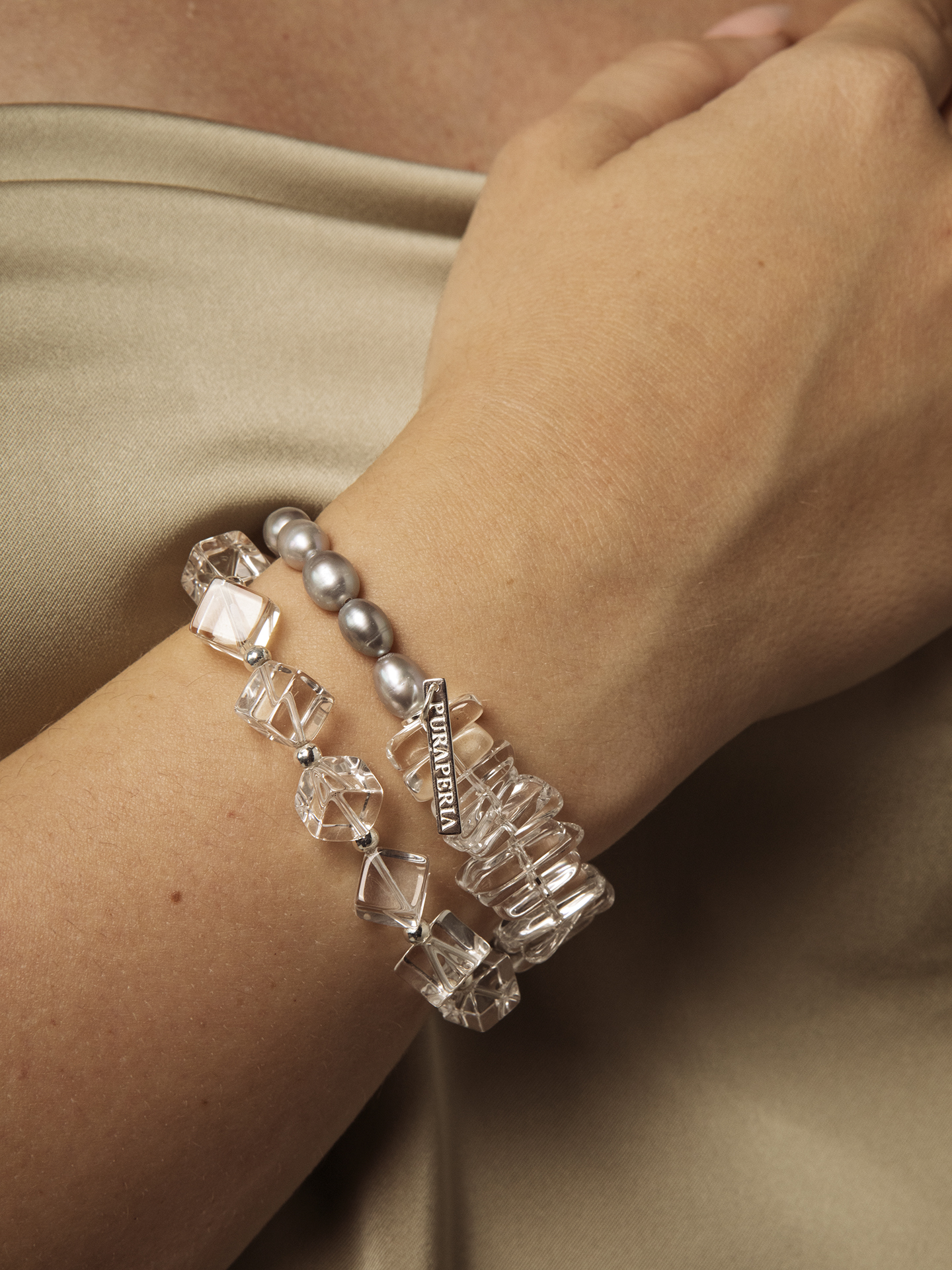
- Weekend ease: amethyst beaded bracelet stacked with Freshwater Pearl for contrast
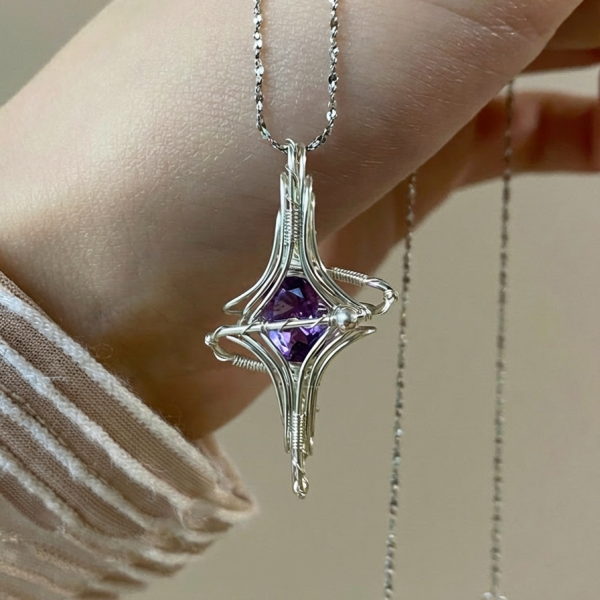
- Evening pop: a single amethyst pendant against black or deep green
Intention-based pairing (no fluff, just practical)
- Pair amethyst with Clear Quartz when you want a clean, bright look and “reset” vibe.
- Pair amethyst with Smoky Quartz for a moodier, grounded palette.
- Pair amethyst with Citrine when you want purple + warm gold energy in one outfit.
If you’re building a set, start with a bracelet or necklace—these pieces get the most touch-time, which helps if you use your jewelry as a calming habit cue.
Caring for Amethyst: Keep the Purple Beautiful
Amethyst is durable, but not invincible. Heat and prolonged strong sunlight can fade color over time, especially for lighter stones.
Care basics:
- Clean with lukewarm water, mild soap, and a soft cloth.
- Avoid ultrasonic cleaners if the stone has inclusions or fractures.
- Store separately to reduce scratching from harder stones.
- Don’t leave it on a sunny windowsill for weeks.
Why Amethyst Is a StarryBead Favorite
At StarryBead, amethyst fits the brand’s core promise: jewelry that tells a story while supporting emotional balance and grounded confidence. You get the visual impact of a classic gemstone, plus the day-to-day usability that makes it easy to actually wear—rather than keep in a drawer.
If you’re new to crystals, amethyst is a gentle starting point. If you’ve worn gemstones for years, amethyst is a timeless staple that still feels personal because every natural piece has its own shade and character.
Amethyst: Spiritual Meaning, Powers And Uses
Conclusion: Let Amethyst Be Your Quiet Reminder
Amethyst doesn’t need dramatic claims to be meaningful. It’s a real, beautiful quartz gemstone with a long history, a calming presence, and enough style range to fit almost any wardrobe. If you choose a natural amethyst piece you love—and you wear it consistently—you’ll get the best result: a personal ritual that makes you feel more centered every time you reach for it.
📌 Explore StarryBead’s natural amethyst jewelry collection and share in the comments how you plan to wear amethyst—daily calm, sleep routine, or your February birthstone piece.
FAQ About Amethyst
1) What is amethyst used for spiritually?
Many people use amethyst for calm, clarity, meditation support, and emotional balance, often as a wearable reminder to slow down and reset.
2) Is amethyst a real gemstone or just quartz?
Amethyst is the purple variety of quartz and is considered a genuine gemstone used widely in fine and fashion jewelry.
3) How can you tell if amethyst is real?
Check color behavior in daylight, look for overly uniform purple, inspect bead holes for dye, and buy from sellers who provide authenticity documentation and clear return policies.
4) Does amethyst fade in sunlight?
It can. Prolonged strong sunlight and heat may fade color, especially in lighter amethyst.
5) What is the best color of amethyst?
Generally, medium to medium-dark saturated purple with subtle red or blue flashes is most valued, but “best” also depends on your style.
6) Is amethyst okay to wear every day?
Yes. Amethyst is suitable for daily wear, especially in necklaces and bracelets; rings just require more care to avoid knocks.
7) What does amethyst mean as a February birthstone?
It’s traditionally associated with clear-headedness and calm, and it’s a classic, meaningful gift for February birthdays.