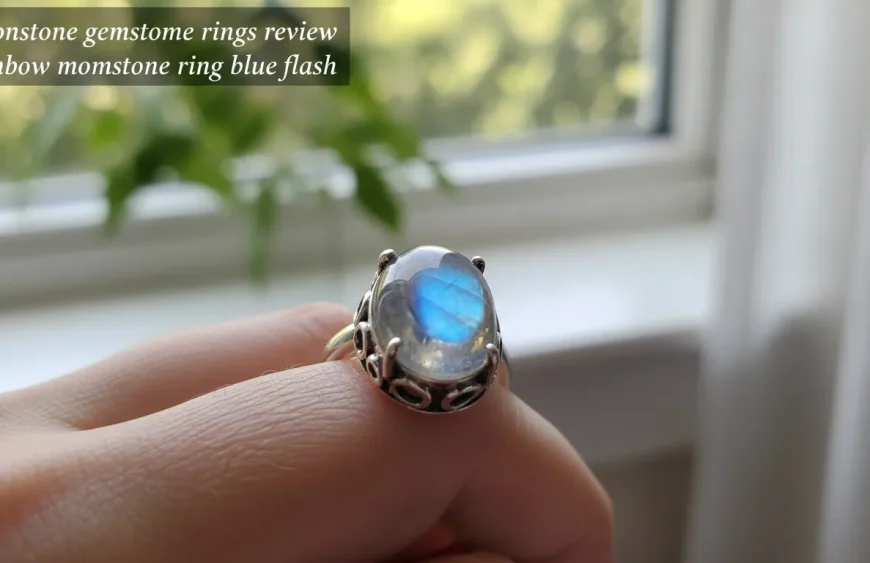
A moonstone gemstone ring is the kind of jewelry that looks quiet—until it catches light and suddenly moves. The first time I wore one to a morning meeting, the soft blue flash (that “floating glow”) made three people stop mid-sentence to ask what stone it was. That’s the moonstone effect: subtle, romantic, and surprisingly expressive. But moonstone is also a little fragile and often imitated, so buying the right ring matters.

What This Review Covers (and who it’s for)
If you’re shopping for moonstone gemstone rings for everyday wear, a promise ring, or even an engagement-style setting, this review is built to help you avoid the common traps. I’ll cover what quality looks like, which styles last longer, fair pricing ranges, and the red flags I see most in online listings. You’ll also get a simple checklist you can use before you click “Buy.”
To keep it practical, I’m reviewing moonstone rings the way a careful buyer would: stone behavior, setting security, metal choices, care needs, and seller transparency. Moonstone is typically Mohs 6–6.5, which is wearable—but not “set it and forget it” like sapphire.
Quick refresher: What makes moonstone “moonstone”?
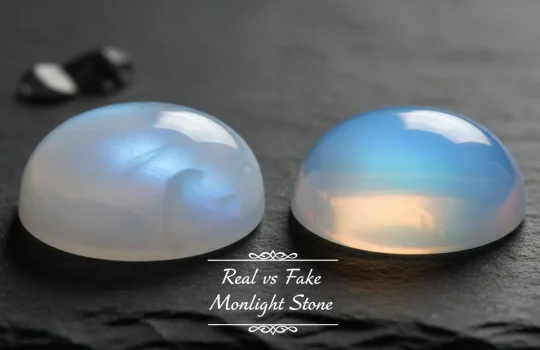
Moonstone is prized for adularescence—a shifting glow that looks like light rolling under the surface. The best stones show a clear, centered sheen (often blue) that appears to glide as you tilt the ring. In many listings you’ll also see “rainbow moonstone,” which in the trade is often white labradorite; it can still be beautiful, but it’s worth knowing what you’re buying.
Moonstone is also the June birthstone, which is why you’ll see it positioned as a meaningful gift and a romantic alternative to diamonds. Many wellness-focused brands connect moonstone with intuition and emotional balance; treat those as personal beliefs, not medical claims.
What is a Bezel-Prong Setting? | Finding Your Engagement Ring Style
Best Picks: Moonstone ring styles that actually hold up
Not all designs protect the stone equally. If you want moonstone gemstone rings you can wear often, prioritize settings that guard edges and reduce knocks.
1) Bezel settings (best for daily wear)
A bezel wraps metal around the stone’s perimeter, protecting moonstone’s softer surface and edges. In my experience, this is the setting most likely to stay beautiful after months of handwashing, bag-grabbing, and desk work.
- Best for: daily wear, active hands, stacking
- Watch for: overly thick bezels that block too much light (can mute the glow)
2) Low-profile prongs (best balance of sparkle + protection)
Prongs let in maximum light, which helps moonstone’s glow look lively. For moonstone, I prefer more prongs (or claw prongs) and a lower-set stone; high crowns chip easier.
- Best for: classic looks, engagement-style rings, oval/pear cuts
- Watch for: tall “cathedral” settings without protection at the stone’s corners
3) Halo or cluster designs (prettiest “insurance policy”)
A halo can act like a bumper. Even tiny accent stones or metalwork can reduce direct impact to the moonstone.
- Best for: statement rings, vintage-inspired designs
- Watch for: micro-pavé with weak craftsmanship (stones falling out)

Red Flags: How people get burned buying moonstone rings online
Moonstone is popular, which means it’s also frequently misrepresented. These are the biggest warning signs I’d treat as a “pause and verify” moment.
-
Only one perfect photo, no video, no movement
- Moonstone must be shown tilting to prove adularescence. Static images can hide dull stones or glass.
-
“Genuine moonstone” but no mention of treatments
- Ask if it’s coated, stabilized, or dyed. A reputable seller will answer clearly.
-
No clarity about what “rainbow moonstone” means
- Many sellers use “rainbow moonstone” for labradorite. Not necessarily bad—just should be disclosed accurately.
-
High dome + thin prongs
- Looks dreamy in photos, chips in real life. Moonstone needs protection.
-
No return policy or vague warranty
- With softer stones, a reasonable return window and repair pathway is a trust signal.
Price reality check: What you should expect to pay
Pricing varies wildly—from budget silver rings to fine jewelry with diamonds. The spread is normal because moonstone quality and metal type change the cost fast.

In the market, you’ll find:
- Affordable sterling silver moonstone rings (often under ~$200)
- Mid-range gold moonstone rings (often ~$300–$900)
- Premium rings with diamond accents and fine craftsmanship (often $1,000+)
For context on mainstream gemstone ring pricing and settings, see guides from GIA and retailer education pages like Blue Nile’s jewelry education. For a broader ethical-shopping lens, I also like how The Good Trade frames alternatives and sourcing questions.
Stone quality checklist (the part most reviews skip)
When I evaluate moonstone gemstone rings, I look at five things in order—because they predict how the ring will look after the honeymoon phase.
1) Adularescence strength and placement
- Stronger is better, but it should also be even and centered
- If the glow only appears at one extreme angle, it can read “dead” most of the day
2) Transparency and body color
- Fine moonstone often looks semi-transparent with a clean body
- Too cloudy can look flat (unless you specifically want a misty, ethereal vibe)
3) Surface condition
Moonstone can show surface-reaching features. Small inclusions are normal, but:
- Avoid stones with obvious surface scratches in listing photos
- Avoid chips around edges (common in poorly set pears/marquise)
4) Cut shape that suits your lifestyle
- Ovals and rounds generally wear safer
- Pears and marquise look stunning but have vulnerable tips—choose protective prongs or bezel
5) Ring size and comfort
A ring that spins will get knocked more. If you’re between sizes, sizing beads or a slightly wider band can help.
Settings & metals: what I recommend (and why)
Metal choice isn’t just aesthetic; it changes durability and maintenance.
- Sterling silver: bright, affordable, pairs beautifully with moonstone’s cool glow; needs occasional polishing.
- 14k gold: sturdier for prongs and daily wear; higher cost but often worth it for security.
- Rose gold: makes moonstone look warmer and more romantic; great for vintage vibes.
If you want a “wear it constantly” moonstone ring, I’d pick: 14k gold + bezel or 14k gold + low profile prongs. For occasional wear or a budget-friendly option: sterling silver bezel is usually the safest bet.
| Option | Best For | Pros | Cons | What to Check Before Buying |
|---|---|---|---|---|
| Sterling Silver Bezel | Daily wear, active lifestyles | Most secure setting; smooth edges; good protection for softer moonstone | Less light entry than prongs; can look bulkier; silver may tarnish | Verify adularescence via video; check bezel lip isn’t covering too much of the face; confirm return policy |
| Sterling Silver Prong | Maximum sparkle on a budget | More light exposure; classic look; easier cleaning | Prongs can snag/bend; higher risk of stone loss; needs maintenance | Check prong thickness and symmetry; ensure prongs cover the girdle properly; verify adularescence via video; confirm return policy |
| 14k Gold Bezel | Long-term heirloom, low maintenance | Durable; secure; warm tone complements moonstone; less tarnish | Higher cost; bezel can reduce “glow” if too high | Verify adularescence via video; confirm karat stamp/metal type; check bezel height and comfort; confirm return policy |
| 14k Gold Prong | Fine jewelry, elevated look | Bright, open setting; durable gold; easy resizing (often) | Still snag-prone; prong maintenance over time; prong repairs cost more | Check prong thickness and tip coverage; verify adularescence via video; confirm resizing eligibility and return policy |
| Halo/Cluster Designs | Extra sparkle, statement rings | Makes center stone look larger; adds brilliance; hides slight inclusions | Harder to clean; many small stones/prongs to maintain; can overwhelm moonstone | Confirm accent stone type/quality and secure settings; verify adularescence via video; confirm return policy and warranty for melee stones |
| Adjustable Rings | Gifts, fluctuating finger size | Flexible sizing; often more affordable; easy fit | Less structural strength; may deform; can loosen stone over time | Check band gauge/thickness and how adjustment is made; avoid excessive open gaps near setting; verify adularescence via video; confirm return policy |
StarryBead take: where the brand fits (wellness + craftsmanship)
StarryBead sits in a specific lane: handcrafted jewelry that blends fashion with a wellness narrative (emotional balance, clarity, grounded confidence). If you’re drawn to moonstone for meaning as much as aesthetics, that brand positioning makes sense—especially when authenticity is supported with certificates and responsive support.
What I look for in brands like StarryBead is alignment between story and proof:
- Clear gemstone authenticity practices (certificates, transparent naming)
- Solid craftsmanship photos (prongs, bezels, band thickness)
- Customer-first policies (fast support, fair returns, realistic care instructions)
If you’re browsing within StarryBead’s wider catalog, you might also like pairing moonstone with complementary stones for an intentional stack—think Clear Quartz (clean, bright), Amethyst (calm tones), or Aquamarine (cool, airy palette). The key is to ensure the moonstone remains protected, because it will be the most impact-sensitive stone in the stack.
Care tips that keep moonstone looking “alive”
Moonstone’s glow is a surface-and-light phenomenon, so caring for the surface is everything.
- Clean with mild soap + lukewarm water + a soft brush.
- Avoid ultrasonic cleaners and harsh chemicals.
- Take it off for gym sessions, gardening, and heavy lifting.
- Store it separately to prevent scratches from harder stones.
If a seller claims “wear it anywhere, never worry,” that’s marketing—not stone science.
Conclusion: The ring that whispers—until it shines
Moonstone gemstone rings are for people who like meaning you can see: a glow that shifts with your mood, your movement, your day. I’ve found the best ones don’t just look magical on arrival—they’re designed to survive real life, with protective settings and honest stone presentation. Choose a strong, centered adularescence, pair it with a secure setting, and buy from a seller who shows the stone in motion and stands behind the purchase.
If you’re shopping now, tell me what style you’re leaning toward (bezel, prong, halo, or vintage). I’ll help you sanity-check the listing and spot any red flags before you buy.
FAQ: Moonstone gemstone rings
1) Are moonstone gemstone rings good for everyday wear?
They can be, but choose a bezel or low-profile protective setting and avoid rough activities because moonstone is Mohs 6–6.5.
2) What does “blue flash” mean in moonstone?
It refers to adularescence—an internal glow that appears to float across the stone when tilted under light.
3) Is “rainbow moonstone” the same as moonstone?
Not always. “Rainbow moonstone” is commonly used for white labradorite in the jewelry trade; ask the seller for accurate labeling.
4) What’s the best metal for a moonstone ring?
14k gold is excellent for prong security and daily wear. Sterling silver is budget-friendly and beautiful but may need more maintenance.
5) Do moonstone rings scratch easily?
Compared with harder stones, yes. They can scratch or chip if knocked, especially in high settings with thin prongs.
6) How can I tell if a moonstone ring listing is legit?
Look for tilt photos/video showing adularescence, clear material disclosure, close-ups of prongs/bezels, and a real return policy. For broader gem education, reference GIA.
7) Are moonstone engagement rings practical?
They’re romantic and unique, but they require more care than diamonds or sapphires. A protective setting (bezel/halo) is strongly recommended.