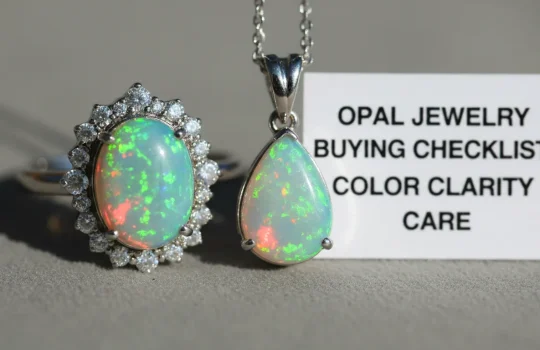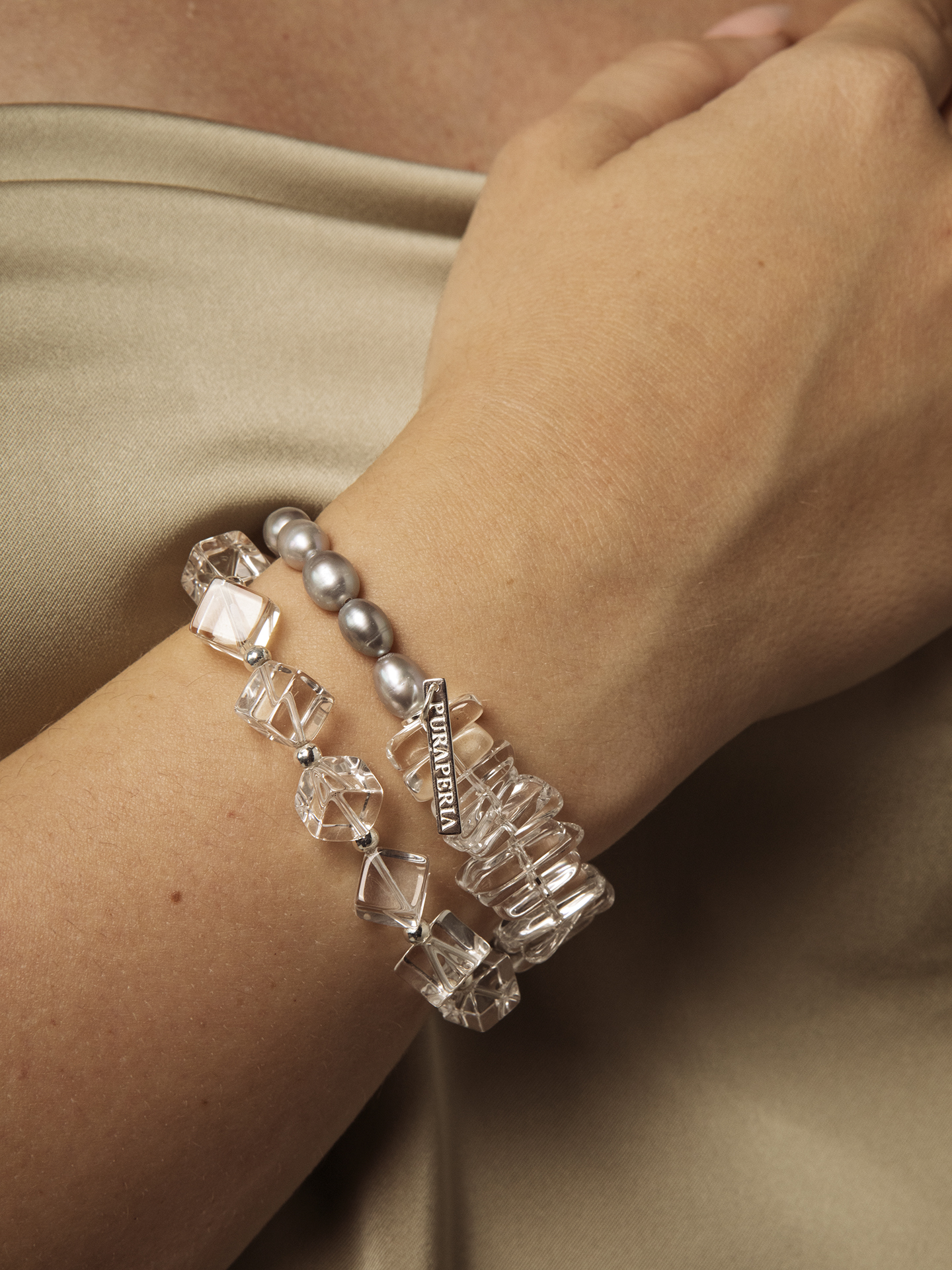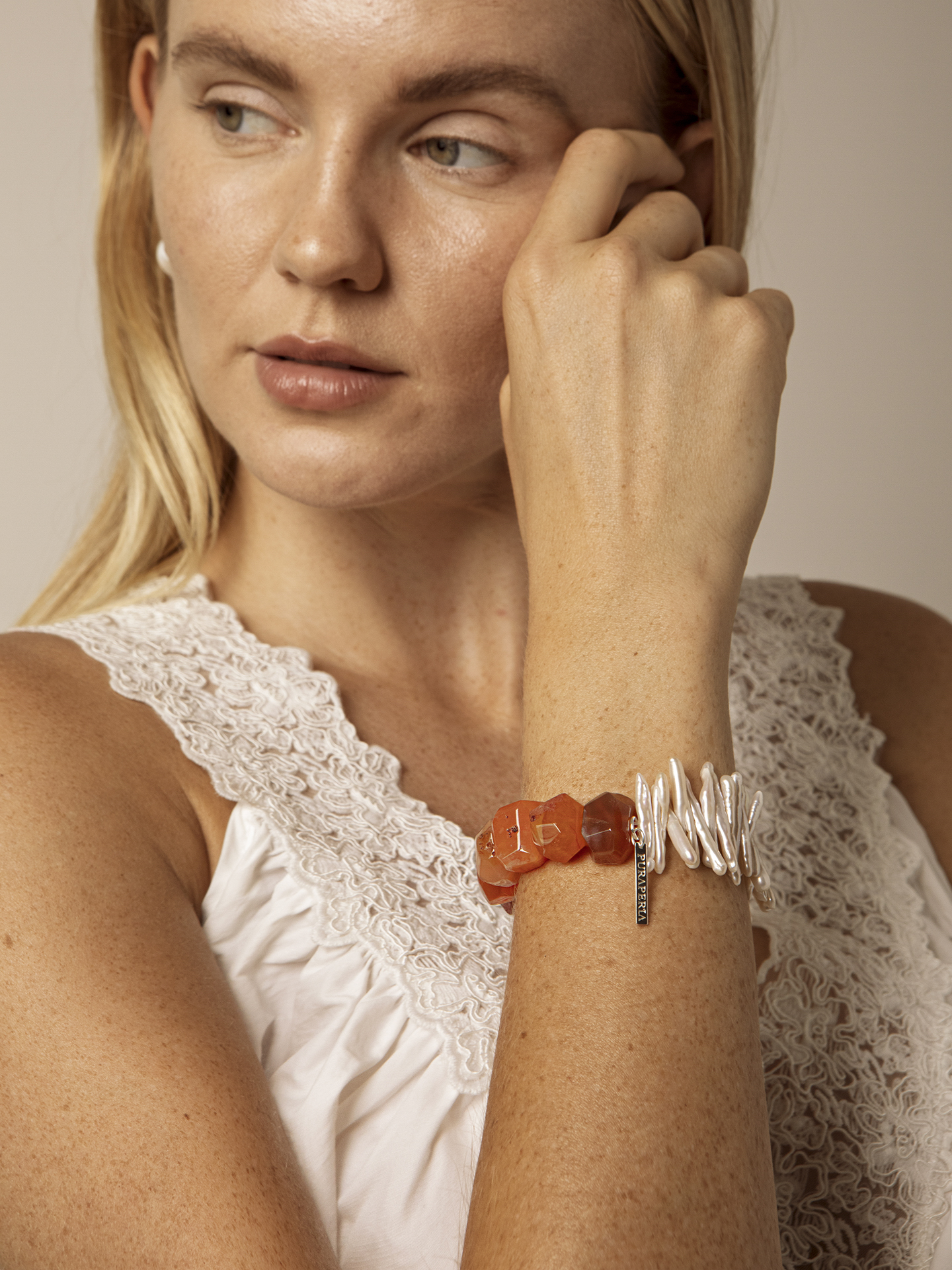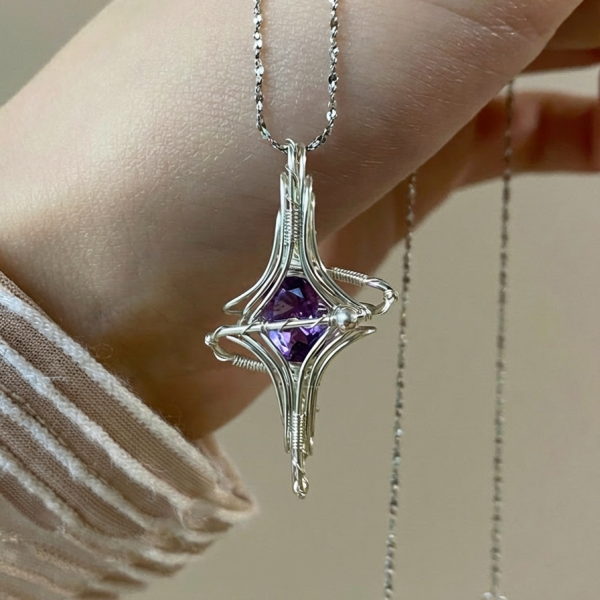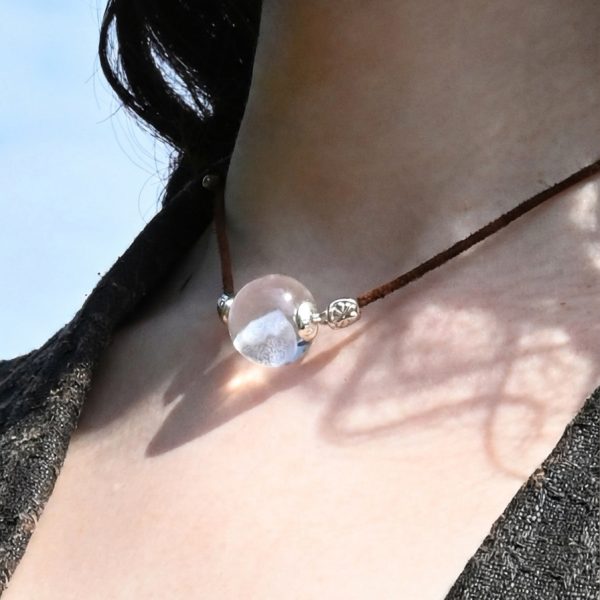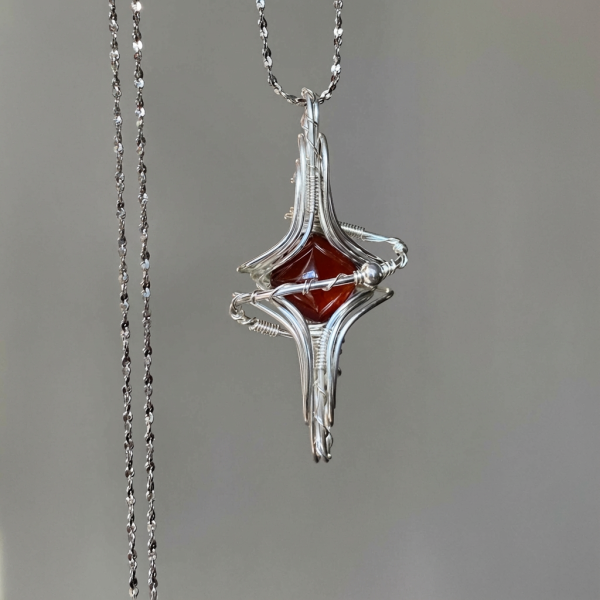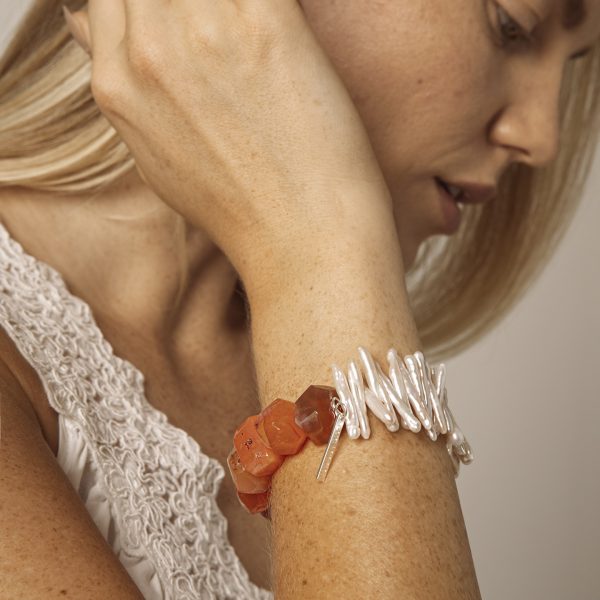
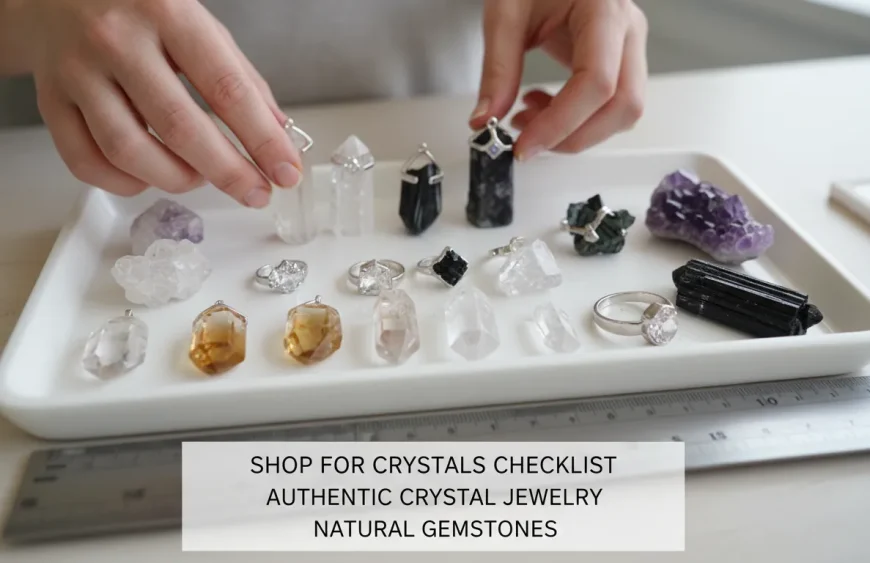
You’re standing in front of a shimmering tray—citrine catching the light like bottled sunshine, smoky quartz looking calm and serious, amethyst glowing like dusk. Your fingers hover, and the same quiet question rises: Is this the right one… and is it real? If you want to shop for crystals with confidence (not confusion), this checklist will keep you grounded—whether you’re buying a single stone, a bracelet you’ll wear daily, or a gift that needs to feel meaningful.

The 12 questions (use this before you hit “Add to cart”)
1) Why am I shopping for crystals—style, meaning, or both?
When I first started to shop for crystals, I bought based on color alone—and ended up with pieces I rarely wore. Now I start with a simple “why”: everyday confidence, calm focus, a milestone gift, or just a design that matches my wardrobe. Intention doesn’t have to be mystical; it can be practical: “I want something I’ll reach for on hard days.” If you want a no-hype approach, StarryBead’s guide on Crystals, Explained: How to Choose, Wear, and Care for Natural Stones (Without the Hype) is a solid starting point.
- Quick prompt: “I’m buying this for ______.”
- If it’s a gift: “I want the wearer to feel ______.”
2) What exactly am I buying: raw stone, tumbled, bead, or finished jewelry?
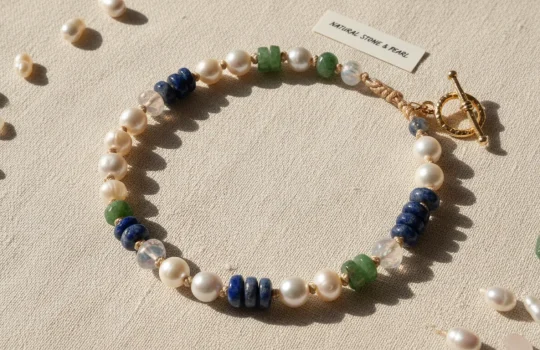
This matters more than most people think. A raw cluster and a polished bead can be the same mineral but look (and wear) totally different. For jewelry, check whether you’re buying a natural crystal bead, a plated charm, or a composite material.
- Raw/rough: more texture, less uniform, often better for display pieces
- Tumbled: smooth and pocket-friendly
- Beads: consistency matters for matching and durability
- Finished jewelry: craftsmanship is part of the value, not “extra”
3) Is the seller reputable—and can I contact them easily?
A key “green flag” when you shop for crystals online: clear policies and easy contact. Reputable sellers typically provide terms, returns, and a way to reach a real human—because they expect questions. This aligns with common guidance from crystal retail experts who stress checking policies, transparency, and responsiveness before buying online.
- Look for: returns policy, FAQs, support email/chat, business address (or at least clear brand identity)
- Avoid: vague listings, pressure tactics, “DM for wholesale prices” pitches
For broader safety and claims guidance, read Crystals and Healing FAQ: What Works, What’s Safe, What’s Hy.
4) Do the photos show the actual item from multiple angles?
If the listing uses one heavily filtered shot, you’re buying a vibe—not a crystal. Better listings show multiple angles, close-ups, and scale references (coin, ruler, on-hand photo). This is one of the simplest ways to reduce disappointment when you shop for crystals online.
- Must-have: front/back/side views + size reference
- Nice-to-have: video clip in natural light
- Red flag: stock photos only
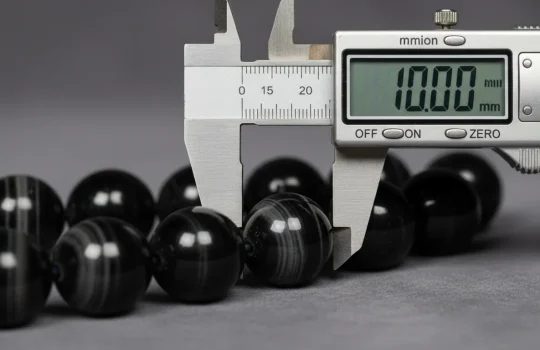
5) Are size and weight stated clearly (in mm/inches and grams)?
Crystals are notorious for looking huge in close-ups. If you’re buying jewelry, millimeters matter: bead size changes the whole feel on wrist/neck. I’ve returned items before simply because I didn’t check dimensions—an easy mistake when you shop for crystals late at night.
- Bracelets: note bead size (e.g., 6mm vs 10mm) and wrist fit range
- Necklaces: check chain length and pendant drop
- Rings: check band size and stone height (snag risk)
6) Is it natural—and what treatments or enhancements were used?
“Natural” can still include treatments. The honest question isn’t “Is it perfect?” but “Is it disclosed?” Responsible sellers will tell you if stones are dyed, heat-treated, stabilized, or reconstituted.
- Ask directly: “Is this untreated? If treated, how?”
- Red flag: “100% natural” claims with zero details
If you’re specifically eyeing citrine, this deep dive helps you spot common issues: Citrine 101: Color, Origins, and How to Spot Fakes.
7) Does it look believably imperfect?
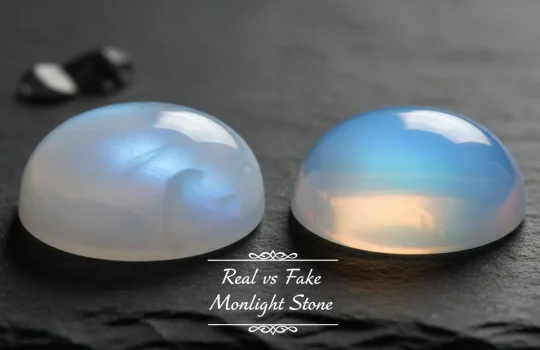
Nature rarely does “factory-perfect.” Ultra-uniform color, identical patterning, and flawless symmetry can signal dye, glass, or synthetic material. Authentic crystals often show inclusions, subtle zoning, and irregularities—especially in beads and cabochons.
- Green flags: tiny natural inclusions, slight color variation, minor texture differences
- Red flags: perfectly identical beads across the entire strand with “too perfect” color
8) Do I have a simple authenticity check plan (without damaging it)?
You don’t need to play scientist, but you should have a plan. Some guides mention hardness checks (Mohs scale) and scratch testing—yet be careful: you can damage real stones if you test the wrong way. My safer method when I shop for crystals is to rely on: reputable seller + clear disclosure + realistic photos + documentation for higher-value pieces.
- Low-risk checks:
- Compare weight/feel (glass often feels “off” for size)
- Look for dye pooling in cracks or drill holes
- Check for bubbles (common in glass)
- If in doubt: request additional photos in natural light
For gem grading basics, the “Four Cs” framework (color, clarity, cut, carat) is widely used in the jewelry industry, and clarity is evaluated using standardized methods under magnification (e.g., 10× for transparent gems). You can learn more from the GIA (Gemological Institute of America) and clarity explainers like Sosna Gems’ clarity grades overview.
9) Is the sourcing ethical—and does the brand explain their approach?
Ethical sourcing isn’t a buzzword; it’s a set of choices: traceability, worker conditions, environmental impact, and transparency. When you shop for crystals, look for a sourcing statement that’s more than “ethically sourced” stamped on a banner. The most credible approaches explain relationships with mines/lapidaries/wholesalers and how the seller evaluates risk.
- Ask: “Do you know the country of origin? Any traceability info?”
- Prefer: brands that share sourcing standards (even when imperfect)
For a detailed example of ethical traceability practices, see Moonrise Crystals’ Ethical Crystal Standards.
10) Is the price realistic for the type, quality, and craftsmanship?
“Too good to be true” pricing is a classic trap—especially in mass marketplaces. High-end retail can also inflate prices for branding rather than quality. A fair price reflects material authenticity, grade/appearance, labor, and brand service (support, returns, packaging).
- Compare within the same category (e.g., natural bead bracelet vs plated fashion bracelet)
- Look for transparency: what you’re paying for should be clear

11) Will this crystal fit my lifestyle (durability, water, skin sensitivity)?
The crystal you love has to survive your real life. If you wash hands often, work out, or have sensitive skin, pick settings and stones accordingly. In my own wear tests, polished stones in secure settings (plus quality metal findings) last far longer than delicate glue-based mounts.
- If you’re rough on jewelry: choose sturdier stones + protective settings
- If you’re water-exposed: remove before shower/swim; some stones and metals don’t love moisture
- If you’re sensitive: check metal type (sterling, gold-filled, etc.)
12) What’s the aftercare plan (cleansing, storage, repairs, returns)?
A trustworthy crystal purchase comes with a “what if” plan: returns if it’s not as described, and care instructions so it stays beautiful. Store pieces separately to avoid scratches, and keep documentation (receipts/certificates) for higher-value items.
- Confirm: return window, condition requirements, who pays return shipping
- Care basics: soft pouch, avoid harsh cleaners, avoid impact
- Repairs: ask if restringing/maintenance is offered
Quick comparison: where to shop for crystals (and what to ask)
| Where you shop for crystals | Best for | What to ask | Biggest risk |
|---|---|---|---|
| Local metaphysical/crystal shop | Seeing pieces in person, browsing | “Is this treated or dyed?” “Where is it from?” | Inconsistent pricing and sourcing info |
| Independent online crystal retailer | Variety + specialization | “Are photos of the exact item?” “What’s the return policy?” | Photos that hide flaws or size |
| Gem shows/expos | Deals, rare specimens, direct info | “Can you confirm treatments/origin?” | Overwhelm + impulse buys |
| Large marketplaces | Convenience | “Is this stock photo?” “Any certification?” | Mislabeling and fakes |
| Established jewelry brand (with certificates) | Wearable design + documentation | “Do you provide authenticity certificates?” | Paying more for design/service (often worth it if disclosed) |
4 Steps to Source Ethical, High Quality Crystals
A mini “add-to-cart” checklist (save this)
Before you shop for crystals and check out, confirm:
- Purpose is clear (style, gift, meaning, or all three)
- Photos show the actual item + size reference
- Dimensions and materials are listed (mm, inches, grams if relevant)
- Treatments are disclosed (or seller confirms none)
- Ethical sourcing statement exists (and isn’t vague)
- Returns are clear and reachable support is available
Conclusion: buy the crystal you’ll actually wear
The best moment in crystal shopping isn’t the unboxing—it’s the Tuesday you reach for the piece without thinking, because it feels like you. When you shop for crystals with these 12 questions, you’re not just avoiding fakes or bad listings—you’re choosing something that fits your body, your budget, and your beliefs without the pressure or hype. If you’re exploring wearable stones like citrine, clear quartz, amethyst, aquamarine, kyanite, or black tourmaline, prioritize transparency and craftsmanship so the piece can become part of your daily rhythm.
FAQ: people also ask when they shop for crystals
1) What should I look for when I shop for crystals online?
Look for reputable sellers, multiple unfiltered photos, clear sizing, treatment disclosures, and a fair returns policy.
2) How can I tell if a crystal is real before buying?
You can’t fully confirm from a photo, but you can reduce risk by checking transparency in descriptions, realistic imperfections, multiple angles, and seller reputation.
3) Are “perfect” crystals a red flag?
Sometimes. Extremely uniform color and flawless symmetry can indicate dye, glass, or synthetic stones—though some natural stones can still look very clean.
4) What questions should I ask a crystal seller?
Ask about treatments (dyed/heat-treated), origin, whether photos show the exact item, and what documentation or certificates are provided.
5) Is it safer to shop for crystals in person or online?
In person helps you inspect texture/weight and see color in real light. Online can be safe if the seller is transparent, reputable, and offers returns.
6) What does ethical sourcing mean for crystals?
It generally includes traceability efforts, fair worker treatment, and reduced environmental harm—plus honest communication about what’s known and unknown.
7) Do crystals have to be expensive to be authentic?
No. Many authentic crystals are affordable. Price should match the material, quality, craftsmanship, and the seller’s service—not just marketing.