A few summers ago, I watched a customer pick up an aquamarine bracelet and instantly unclench her shoulders—like her body remembered how to breathe near water. That’s the strange, quiet magic of aquamarine: it looks like a calm tide, and it wears like one too. But if you’re shopping for aquamarine—whether for wellness, fashion, or a March birthstone gift—you’ll run into confusing questions fast: Is aquamarine always pale? Why are some stones “too blue”? Is heat treatment bad? And how do you know it’s real?
This guide breaks down aquamarine meaning, gemstone facts, value, and how to buy authentic aquamarine jewelry—especially if you’re choosing handcrafted pieces meant to feel as good as they look.
What Is Aquamarine? (Quick Definition + Gem Facts)
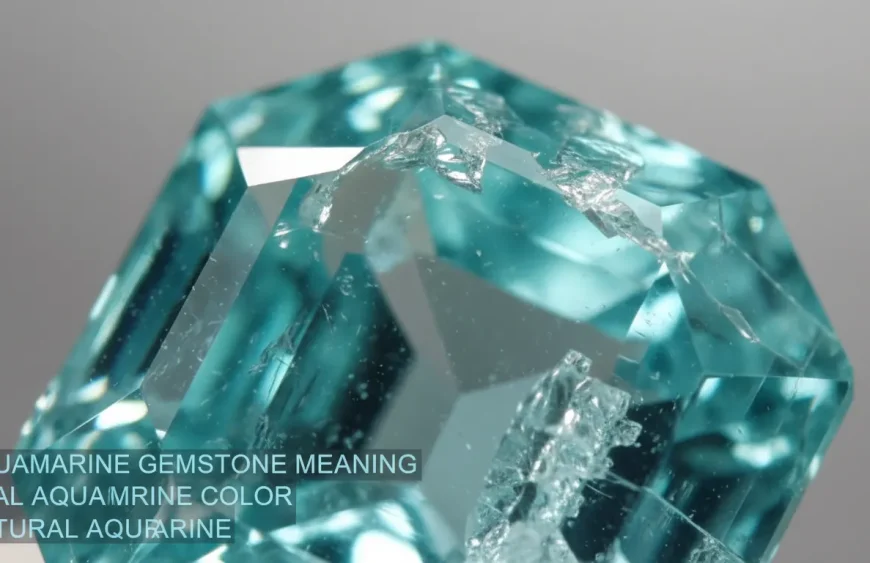
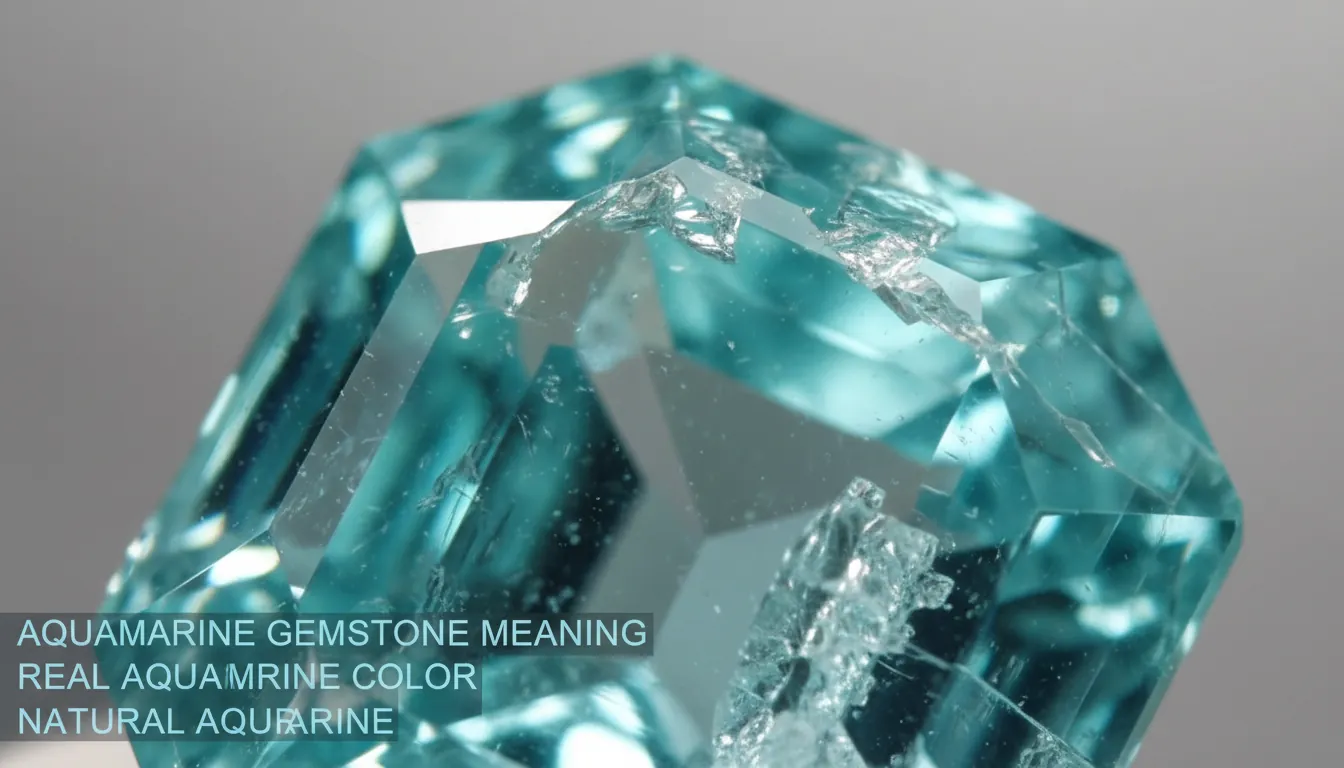
Aquamarine is the blue to blue‑green variety of beryl, the same mineral family as emerald. Its name comes from the Latin for “sea water,” which fits its airy, watery color. In jewelry, aquamarine is prized because it’s hard enough for daily wear and usually has excellent clarity.
Key aquamarine properties (gemology basics):
- Mineral family: Beryl (silicate)
- Hardness: 7.5–8 on the Mohs scale (good for rings with mindful wear)
- Typical color: Pale blue to light green; stronger blue can be more valuable
- Clarity: Often eye-clean (a reason it looks “glassy” and crisp)
For a deeper gem overview, see the GIA aquamarine buyer’s guide and the Aquamarine (gem) reference for standard specs.
Aquamarine Meaning: Calm Communication, Clarity, and “Ocean-Brain”
In crystal-wellness circles, aquamarine is often linked with:
- Calm under pressure
- Clear communication
- Emotional balance
- Gentle confidence
In my experience designing and testing crystal combinations for wearable comfort, aquamarine tends to be the stone people reach for when they’re tired of “performing calm” and want something that supports it. Think: meetings, hard conversations, travel days, or any season where your nervous system feels like it’s buffering.
Where the “calm” reputation comes from
Aquamarine’s cultural meaning is tied to the sea—clarity, flow, and steady rhythm. Whether you view crystals spiritually or symbolically, aquamarine works as a wearable reminder to:
- Pause before reacting
- Speak cleanly, not loudly
- Return to center when the day gets noisy
Aquamarine Benefits (Wellness + Style), Without the Hype
Aquamarine benefits are best understood in two layers: how it may feel to wear, and why it’s visually powerful.
1) Emotional and mindset support (wearable ritual)
Many wearers use aquamarine as a “reset” stone—especially during anxious thought loops. I’ve found it pairs well with small habits: three slow breaths before answering a message, or touching a bracelet before a presentation.
Common intentions people set with aquamarine:
- Reduce overstimulation
- Speak honestly (without spiraling)
- Soften self-criticism
- Stay grounded in social settings
2) Fashion benefit: it’s a universal “cool neutral”
Aquamarine sits in a flattering spectrum between icy blue and sea-glass green. That makes it easy to style with:
- White, cream, denim, gray, black
- Silver, white gold, pearls
- Minimalist outfits that need one luminous accent
Real Aquamarine Color: What “Good” Looks Like (and Why Pale Isn’t Bad)
Aquamarine can be very light—and that’s not automatically low quality. Many natural aquamarines are delicate in tone, like diluted ocean water.
What most buyers prefer:
- Hue: Blue to blue‑green
- Tone: Light to medium (not too dark)
- Saturation: Moderately vivid (more vivid often costs more)
Is aquamarine treated?
Yes—heat treatment is common to reduce greenish tones and bring out a purer blue. This is widely accepted in the gem trade when disclosed. If you want a fully transparent buying framework, the International Gem Society aquamarine pricing guide is helpful for understanding how color and treatment affect value.
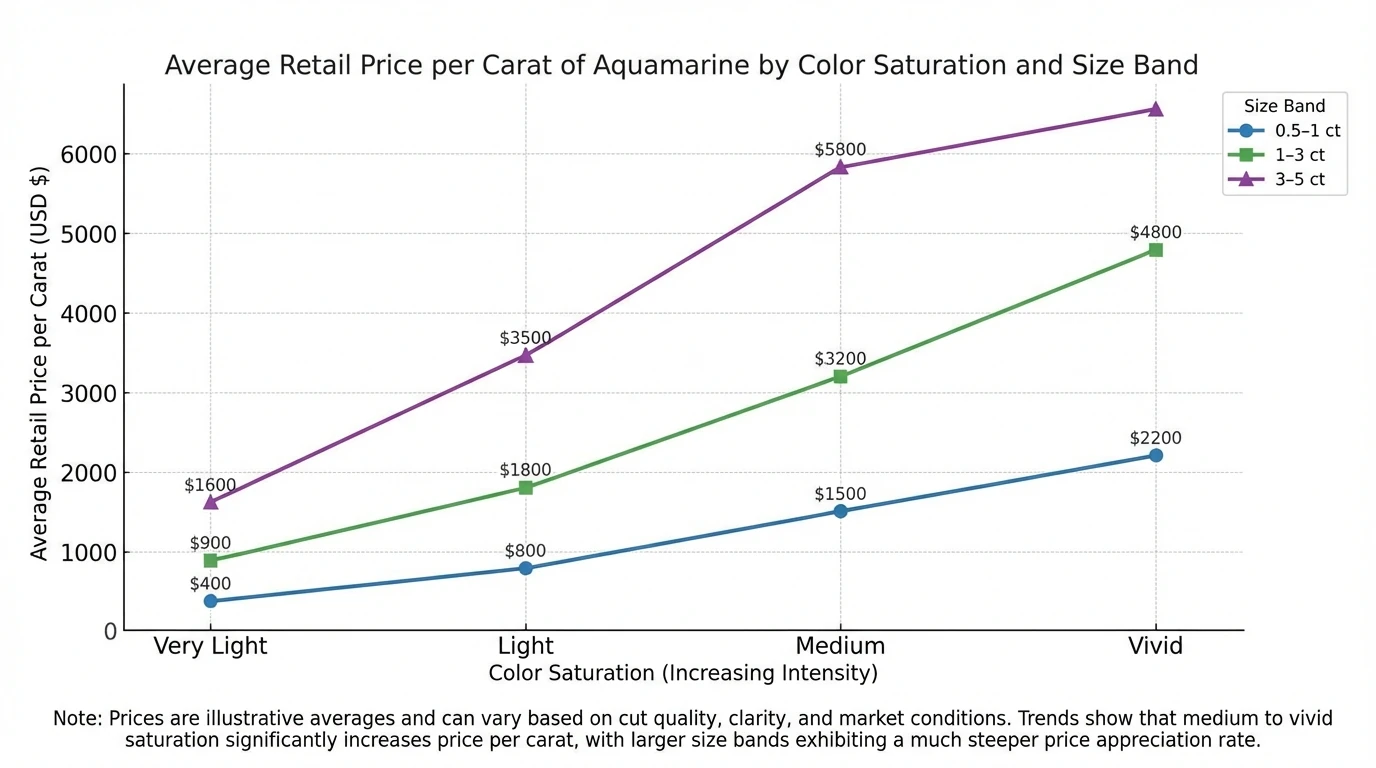
Aquamarine Price: What Impacts Value Most
Aquamarine value typically follows the same “Four Cs” logic used for many gems, but with a few aquamarine-specific quirks.
Top price factors:
- Color (stronger, cleaner blue usually commands more)
- Clarity (many stones are eye-clean; obvious inclusions can drop value)
- Cut (good cut boosts brilliance; poorly cut stones look “watery” in a dull way)
- Carat weight (bigger sizes rise in price, especially with good color)
A practical shopping tip: if you’re buying aquamarine jewelry for everyday wear, prioritize cut and durability of setting as much as the stone itself. A perfectly colored stone won’t feel “luxury” if it’s loosely set or constantly snagging.
How to Tell if Aquamarine Is Real (and Avoid Lookalikes)
Aquamarine is often imitated or confused with similar blue stones. If you’re shopping online, you’re mostly verifying honesty (accurate labeling + documentation) rather than doing lab-grade testing at home.
Common aquamarine lookalikes
- Blue topaz (often more inky/bright; commonly treated)
- Glass (too uniform, often cheaper, may show bubbles)
- Synthetic spinel or other lab materials (can look “too perfect”)
Quick buyer checklist for real aquamarine
- Ask for material disclosure (natural vs synthetic vs glass)
- Look for certificates/authenticity statements
- Check if treatment is disclosed (heat treatment is common; secrecy is the red flag)
- Prefer sellers who show multiple angles and lighting conditions
| Stone Type | Typical Color Look | Clarity/Inclusions | Common Treatments | Price Range (general) | Best Use in Jewelry |
|---|---|---|---|---|---|
| Natural Aquamarine | Soft sea-blue to blue-green; often slightly muted | Usually eye-clean; may show fine tubes/feathers | Heat treatment to remove green tones (common) | $–$$ | Rings, pendants, earrings (best in protective settings) |
| Blue Topaz | Bright “Swiss” blue to deep “London” blue; vivid | Typically very clean; few visible inclusions | Irradiation + heat (standard for blue color) | $–$ | Earrings, pendants, fashion rings |
| Glass Imitation | Uniform blue; may look overly even or “flat” | Bubbles, swirl marks, flow lines; easily scratched | Coloring/dyeing; surface coatings | $ | Costume jewelry; occasional-wear pieces |
| Synthetic Spinel | Even, saturated blue; can be very “perfect” | Usually very clean; occasional curved growth lines | Usually none; sometimes color additives in growth | $–$ | Durable everyday jewelry; rings and bracelets |
Aquamarine Jewelry: Best Pieces, Best Metals, Best Occasions
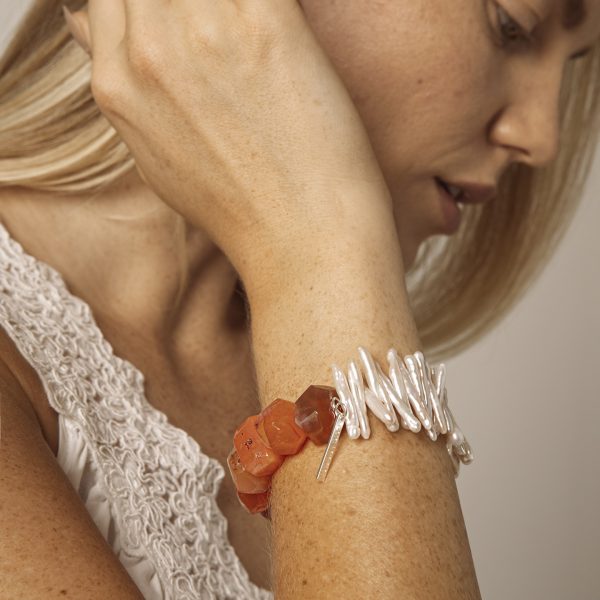
Aquamarine is a sweet spot gemstone for people who want color without loudness. In handcrafted design, it also plays beautifully with pearls and clear crystals—soft light on soft light.
Best aquamarine jewelry styles
- Bracelets: Great for touch-based grounding (you feel it during the day)
- Necklaces: Keeps the stone near your voice/heart area—popular for communication intentions
- Earrings: Brightens the face; especially elegant with pearls
- Rings: Durable enough, but choose protective settings if you’re active
Metal pairing guide
- Sterling silver / white gold: Crisp, oceanic, modern
- Yellow gold: Warmer, more “sunlight on water”
- Rose gold: Romantic sea-glass vibe, softer contrast
How StarryBead Uses Aquamarine (Design + Authenticity)
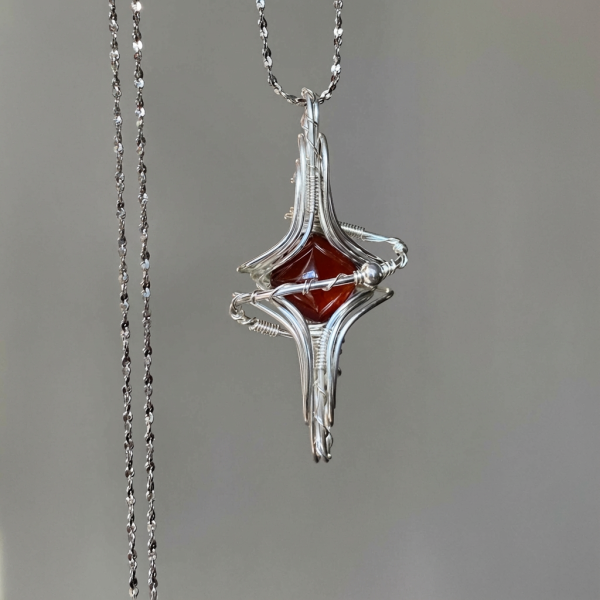
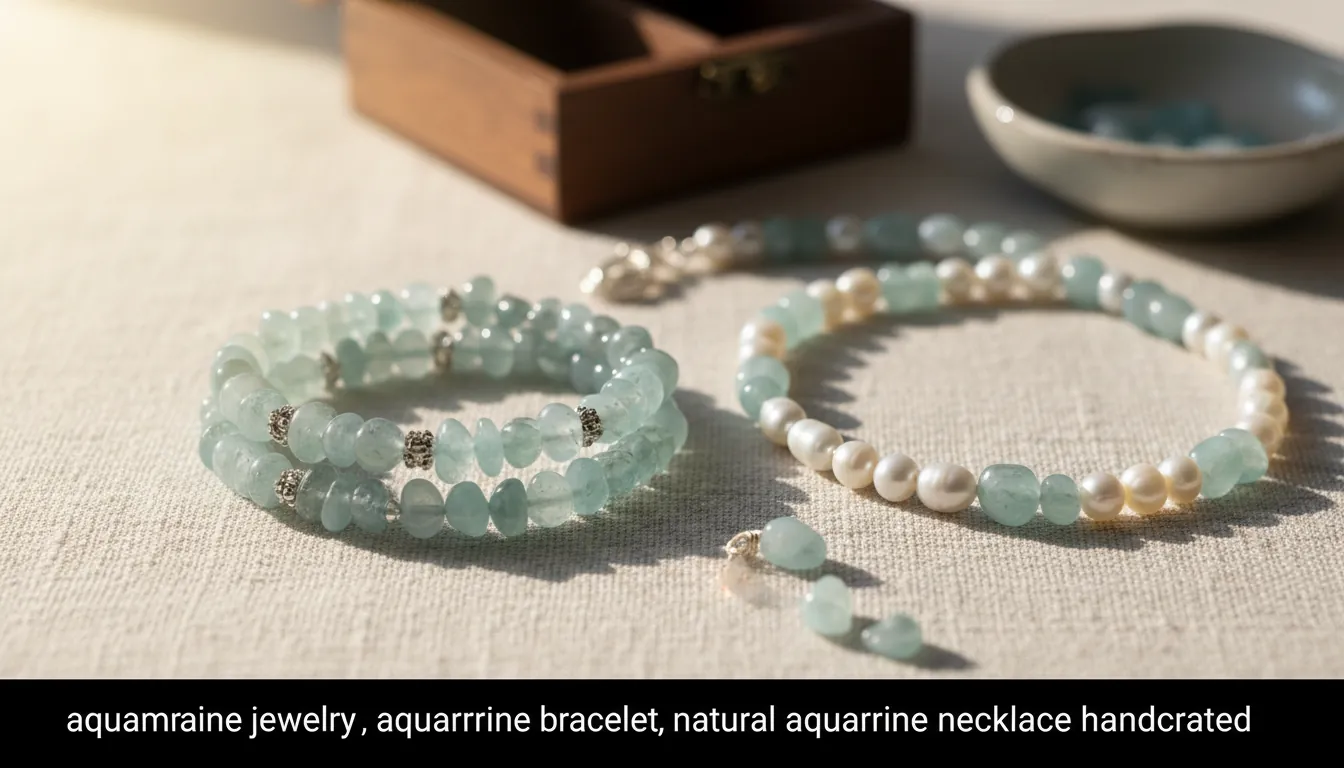
At StarryBead, aquamarine isn’t treated like a random “blue bead.” It’s chosen for wearable calm—then built into designs that don’t fight your daily life. We focus on:
- Handcrafted construction for comfort and longevity
- 100% natural crystals and gemstones with certificates for authenticity
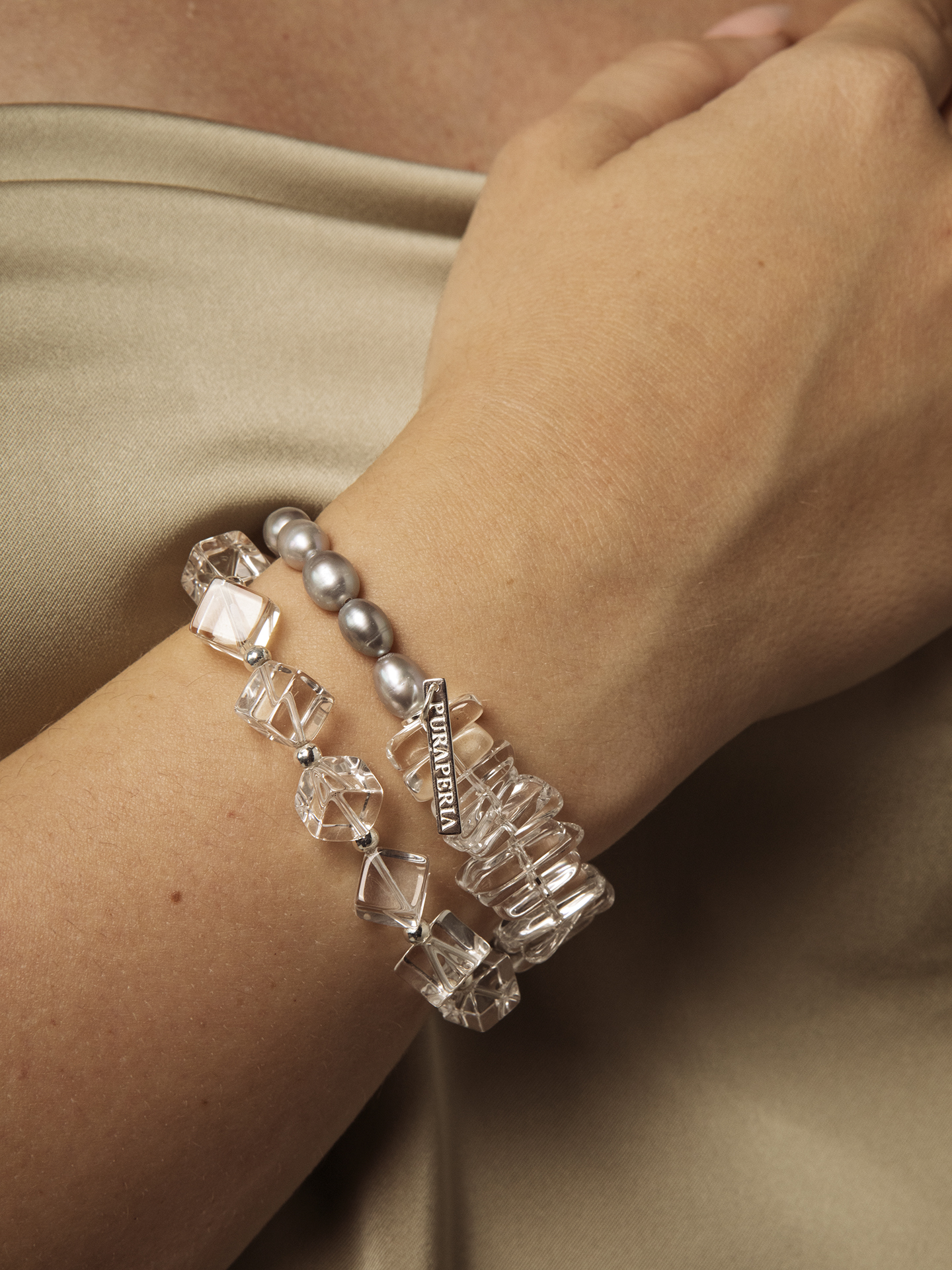
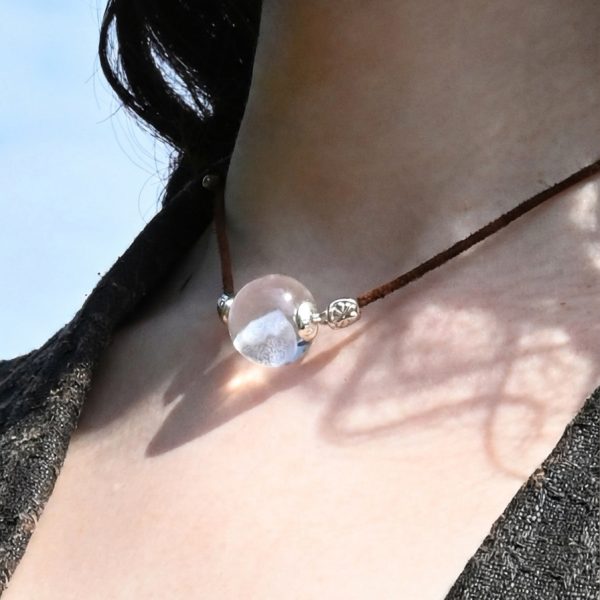
- Pairing aquamarine with materials like Freshwater Pearl, Clear Quartz, and Smoky Quartz to balance softness with grounded structure
If you’re curating a small “energy wardrobe,” aquamarine is one of the easiest cornerstone stones: serene enough for daily wear, special enough for gifting, and timeless in photos.
Aquamarine in Pop Culture (Why the Name Feels Like a Beach Day)
“Aquamarine” doesn’t just live in jewelry—it’s a cultural shorthand for mermaid energy, summer friendship, and ocean-washed optimism. The 2006 film Aquamarine helped lock that feeling in for a generation; you can read the plot summary on Wikipedia’s Aquamarine (film) page. If you’re chasing that vibe—light, bright, sea-salt sweet—an aquamarine accessory delivers it without trying too hard.
Care Guide: How to Clean Aquamarine Safely
Aquamarine is fairly tough, but it’s still a gemstone—treat it like something you want to keep luminous.
Do:
- Clean with lukewarm water, mild soap, and a soft brush
- Store separately to avoid scratches from harder stones
- Take off jewelry for heavy lifting, gym work, and harsh chemicals
Avoid:
- Ultrasonic cleaners if your stone has inclusions or your setting is delicate
- Chlorine exposure (pools/hot tubs can be rough on jewelry over time)
Recommended Reading (Authority Links)
To cross-check gem facts and buying guidance, these are solid sources:
- GIA aquamarine buyer’s guide
- International Gem Society aquamarine value & jewelry information
- Aquamarine (gem) mineral overview
FAQ: Aquamarine Questions People Search Most
1) What is aquamarine the birthstone for?
Aquamarine is widely recognized as the March birthstone, popular for gifts and milestone jewelry.
2) Is aquamarine expensive?
Aquamarine ranges from affordable to high-end. Color saturation, size, and cut drive the biggest price changes.
3) Is heat-treated aquamarine “real” aquamarine?
Yes—if it began as natural aquamarine. Heat treatment is common and typically accepted when properly disclosed.
4) What chakra is aquamarine associated with?
In many crystal traditions, aquamarine is linked with the throat chakra (communication and expression).
5) How can you tell if aquamarine is fake at home?
You can’t confirm authenticity perfectly at home, but you can spot red flags: suspiciously low pricing, no disclosure, overly uniform “glass blue,” or visible bubbles.
6) Can aquamarine be worn every day?
Generally yes. With a 7.5–8 Mohs hardness, aquamarine is suitable for daily wear, especially in protective settings.
7) What pairs well with aquamarine in jewelry?
Popular pairings include Freshwater Pearl, Clear Quartz, and Smoky Quartz for a balanced look and feel.
Conclusion: Let Aquamarine Be Your “Calm You Can Wear”
Aquamarine isn’t loud, and that’s the point. It’s the quiet blue that helps you speak clearly, move gently, and still show up fully—whether you wear it for meaning, style, or both. If you’re building a jewelry collection that supports your everyday rhythm, aquamarine is one of the best stones to start with.
📌 Explore StarryBead’s natural aquamarine jewelry collection and request a certificate of authenticity—then share in the comments what “calm” looks like in your daily life (and who you’d gift aquamarine to).