Birthstone Citrine: Meaning, Benefits, and How to Choose Real Citrine Jewelry (November’s Golden Gem)
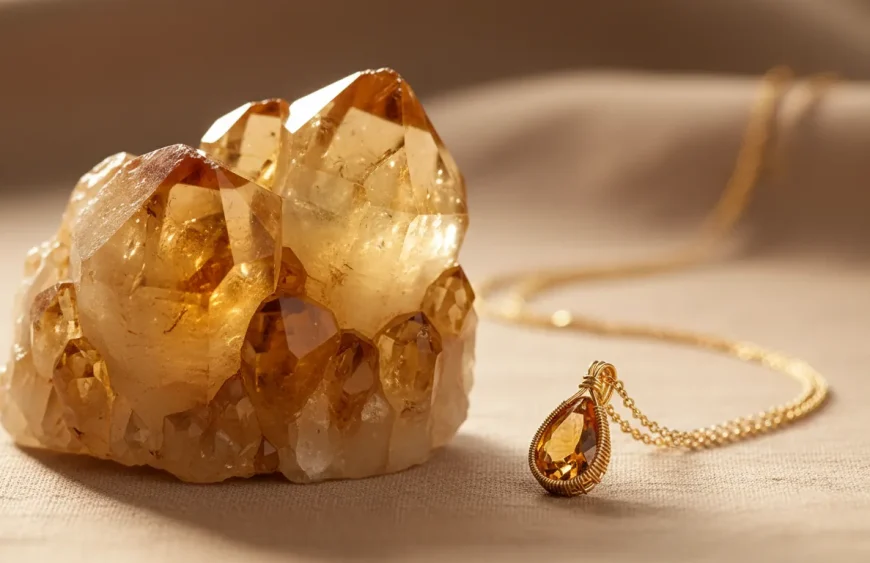
When November rolls in, I always notice people reaching for warmer colors—gold sweaters, amber candles, honey tea. Birthstone citrine fits that same instinct: it looks like bottled sunlight, and it’s traditionally linked with positivity, confidence, and abundance. But once you start shopping, a real question pops up: Is this genuine citrine, or heat-treated quartz? And if it’s treated, does it matter?
This guide breaks down birthstone citrine meaning, history, quality tips, and how to wear it in a way that feels personal—especially if you love crystal jewelry for both style and intention.
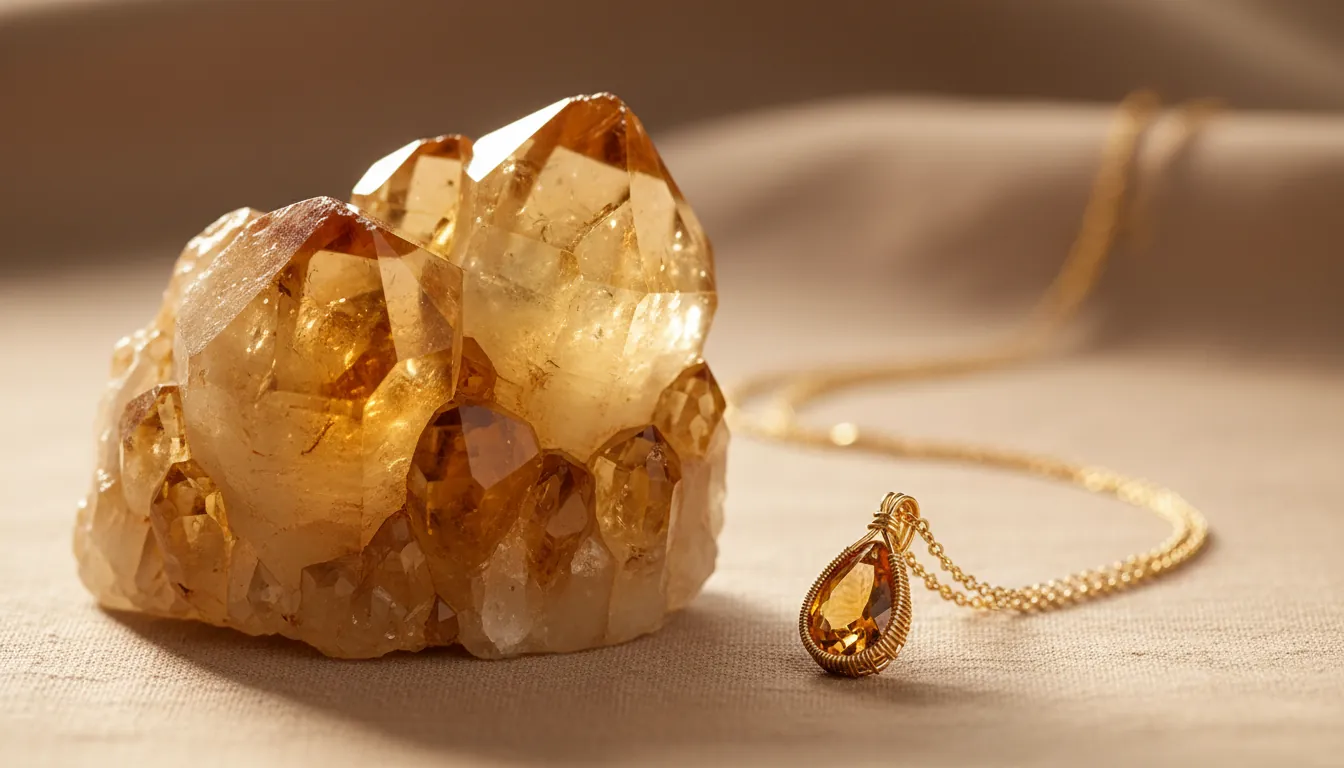
What Is Birthstone Citrine (and Why Is It November’s Gem)?
Birthstone citrine is a yellow-to-orange variety of quartz colored by trace iron. It’s one of November’s birthstones (alongside topaz), and it’s prized because it’s bright, wearable, and usually more affordable than many rarer gems. The name comes from the citron fruit, which matches citrine’s lemon-to-honey color range.
Gem educators like the Gemological Institute of America (GIA) note that November has two birthstones—topaz and citrine—giving you flexibility in color, budget, and symbolism. For many people, citrine wins because it feels cheerful and modern while still being classic.
Common color range you’ll see:
- Pale lemon
- Soft champagne
- Honey gold
- Warm amber-orange
Birthstone Citrine Meaning: The “Sunlight” Stone in Modern Life
Ask five crystal lovers what birthstone citrine means and you’ll get five different stories—but they usually rhyme. Citrine is commonly associated with:
- Optimism and joy
- Motivation and confidence
- Success and abundance
- Mental clarity and “fresh start” energy
In my own jewelry testing sessions (I wear gemstones daily to see how they pair with outfits and routines), citrine is the one I reach for on days I need a steadier mood—not hype, just lift. Whether you treat that as energy work or a meaningful reminder, the effect is real in one practical way: it cues your mind to show up with intention.
A simple intention ritual (no fluff):
- Hold your citrine jewelry for 10 seconds before you put it on.
- Choose one word: steady, brave, focused, or open.
- Wear it as your “anchor” for the day.
Citrine vs Topaz: November Birthstones Compared
November birthstone shoppers often get stuck between topaz and citrine. They can look similar, especially in lighter shades.
| Feature | Birthstone Citrine (Quartz) | Topaz |
|---|---|---|
| Color range | Pale yellow to golden orange, honey, amber-brown | Colorless, blue (sky/Swiss/London), yellow, orange, pink, brown; rare natural red/orange “imperial” |
| Hardness (Mohs) | 7 | 8 |
| Typical treatments | Commonly heat-treated amethyst or smoky quartz to produce citrine color | Very commonly irradiated + heat-treated for blue; heat for some yellow/pink; coatings possible on some fashion stones |
| Price range (general) | Low to moderate; widely available | Moderate; blue generally affordable, imperial/pink can be higher |
| Best jewelry styles | Everyday rings, studs, pendants; warm-toned gold settings; bold cocktail rings | Rings and earrings (especially blue); statement pendants; halo and three-stone designs; works in both white and yellow metals |
| Care notes | Avoid prolonged high heat and harsh chemicals; clean with mild soap/water; protect from hard blows | Can chip/cleave with sharp impact; avoid ultrasonic/steam if treated or included; clean with mild soap/water; store separately to prevent scratching |
A quick, practical takeaway:
- Choose birthstone citrine if you want warm golden tones, easy styling, and quartz durability for daily wear.
- Choose topaz if you want more color variety (including blues) and don’t mind being extra careful about knocks.
For gem facts and buying guidance, the American Gem Society overview of citrine is a solid reference.
Is Most Citrine Heat-Treated? Yes—Here’s What That Means
A surprising truth: much of the citrine on the market is heat-treated amethyst or smoky quartz. This is widely documented by gem organizations and is normal in the jewelry trade. Heat can shift quartz colors into golden tones, creating the citrine look people love.
That doesn’t automatically make it “fake.” It does mean you should shop with clear expectations:
- Natural citrine (colored by nature) is rarer and often shows softer, more even champagne or lemon hues.
- Heat-treated quartz sold as citrine can be more orange-brown, sometimes with a “burnt” tone.
If you care about origin and authenticity, look for:
- Transparent product descriptions
- Certificates of authenticity
- Clear photos in neutral lighting
At StarryBead, this matters because crystal jewelry is as much about trust as it is about beauty—especially when you’re buying for meaning.
How to Spot Real Citrine: A Buyer’s Checklist (Beginner-Friendly)
You don’t need lab tools to make smarter choices. Use these checks when buying birthstone citrine jewelry online:
- Color realism: Natural-looking citrine is often light yellow to honey. Extremely dark orange-brown can be a heat-treated look.
- Clarity expectations: Citrine is usually fairly clear. Heavy cloudiness or odd internal “patches” can signal lower-grade material (or poor cutting).
- Cut and sparkle: Faceted citrine should have crisp reflections, not a dull glow.
- Price logic: If it’s marketed as “rare natural citrine” but priced like costume jewelry, pause.
- Disclosure: The listing should state whether treatment is present (heat treatment is common and should be disclosed).
If you want a deeper gem-education baseline, compare guidance across reputable jewelers and educators like GIA and AGS rather than relying on viral shopping advice.
Birthstone Citrine Jewelry Styles That Actually Get Worn
Citrine can look vintage, minimalist, or bold depending on the setting. In handcrafted crystal jewelry, the “most worn” pieces are usually the ones that feel easy to repeat.
Best everyday styles for birthstone citrine:
- Beaded citrine bracelets: easy to stack with pearl or quartz
- Citrine pendant necklaces: flattering on most necklines, great gift choice
- Small citrine studs or drops: warm glow near the face without feeling loud
- Citrine rings: gorgeous, but best for careful wear due to hand impact
Style pairings that work:
- Citrine + Freshwater Pearl for soft luxury
- Citrine + Clear Quartz for a clean, bright look
- Citrine + Smoky Quartz for grounded, autumn tones
- Citrine + Black Tourmaline for contrast and edge
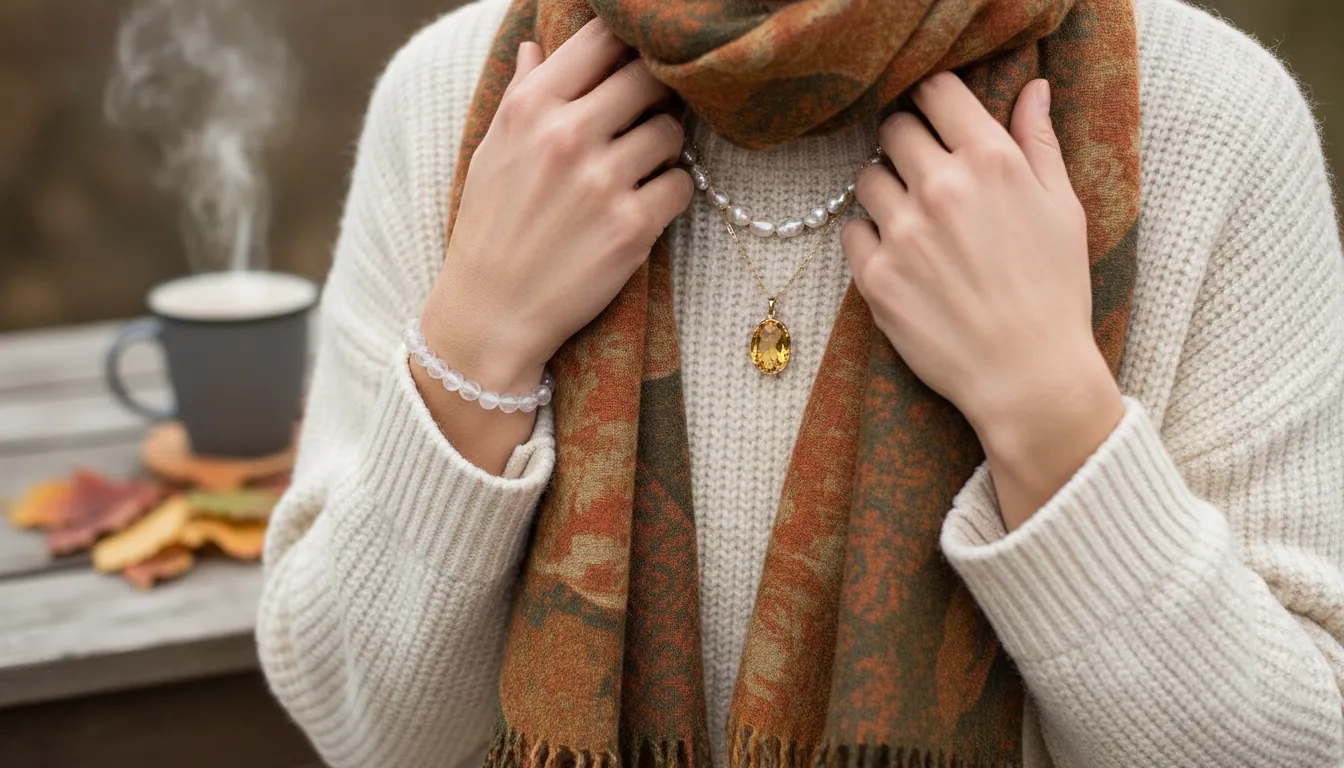
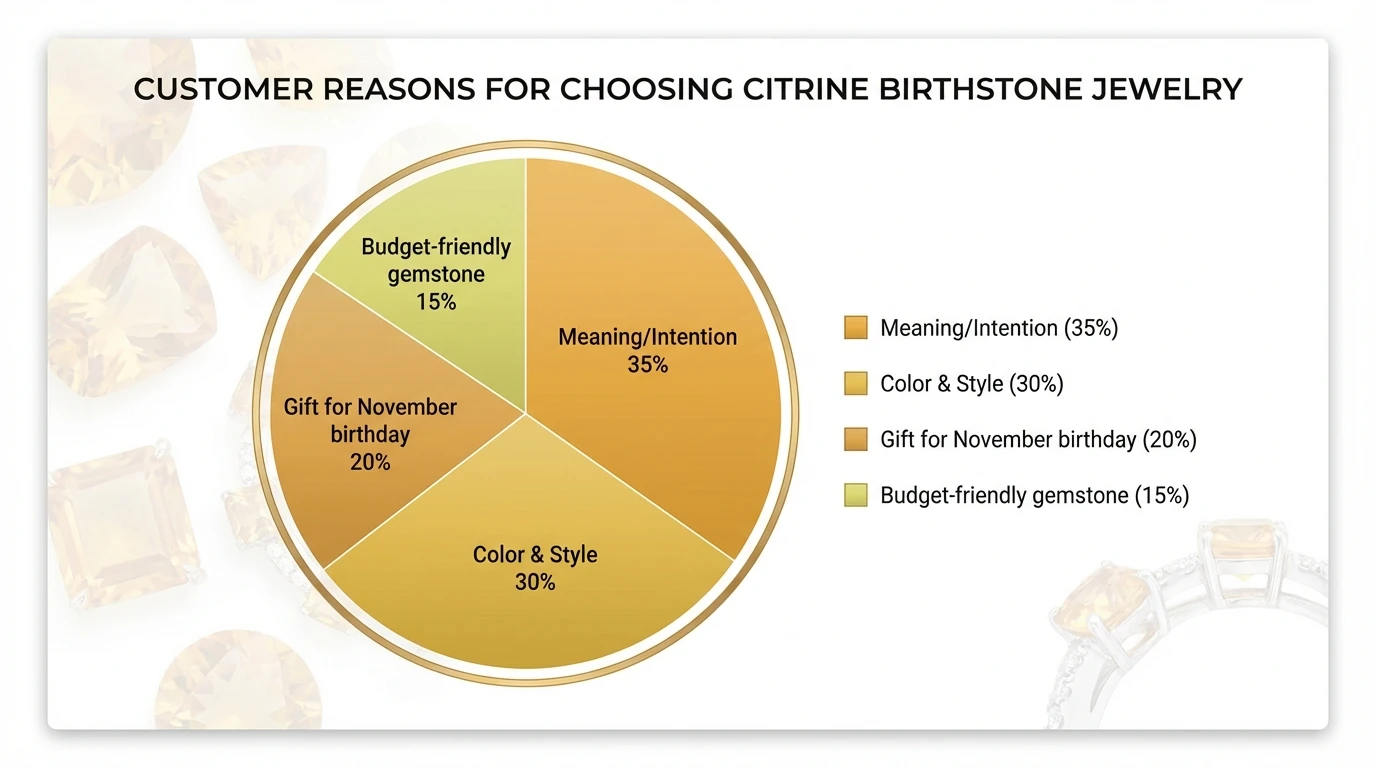
Chart: Why People Choose Citrine (Meaning vs Style vs Budget)
Citrine is popular because it sits at the sweet spot of symbolism, price, and wearability.
How to Clean and Care for Birthstone Citrine Jewelry
Citrine is quartz (Mohs hardness ~7), which makes it fairly durable—but jewelry settings, stringing, and metals still need care.
Safe care routine:
- Use lukewarm water + mild soap.
- Wipe with a soft cloth (microfiber is ideal).
- Avoid harsh chemicals and ultrasonic cleaners if your piece includes pearls or delicate settings.
Wear tips I’ve learned the hard way:
- Put citrine jewelry on after perfume and hairspray.
- Store it separately to reduce scratching from harder stones.
- If it’s a bracelet, remove it for workouts and cleaning chores.
Birthstone Citrine Gifts: What to Buy for Each Relationship
If you’re gifting birthstone citrine, match the piece to the person’s habits, not just their style.
- For a partner: a citrine pendant necklace (romantic, wearable, symbolic)
- For a best friend: a stackable bracelet set (fun, daily-use)
- For a teen or minimalist: small earrings (low-commitment, high impact)
- For a colleague: a simple necklace or bracelet with subtle citrine accents
If you want the gift to feel “complete,” include a short note with the intention you hope it carries—confidence, warmth, clarity, or new beginnings.
A Short, Honest Note on “Healing Properties”
People love birthstone citrine for emotional symbolism and spiritual practices. That can be meaningful and grounding, but it’s not a medical treatment. The best way to frame crystal jewelry is as:
- a personal reminder,
- a confidence cue,
- and a beautiful object tied to a story.
That’s also why craftsmanship and authenticity matter—because the meaning sticks better when the piece feels real.
Watch: Citrine Meaning, Quality, and Shopping Tips
Real or Fake Citrine Crystal? How To Spot The Difference Between Real, Fake, Heated Citrine?
Conclusion: Let Citrine Be Your “Golden Yes”
I think of birthstone citrine as the friend who gently pushes you toward brighter choices—nothing dramatic, just steady warmth. If you’re a November birthday, it’s a natural personal signature. If you’re not, it still works as a daily symbol of confidence and forward motion, wrapped in a color that flatters almost everyone.
If you’re exploring citrine jewelry, share what you’re drawn to—bracelet, necklace, earrings, or ring—and what you want it to represent. And if you’re shopping for a meaningful piece, choose one that comes with clear disclosure and authenticity support.
📌 Invite readers to browse StarryBead’s handcrafted citrine jewelry collection, sign up for free authenticity and care guide, and share the article with someone born in November
Helpful resources:
- Gemological Institute of America: November birthstones
- American Gem Society: Citrine overview
- Kay Outlet: Citrine jewelry shopping page
FAQ: Birthstone Citrine Questions People Search
1) Is citrine the official November birthstone?
Yes. November has two birthstones—citrine and topaz—commonly recognized by major gem authorities and jewelry retailers.
2) What does birthstone citrine symbolize?
It’s widely associated with positivity, confidence, abundance, and warmth. Many wear it as an intention piece for motivation and clarity.
3) Is heat-treated citrine “real” citrine?
It’s real quartz, but the color is created or enhanced by heat treatment (often from amethyst or smoky quartz). Ethical sellers disclose treatment.
4) How can I tell if my citrine is natural?
Look for softer lemon-to-honey tones, realistic pricing, and transparent disclosure/certification. For certainty, a gemologist can test it.
5) Can I wear citrine every day?
Generally yes—quartz is durable—but remove it for rough activities. Daily wear is easiest with secure settings and good craftsmanship.
6) Does citrine fade in sunlight?
Prolonged strong light exposure can affect some gemstones. It’s smart to avoid leaving citrine jewelry in direct sun for long periods.
7) What metals look best with birthstone citrine?
Yellow gold enhances warmth, rose gold feels soft and romantic, and sterling silver creates crisp contrast—choose based on your wardrobe and undertone.