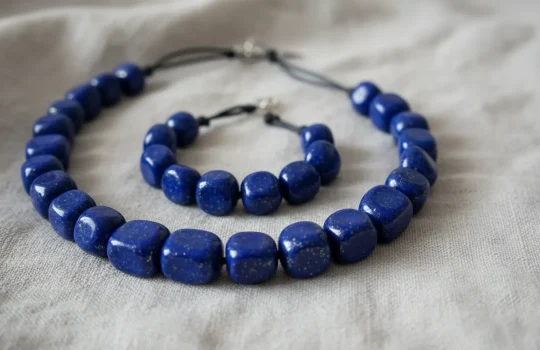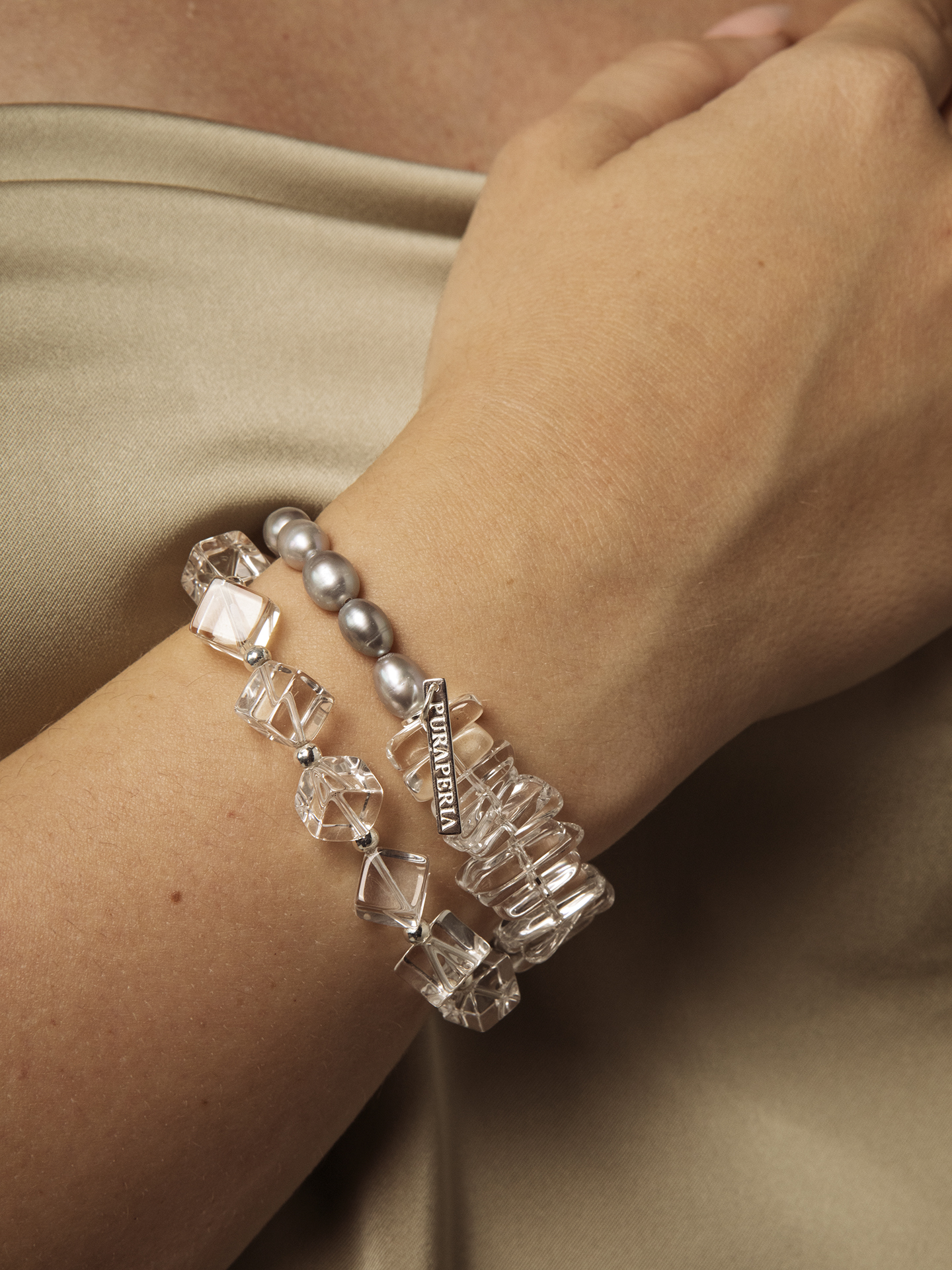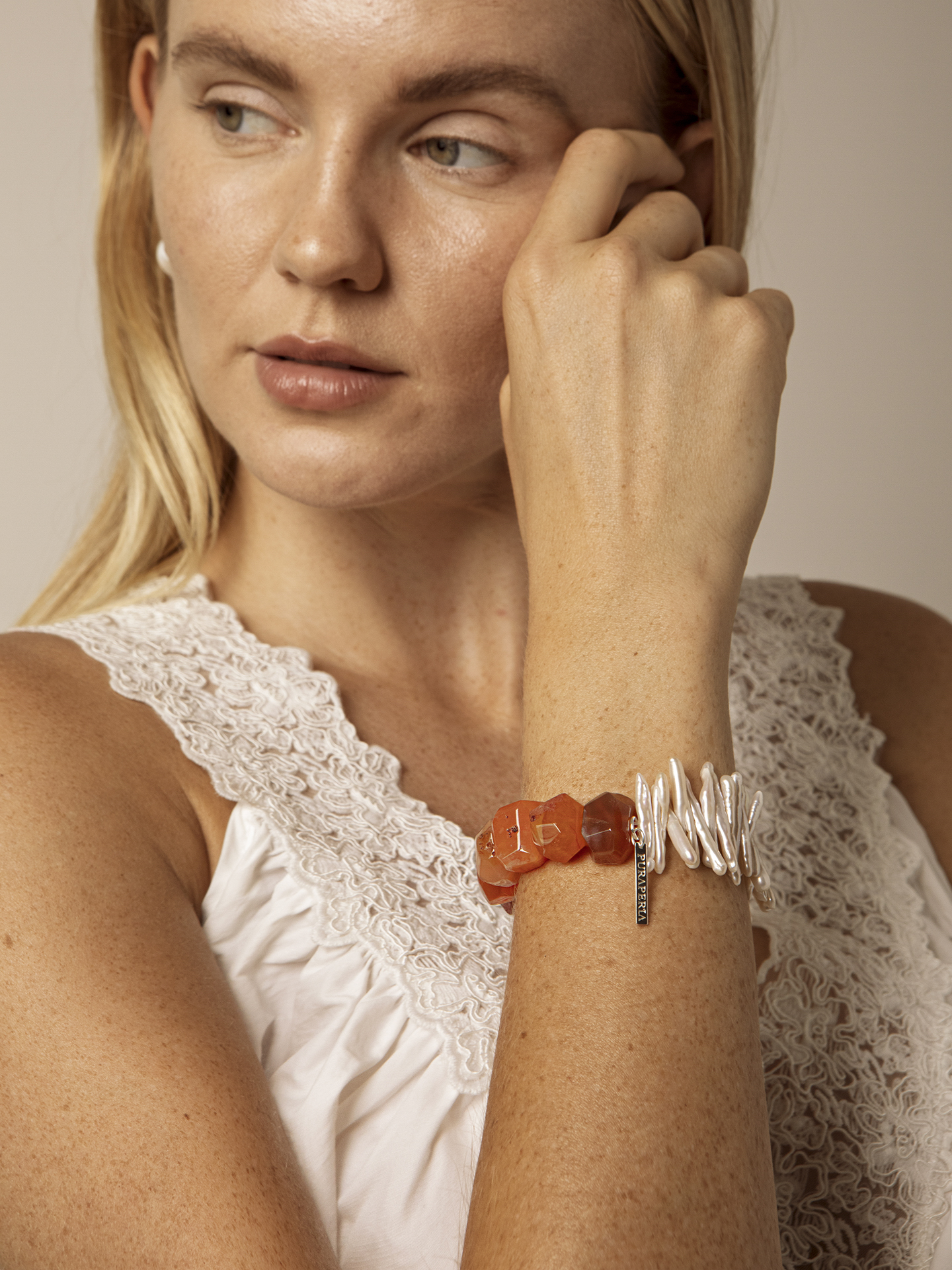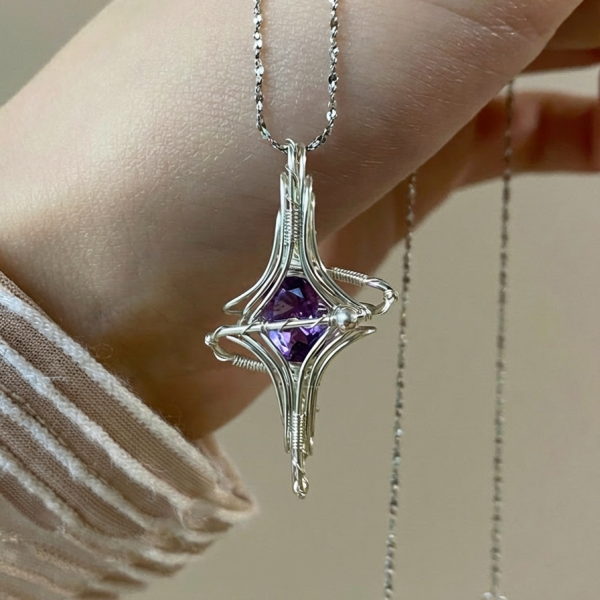
A quiet moment with crystals (and why they feel personal)
The first time I wore crystals daily, it wasn’t because I expected a miracle—it was because I wanted an anchor. A small, cool stone against the skin can act like a “pause button” in a busy day: a reminder to breathe, reset, and return to what matters. If you’ve ever wondered why people collect crystals, wear them as jewelry, or keep them on a desk, you’re not alone. The honest answer is that crystals sit at the intersection of nature, design, and meaning.
This guide breaks down what crystals are, what people believe they do, how to choose them, and how to care for them—especially when you’re buying natural crystal jewelry like StarryBead’s handcrafted pieces.
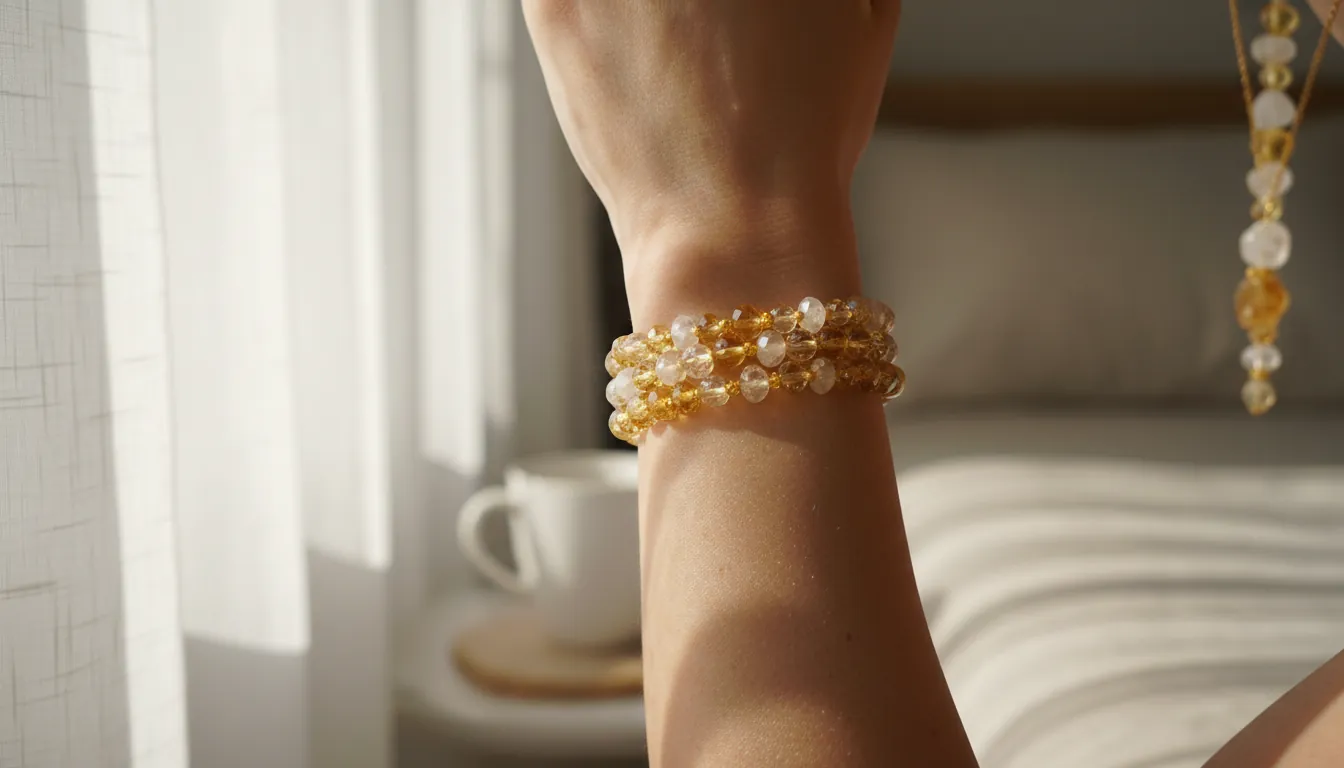
What are crystals? (Science, simplified)
In geology, crystals are solids whose atoms are arranged in an orderly, repeating pattern—think of it as nature’s architecture. That structure is why many stones form distinct shapes (points, clusters, hexagons) and can appear glassy, cloudy, banded, or sparkly depending on their mineral makeup. If you want a deeper scientific definition, see Crystal (Wikipedia) and the Smithsonian’s overview of minerals and crystal formation: Smithsonian Education: Minerals, Crystals and Gems.
From a wearer’s perspective, the science matters for:
- Durability (some stones scratch easily)
- Color stability (some fade in sunlight)
- Authenticity cues (natural inclusions vs. suspicious perfection)
Why people use crystals for wellness (and what’s realistic)
Many people use crystals as tools for intention-setting—similar to journaling, meditation, prayer beads, or wearing a symbol that matters to you. In my experience, the biggest value is behavioral: when a crystal has meaning, you touch it, notice it, and use that moment to regulate your attention. That doesn’t require supernatural claims; it’s a practical ritual.
Here’s a balanced way to frame it:
- Crystals can support mindset: a tactile reminder of a goal (calm, courage, clarity).
- Crystals can’t replace care: they are not a substitute for medical or mental health treatment.
- Your relationship matters: the “effect” often comes from your consistency and intention.
For encyclopedic “energy meanings” (useful as a starting point, not gospel), browse references like The Crystal Council or category guides such as Crystal Vaults Crystal Guide.
Crystals in jewelry: why wearing them hits different
A crystal on a shelf is beautiful. A crystal worn on the body becomes a habit—and habits shape days. Jewelry also solves two common beginner problems: you don’t forget to use the crystal, and you don’t have to “do it right.”
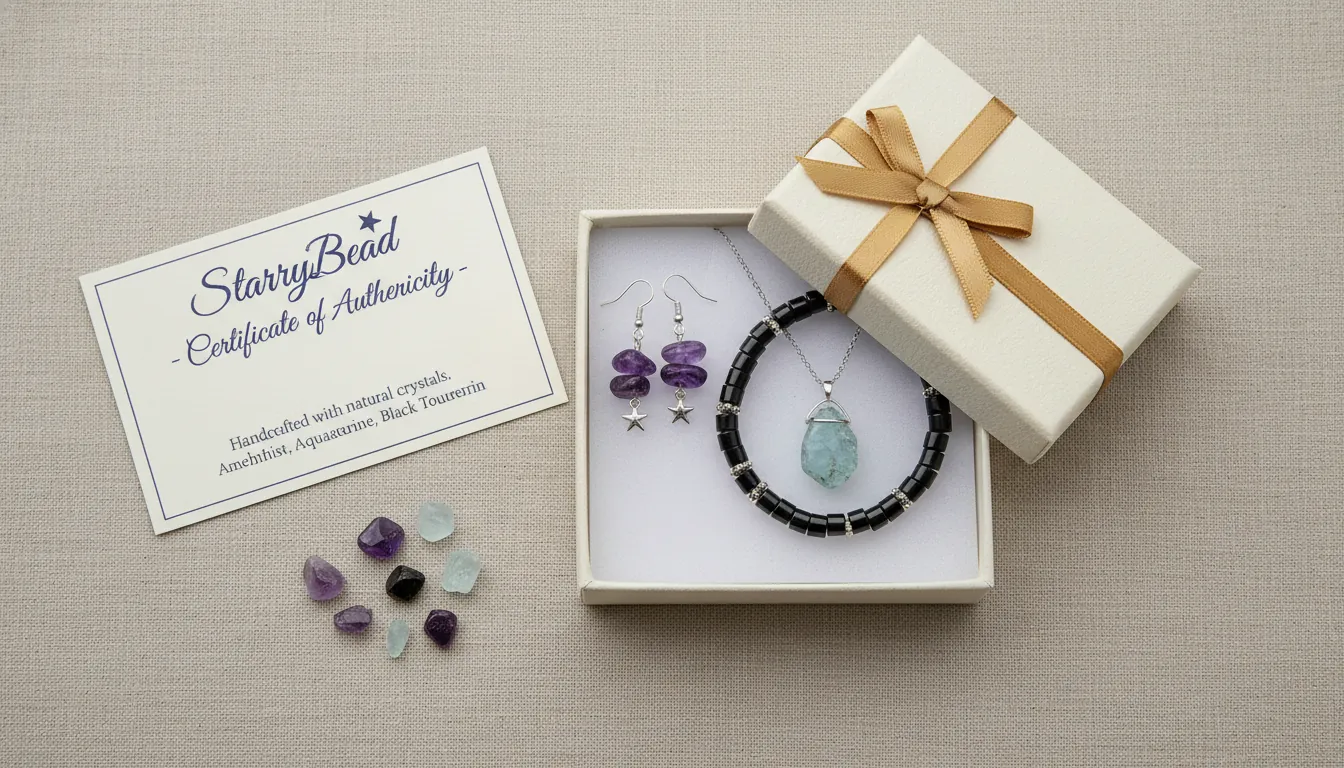
StarryBead’s approach—handcrafted pieces using 100% natural crystals with authenticity certificates—matters because jewelry is where mislabeling is common. If you’re investing in crystals for meaning and style, natural materials and trustworthy sourcing are the baseline.
How to choose crystals (a simple decision path)
When people ask me which crystal is “best,” I ask three questions: What do you want to feel? How will you wear it? How sensitive is your lifestyle (work, water, sun)? Use this quick path:
-
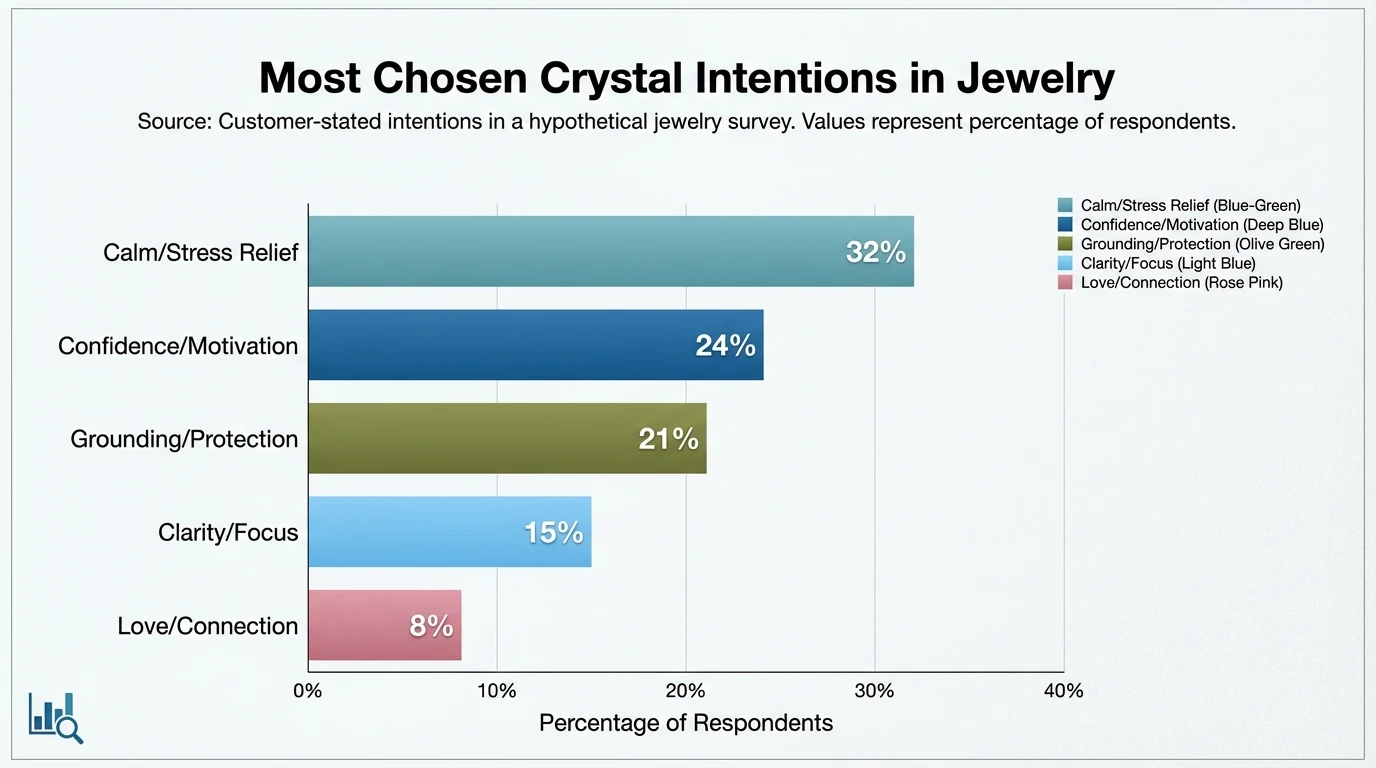
Pick your intention
- Calm and sleep: Amethyst, Smoky Quartz
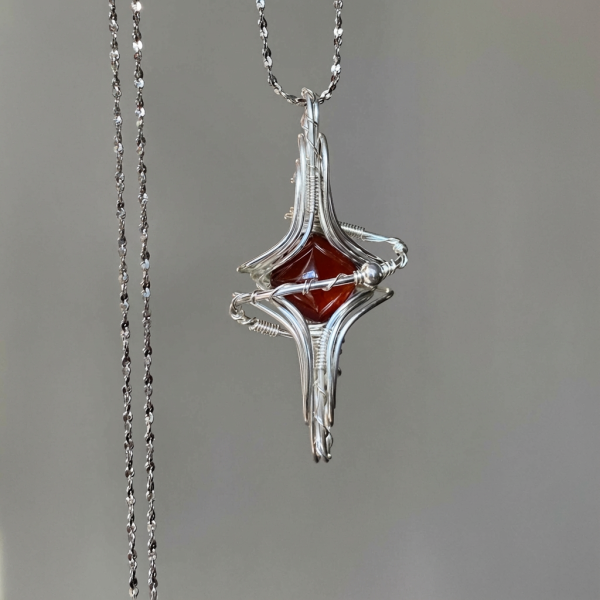
- Confidence and positivity: Citrine, Red Agate
- Grounding and protection: Black Tourmaline, Jasper
- Clarity and focus: Clear Quartz, Blue Kyanite
-
Match it to your routine
- Desk work: rings/bracelets you can see while typing
- Busy days: necklaces that sit close to the heart
- Travel: smaller pieces you won’t baby
-
Choose a stone hardness that fits
- Softer stones scratch more easily; tougher stones handle daily wear better.
Popular crystals (and how they’re often used)
Below are common crystals and gemstones you’ll see in meaningful jewelry—especially in StarryBead-style designs.
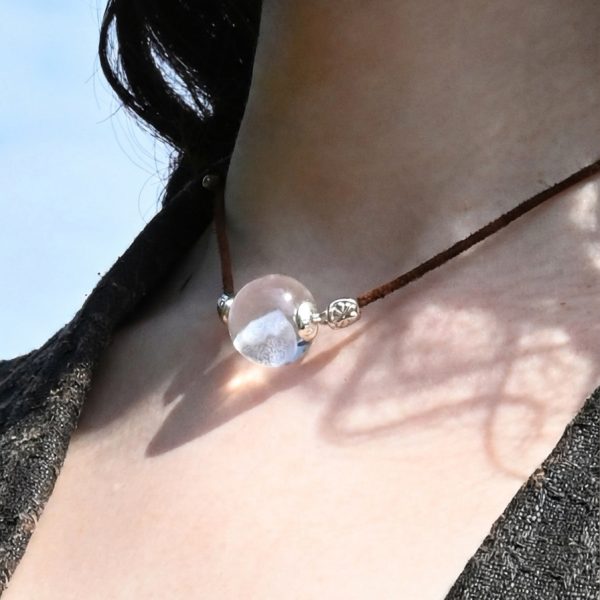
- Clear Quartz: often called a “magnifier” for intention; visually versatile and pairs with anything.
- Amethyst: a classic for calm and reflection; many wear it for evening wind-down routines.
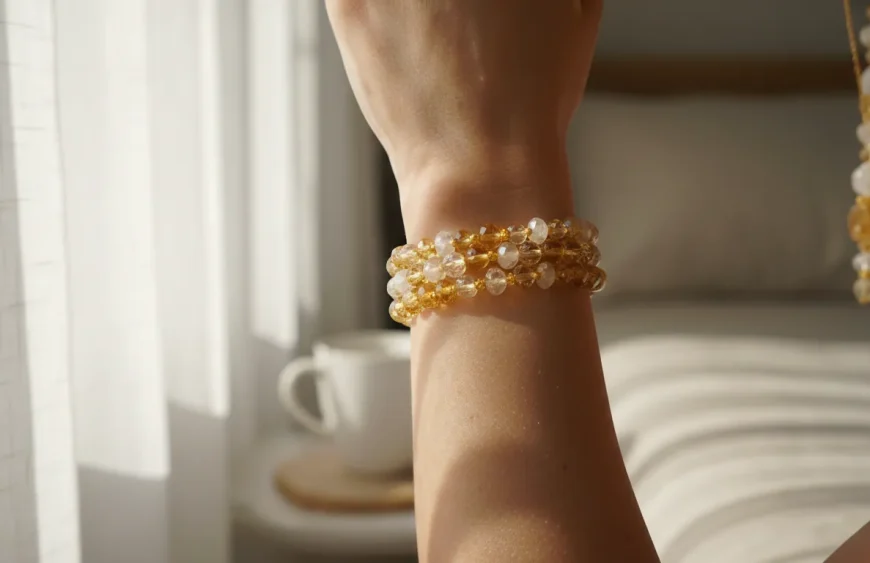
- Citrine: bright, sunny energy; frequently chosen for confidence and motivation.
- Smoky Quartz: grounding feel; great for “too much in my head” days.
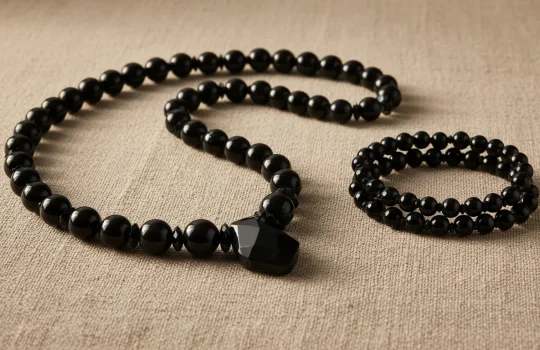
- Black Tourmaline: a popular protective stone; many people wear it during stressful social or work seasons.
- Aquamarine: associated with soothing communication and emotional ease; a gentle everyday look.
- Blue Kyanite: often used for clarity and “truth-telling” energy; striking deep blue tones.
- Jasper (Green/Dalmatian): steady, earthy; easy to style and commonly linked with resilience.
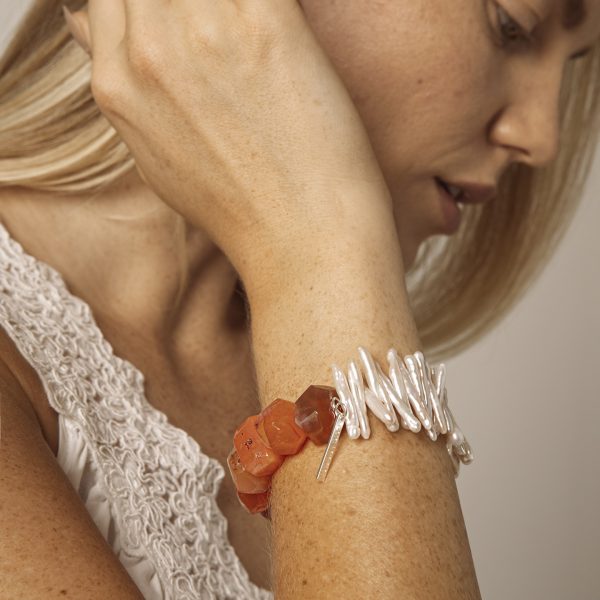
- Freshwater Pearl (not a crystal, but beloved in wellness fashion): symbol of calm elegance and softness.
Top 10 MUST HAVE CRYSTALS For Beginners & Everyone 🤩Crystal Healing Properties
Authentic crystals: how to spot quality (without becoming a gemologist)
You don’t need a lab to buy better. You need a checklist—and a seller who’s transparent.
Good signs when shopping for natural crystals:
- Clear material labeling (natural vs. treated vs. synthetic)
- Visible natural variation (tiny inclusions, slight color shifts)
- Photos in multiple lighting conditions
- Written authenticity support (like StarryBead certificates)
Common red flags:
- “Too perfect” stones at bargain prices
- No mention of treatments (heat, dye, coating)
- Stock images only, no real product photography
| What to Check | What “Good” Looks Like | Red Flag | What to Ask the Seller |
|---|---|---|---|
| Authenticity certificate | Reputable lab or appraiser report with matching stone details (weight, dimensions, ID #) | “Certificate” from unknown source, missing details, or doesn’t match listing | Who issued the certificate, and can you provide the report number and a clear photo/scan? |
| Treatments (heat/dye) | Treatments disclosed clearly (e.g., “heat-treated”), or stated as untreated with seller backing | “Natural” claims with no disclosure, vague wording (“enhanced”), unusually vivid color for low price | Has the stone been heat-treated, dyed, irradiated, or stabilized? Any documentation? |
| Photos/lighting | Multiple angles, neutral lighting, close-ups, video, and consistent color across shots | Heavy filters, only one glam shot, extreme saturation, no inclusions/texture shown | Can you share unedited photos/video in natural daylight and under indoor lighting? |
| Return policy | Clear return window (e.g., 14–30 days), straightforward conditions, buyer protection | No returns, short window, restocking fees not stated, “final sale” on expensive pieces | What is the return window, who pays return shipping, and are there any restocking fees? |
| Stone consistency | Even color and clarity appropriate to species; inclusions consistent with natural material; stable surface | Patchy dye, cracks/filling, suspiciously uniform “perfect” look, flaking coating | Are there any fractures, fillers, coatings, or repairs? Can you confirm the stone is stable for wear? |
| Metal quality | Stamped karat/fineness (e.g., 925, 14K), hypoallergenic options, clear metal type and plating details | “Silver tone,” no stamp, mystery alloys, thick plating claims without base metal info | What is the exact metal (and stamp), is it plated, what’s the base metal, and is it nickel-free? |
Cleansing and charging crystals: a practical, safe routine
People cleanse crystals for two reasons: tradition and reset. I’ve tried elaborate rituals—and still come back to simple routines because they’re sustainable.
Easy methods (low risk for most stones):
- Smoke cleanse (incense or sage): quick, no water contact
- Sound (bell, singing bowl): great for jewelry
- Moonlight overnight: gentle, popular, low effort
Be careful with:
- Water: can damage porous stones or degrade stringing over time
- Salt: can scratch or pit softer materials
- Direct sun: may fade some stones (like Amethyst)
Jewelry tip: If your crystals are set with metal components, avoid soaking. Wipe gently with a soft cloth and store separately to prevent scratching.
Crystals for everyday intentions (mini “wearing scripts”)
If you want crystals to feel more than decorative, give them a job. Here are quick intention scripts you can pair with jewelry:
- Morning clarity (Clear Quartz): “One priority. One calm breath. Start.”
- Confident energy (Citrine): “I take up space kindly and fully.”
- Grounded focus (Smoky Quartz/Jasper): “I’m here. I’m steady. Next step.”
- Protected boundaries (Black Tourmaline): “I keep what’s mine; I release what isn’t.”
These are small—but repetition is the point.
StarryBead crystal jewelry: where meaning meets design
StarryBead’s niche sits in a sweet spot: crystals you can actually wear every day—designed as fashion-first pieces that still carry personal symbolism. The brand’s use of natural stones (Citrine, Clear Quartz, Red Persian Agate, Green Jasper, Smoky Quartz, Dalmatian Jasper, Amethyst, Aquamarine, Blue Kyanite, Black Tourmaline) plus authenticity certificates supports trust, especially for first-time crystal buyers.
If you’re building a small “capsule” collection of crystal jewelry, start with:
- 1 neutral grounding stone (Smoky Quartz or Jasper)
- 1 clarity stone (Clear Quartz)
- 1 joy/confidence stone (Citrine)
- 1 statement piece you love enough to wear often
Common mistakes with crystals (and how to fix them fast)
Most disappointment with crystals comes from expectations or care mistakes, not the stones themselves.
-
Mistake: Buying by trend only
Fix: choose by intention + whether you’ll actually wear it. -
Mistake: Treating crystal jewelry like “waterproof” jewelry
Fix: remove before showering, swimming, or cleaning; wipe and store dry. -
Mistake: Assuming all stones are natural
Fix: look for certificates, transparent sourcing, and clear treatment disclosures. -
Mistake: Collecting too many too fast
Fix: start with 2–4 staples; learn how each fits your routine.
Conclusion: crystals as a story you get to wear
In the end, crystals don’t have to be mysterious to be meaningful. They can be geology you can hold, design you can style, and a daily ritual you can return to when life gets loud. I’ve found that the best crystal isn’t the rarest one—it’s the one you reach for on an ordinary morning because it helps you feel like yourself again.
📌 Invite readers to explore StarryBead’s natural crystal jewelry collection, share which crystal they’re drawn to in the comments, and send the article to a friend who loves wellness fashion
FAQ about crystals
1) What are crystals used for?
Many people use crystals for intention-setting, meditation, decor, or wearable reminders for calm, confidence, and focus.
2) How do I know if crystals are real?
Look for authenticity certificates, natural variation, clear disclosures on treatments, and real photos in multiple lighting conditions.
3) Which crystals are best for beginners?
Clear Quartz, Amethyst, Citrine, Smoky Quartz, and Black Tourmaline are popular starter choices because they’re versatile and easy to wear.
4) Can I sleep with crystals on or near my bed?
Many people do. Keep them clean, place them safely so they won’t fall, and avoid anything sharp or uncomfortable if wearing jewelry.
5) How do I cleanse crystals safely?
Smoke, sound, and moonlight are gentle options. Avoid water, salt, and harsh sun unless you’re sure your specific stone can handle it.
6) Do crystals lose their energy?
Beliefs vary. Practically, “resetting” your crystals through a simple ritual can help you renew your intention and keep the habit consistent.
7) What crystals are good for everyday jewelry?
Clear Quartz (versatile), Smoky Quartz (grounding), Citrine (bright), Jasper (steady), and Black Tourmaline (protective) are common daily-wear picks.