When I first started sourcing gemstones peridot for jewelry, I expected “just a pretty green.” What surprised me was how alive it looks in real light—like someone turned the brightness up, but kept it calm and earthy. If you’ve ever wanted a gemstone that feels fresh, modern, and still rooted in nature, peridot is the one that keeps whispering, “Try me.” And if you’re wondering what it is, how to pick a good one, and how to wear it without babying it—this guide is for you.
What Is Peridot, Exactly? (And Why It Looks So “Lit”)
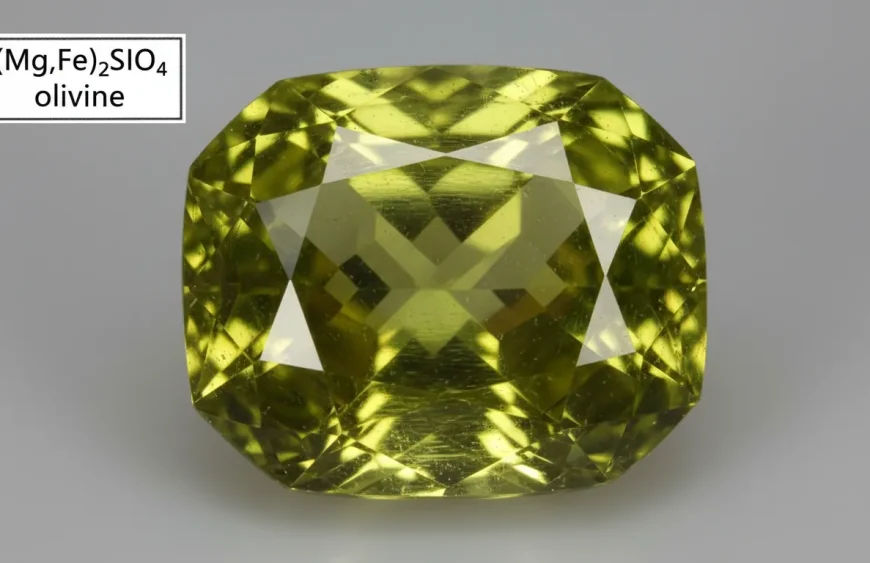
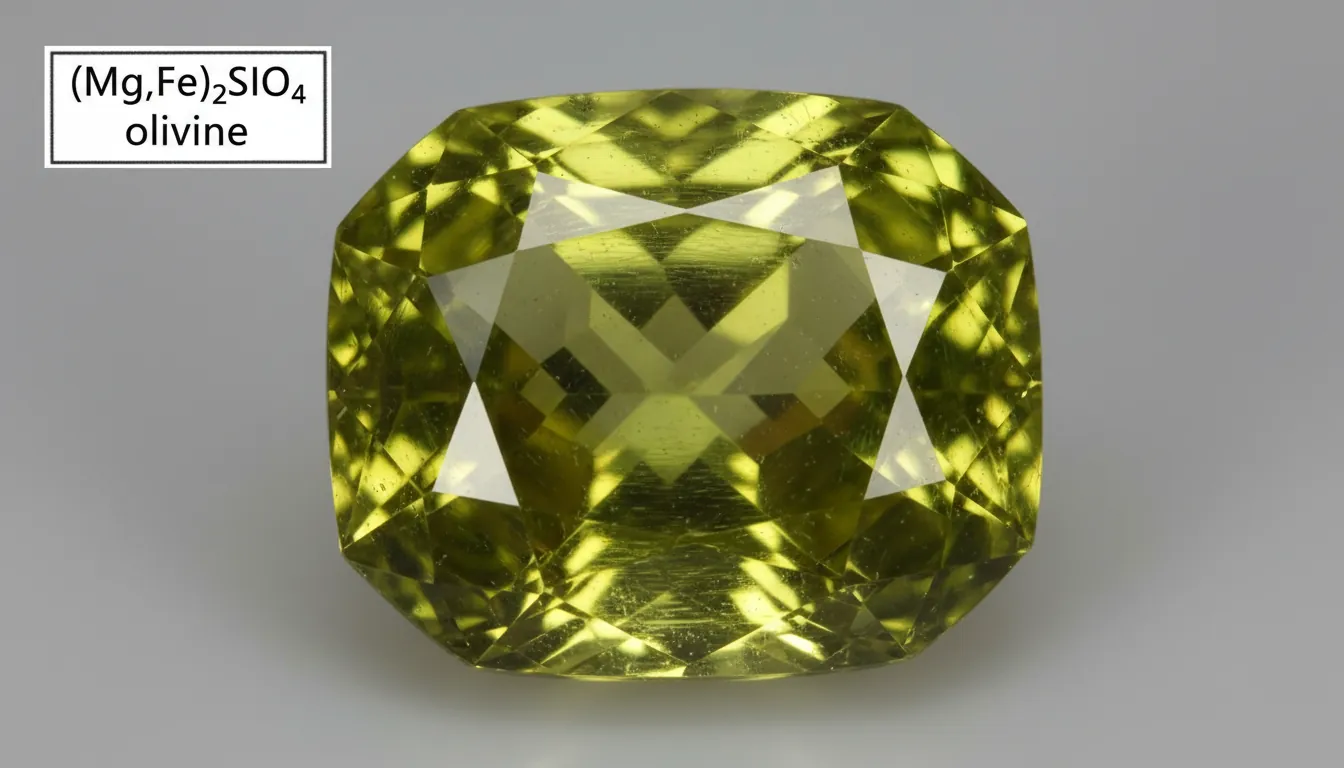
Gemstones peridot are the gem-quality form of olivine, a silicate mineral with the formula (Mg,Fe)₂SiO₄. Unlike many gems where color comes from trace elements, peridot’s green is baked into the mineral itself—iron content shifts the look from yellow-green to deeper olive. In practice, that means peridot tends to look naturally vibrant, even in smaller sizes.
Peridot is also famous for where it can form: deep in Earth’s mantle and carried up by volcanic activity. GIA describes peridot as found in lava, meteorites, and mantle environments—an origin story that feels as dramatic as the color is bright. For the science-backed overview, see GIA’s peridot guide.
The Peridot Color Range: Lime to Olive (And What Looks Best in Jewelry)
If you’re shopping gemstones peridot, color is your first filter. The most loved look is a saturated yellow‑green—bright but not neon—often described as “lime” or “apple green.” Stones that lean too brown or too dark olive can look muted in some lighting, especially in small beads or tiny accent stones.
Here’s how I choose color for wearable pieces:
- Everyday minimal jewelry: medium yellow‑green (stays lively indoors)
- Statement rings/pendants: richer, slightly deeper green (reads “lux” at a distance)
- Warm skin tones: yellow‑green is effortless
- Cool skin tones: cleaner green with less yellow can feel crisp
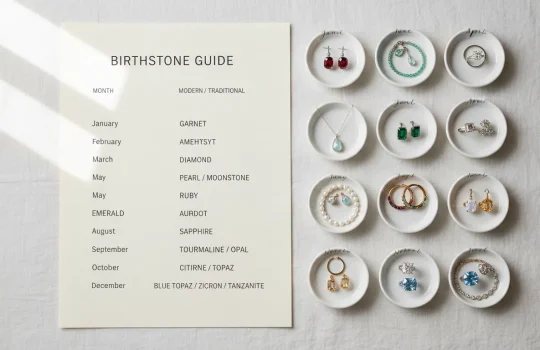
Peridot is also the August birthstone, and the American Gem Society highlights its history and lore around prosperity and good fortune. If you want that birthstone context, start with AGS’s peridot overview.
Peridot Quality Factors (The “4Cs,” but for Real Shopping)
Most people ask, “How do I know I’m getting a good peridot?” I use a simple checklist—because gemstones peridot vary more than photos suggest.
1) Color (most important)
Look for:
- bright yellow‑green to green
- even color across the stone
- no obvious brown overlay unless you specifically like olive tones
2) Clarity (usually good, but check)
Peridot often has visible inclusions, including tiny “lily pad” style features. Some inclusions are normal; big cracks near edges are a durability risk for rings.
3) Cut (what creates the sparkle)
A good cut makes peridot look clean and “lit.” Poor cut can make it look glassy or sleepy. If you’re buying beads, look for consistent polish and smooth drill holes.
4) Carat (size vs. beauty)
Peridot can be affordable in many sizes, but large, high-color stones become rarer and more valuable. Museums even hold impressive specimens—see the Smithsonian’s peridot examples for perspective on scale and provenance: Smithsonian peridot specimens.
| Quality Factor | What to Look For | What to Avoid | Best For (Rings/Necklaces/Bracelets) | Quick Tip |
|---|---|---|---|---|
| Color | Vivid, medium to medium-dark olive to lime green; even saturation | Yellowish, brownish, or muddy tones; noticeable color zoning | Rings/Necklaces | View in daylight and indoor light—peridot can shift warmer under incandescent bulbs |
| Clarity | Eye-clean stone; minimal visible inclusions; good transparency | Black crystal inclusions, large “lily pad” inclusions, cloudy/hazy areas | Necklaces/Bracelets | Small inclusions are common—prioritize “eye-clean” over “flawless” to keep value sensible |
| Cut | Well-proportioned facets; strong brilliance; symmetrical outline | Windowing (see-through center), dull sparkle, off-center culet, poor symmetry | Rings | Ask for a face-up video; if the center looks watery/transparent, it’s likely windowed |
| Size/Carat | Balanced face-up size with good color (often 1–3 ct sweet spot); consistent tone across the stone | Large stones with pale color, visible zoning, or overly shallow cuts | Necklaces | For bigger looks, choose slightly deeper color rather than higher carat to avoid washed-out appearance |
| Setting Metal Choice | 14k/18k yellow gold or rose gold to enhance warmth; well-designed prongs/bezels for protection | Very thin prongs; overly open settings for daily wear; poor metal finish that clashes with green | Rings/Bracelets | For everyday rings, consider a bezel or protective prongs—peridot can abrade with hard knocks |
Peridot Durability: Can You Wear It Every Day?
Peridot sits around Mohs 6.5–7, which is decent but not “set-and-forget.” In my experience making and testing pieces, peridot does best as:
- necklaces and earrings (low impact)
- bracelets if you’re mindful and avoid banging it on desks
- rings only with a protective setting (bezel or halo) and realistic expectations
Because peridot has poor cleavage and can be vulnerable to sharp knocks, it’s not the gem I recommend for rough daily wear in a high-profile ring. If you want a daily ring and love green, consider rotating peridot with tougher stones—or choose a lower profile design.
Where Peridot Comes From (And Why Origin Can Affect Price)
Peridot sources include parts of the US (notably Arizona), Pakistan, Myanmar, China, and historical localities like Zabargad (St. John’s Island) in Egypt. Different deposits can produce different color “personalities”—some brighter, some more olive, some with more inclusions.
For deeper gem-property details (like refractive indices and composition ranges across sources), The International Gem Society’s technical breakdown is one of the clearest references: Peridot value and gemstone information.
Pricing: What Drives the Cost of Gemstones Peridot?
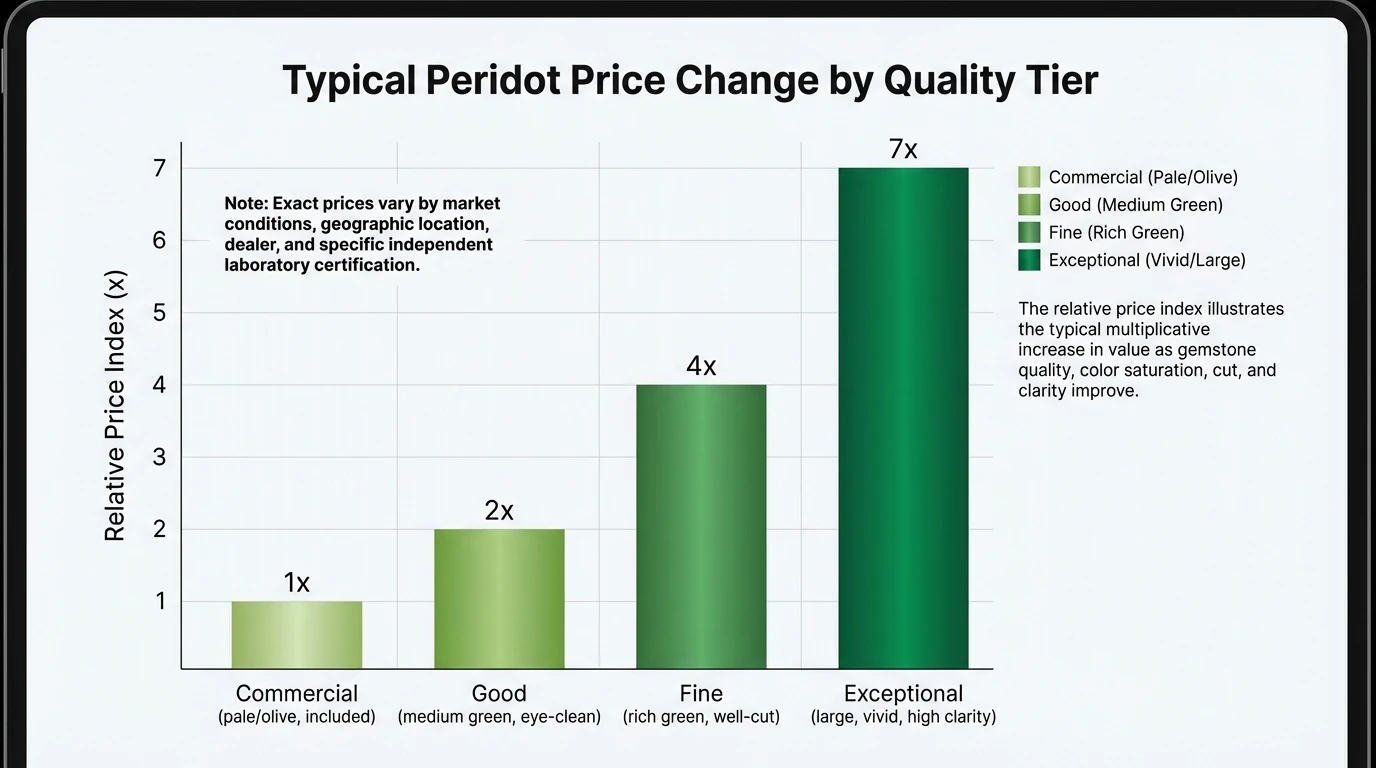
Peridot pricing usually rises with:
- stronger, cleaner green color
- better cut and polish
- higher clarity (especially in larger stones)
- reputable certification or documentation
In practical shopping terms, you’ll often see attractive peridot available at approachable prices in calibrated sizes for jewelry making, then a jump when you want a larger “center stone” with premium color. If you’re comparing listings, always compare color + clarity + cut, not just carat weight.
Peridot Meaning in Wellness Jewelry (With a Grounded Take)
In crystal and wellness circles, gemstones peridot are often linked with themes like emotional renewal, confidence, and releasing what feels heavy. I’ve worn peridot during busy launch weeks because the color itself feels like a reset—fresh, forward, not too “deep” or intense. That said, I always frame crystal meaning as personal practice: your ritual, your intention, your reminder.
If your style leans wellness-forward, try pairing peridot with:
- Freshwater Pearl for calm, clean elegance
- Clear Quartz to keep the look bright and versatile
- Smoky Quartz if you want the green to feel more grounded
At StarryBead, we’re meticulous about natural materials and authenticity because the story matters as much as the shine—especially when you’re buying a gemstone for meaning, not just fashion.
How to Style Peridot Jewelry (So It Looks Expensive, Not Costume)
Peridot’s green can either look “designer fresh” or “too loud”—it depends on styling. These are the combinations I keep coming back to.
Metal pairings
- Yellow gold: amplifies warmth and the yellow-green glow
- White gold/silver: makes the green look cleaner and sharper
- Rose gold: softer contrast; romantic, less “neon”
Outfit color pairings
- White, cream, beige (peridot becomes the highlight)
- Black (high contrast, very modern)
- Navy or denim (casual but polished)
- Soft pinks or mauves (pretty, not childish)
Care Guide: Cleaning Peridot Without Damaging It
Peridot is easy to keep beautiful if you avoid the common mistakes. I’ve seen stones lose their crisp polish from rough cleaning habits more than from “bad stones.”
Do this:
- Clean with lukewarm water, mild soap, soft brush
- Rinse well and pat dry with a microfiber cloth
- Store separately to prevent scratching
Avoid this:
- Ultrasonic cleaners (risk with inclusions and fractures)
- Steam cleaning and sudden temperature changes
- Harsh chemicals (especially if your jewelry has plated components)
Common Buying Mistakes (And How to Avoid Them)
Peridot is straightforward—but online shopping can hide issues. Here are the errors I see most often when customers come to us after a disappointing purchase.
- Buying based on “neon green” edited photos
- Ignoring windowing (stone looks transparent in the center)
- Choosing rings with exposed edges and high profiles
- Skipping authenticity proof when the price feels “too good”
A reliable seller should provide clear photos/video in natural light and be transparent about treatments and origin claims.
Learn Fast: Quick Peridot Buyer Checklist
- Aim for bright yellow‑green with minimal brown
- Choose eye-clean when possible, especially for rings
- Prefer well-cut stones over bigger-but-dull stones
- Pick a protective setting if it’s for daily wear
- Buy from a brand that offers authenticity documentation
PERIDOT BUYING TIPS by NYC Diamond District 800.500.GEMS
A StarryBead Note: Why We Love Peridot in Handcrafted Pieces
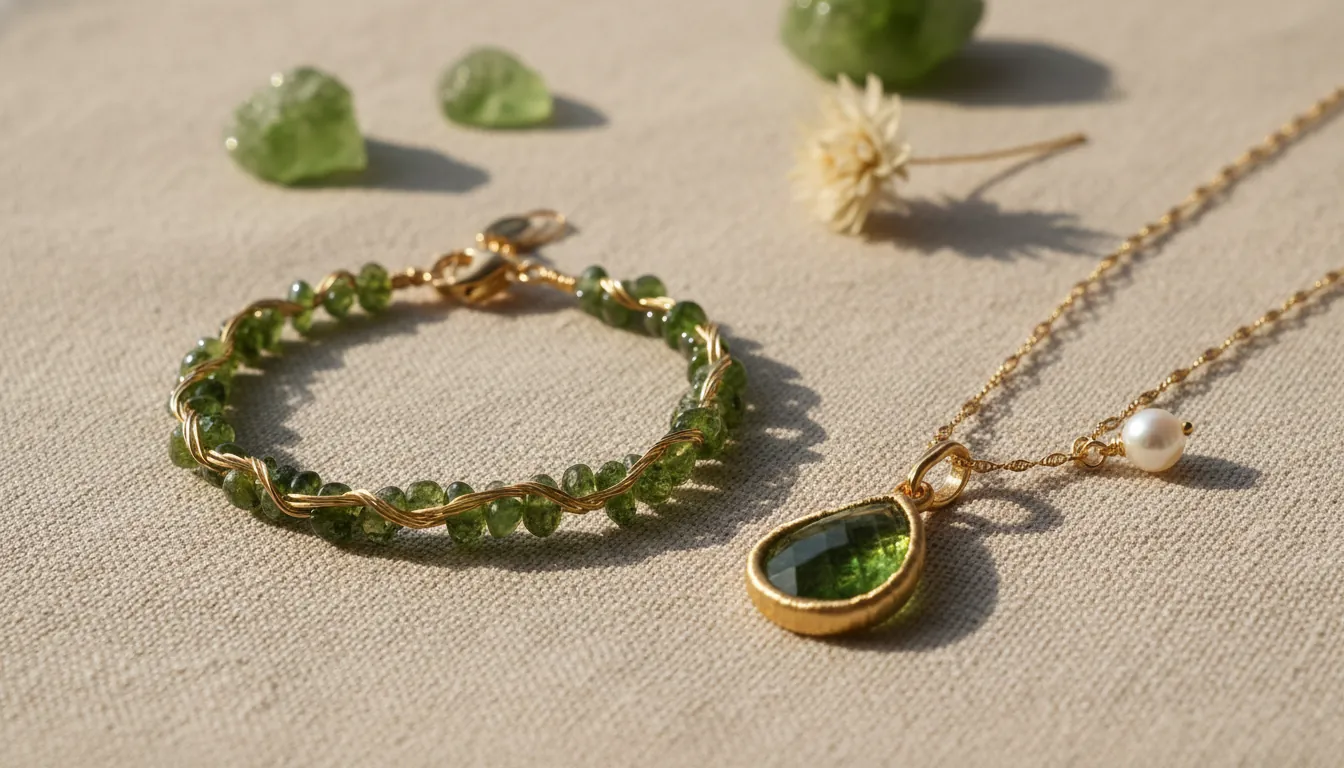
Peridot fits StarryBead’s “inner spark” philosophy perfectly: it’s bright, natural, and uplifting without being flashy. When I test combinations at the workbench, peridot is one of the few greens that plays well with both pearls and crystal classics—making it easy to build a piece that feels personal. If you’re choosing your first peridot, start with a necklace or earrings, then graduate to a ring once you know how you like to wear it.
📌 Browse StarryBead’s natural peridot jewelry and request styling help to match your skin tone, metal preference, and wellness intention
Trusted References (For Deeper Reading)
- Peridot gemstone overview (GIA)
- Peridot overview & August birthstone context (American Gem Society)
- Peridot properties, value, and buying details (International Gem Society)
FAQ: Gemstones Peridot
1) Are gemstones peridot natural or treated?
Many peridot stones are sold untreated, but always ask the seller for disclosure and documentation, especially for higher-value pieces.
2) What does peridot symbolize in crystal jewelry?
Common themes include renewal, confidence, and clearing emotional heaviness—best used as an intention tool rather than a medical claim.
3) Is peridot good for an engagement ring?
It can work, but it’s not the most durable choice. If you choose it, use a protective setting and plan mindful wear.
4) How do I tell if peridot is real?
Look for consistent natural color, realistic pricing, clear photos, and authenticity paperwork. When in doubt, buy from reputable jewelers and labs.
5) What metal looks best with peridot?
Yellow gold enhances warmth, while silver/white gold makes the green look crisp and modern. Your wardrobe colors should guide the choice.
6) How should I clean peridot jewelry at home?
Use mild soap, lukewarm water, and a soft brush. Avoid ultrasonic and steam cleaning.
Conclusion: Let Peridot Be Your “Green Light”
If gemstones could talk, gemstones peridot would be the friend who nudges you forward—bright, warm, and quietly brave. It’s a gem with real geology behind it, a color that flatters almost everyone, and enough durability for daily life when set and cared for well. If you’re ready to add a piece that feels like a fresh start, explore peridot in a style you’ll actually wear.
Share in the comments: do you prefer lime-green peridot or deeper olive tones—and what would you wear it as first?