On nights when my brain won’t stop spinning, I reach for one piece of jewelry that feels like a “soft reset”: moonstones. The glow isn’t loud like glitter or flashy like diamonds—it’s quieter, like moonlight caught under the surface. If you’ve ever wondered why moonstones look like they’re lit from within, how to tell a real moonstone from an imitation, or which setting actually protects it, you’re in the right place. We’ll cover the beauty and the practical buying details, plus how moonstones fit into a modern wellness-and-style routine.
What Are Moonstones, Really?
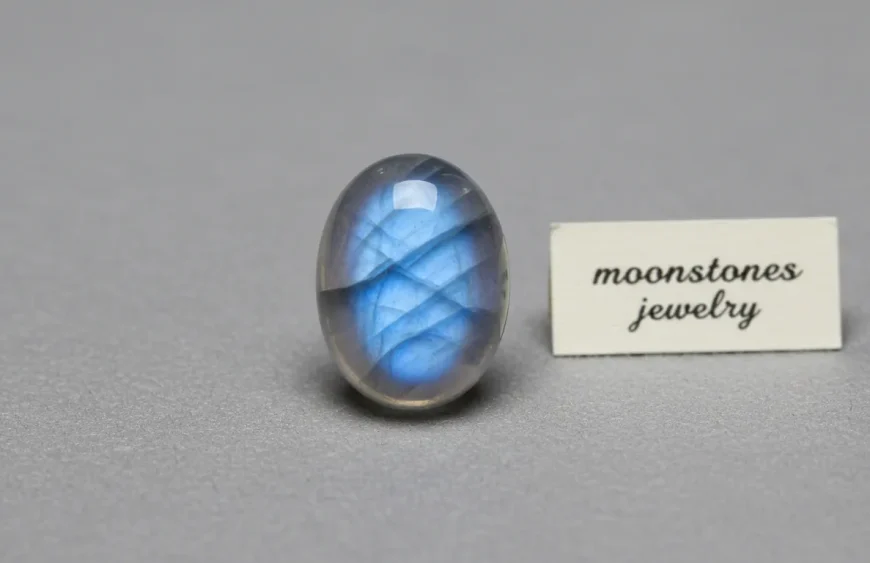
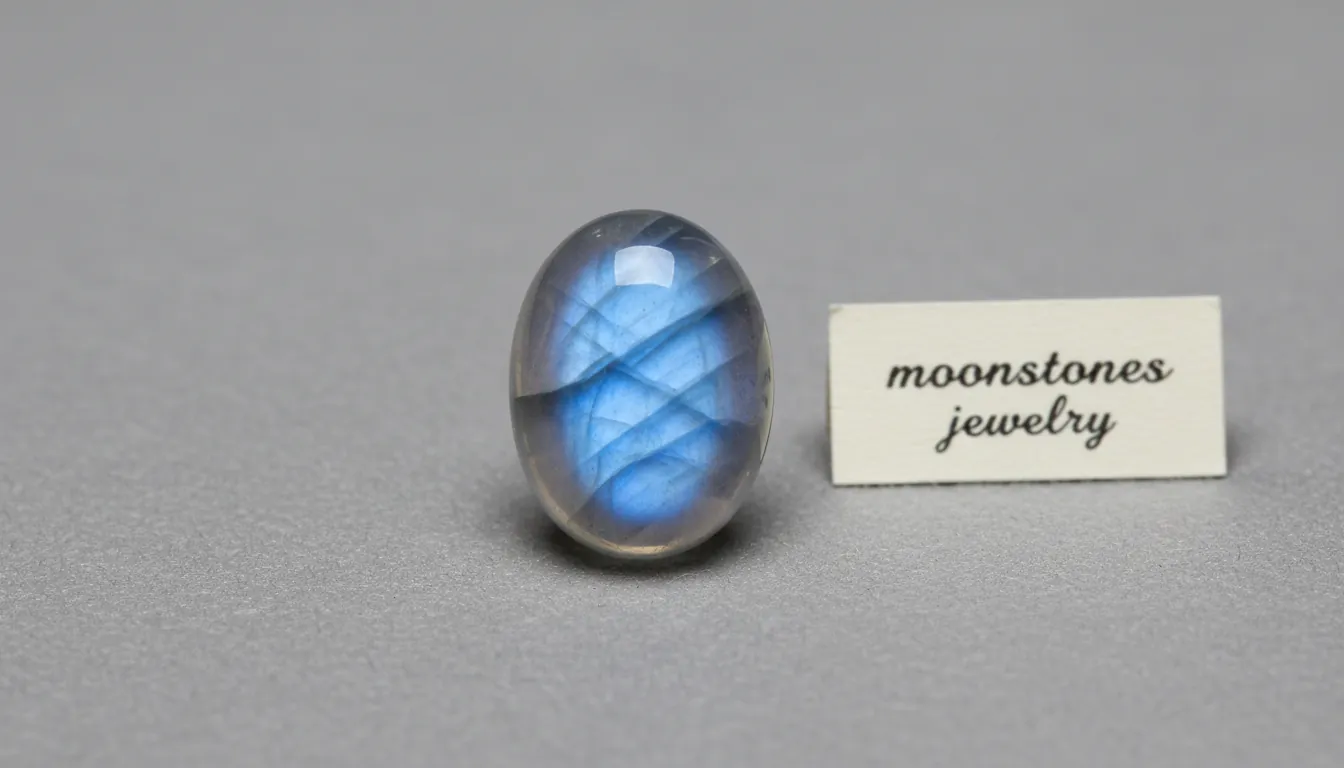
Moonstones are gemstones in the feldspar family, prized for an optical effect called adularescence—a floating sheen that moves across the surface as you tilt the stone. That shimmer comes from light scattering/diffraction through thin, closely spaced layers inside the crystal, not from glitter or coatings. Museums and gem institutions describe moonstone as one of the most valued feldspar gems precisely because this effect can look like a calm blue “inner light.” For a grounded overview of the stone’s gem identity, you can start with the GIA Moonstone Description and the Smithsonian specimen notes on moonstone.
Moonstones show up in many jewelry styles because they’re easy to love at first glance, and they pair well with both minimalist and boho looks. In my own testing while styling product sets, moonstones consistently photograph best when they’re cabochon-cut (smooth dome) because that shape maximizes the sheen.
- Family: Feldspar
- Signature look: Adularescence (“moon glow”)
- Common cuts: Cabochon, carvings (to highlight the glow)
Moonstone Meaning (Wellness + Symbolism Without the Hype)
In wellness circles, moonstones are often called a stone of new beginnings, intuition, and emotional balance. Many wearers choose moonstones during life transitions—new jobs, moves, breakups, healing seasons—because the stone’s energy is described as soothing and reflective rather than energizing and intense. I’ve personally worn moonstones during high-output weeks when I needed calmer decision-making, and what I noticed most wasn’t “magic”—it was the ritual: putting on a piece that reminds me to slow down and trust my next step.
Common moonstone intentions people set include:
- Emotional steadiness during change
- Self-reflection and intuition-building
- Gentle confidence (less “push,” more “flow”)
If you enjoy the metaphysical side, treat it as supportive symbolism, not a medical claim. For a broader gem-focused look at moonstone lore and buying factors, the International Gem Society’s guide is helpful: Moonstone gem information (IGS).
Why Moonstones Glow: Adularescence in Plain English
Adularescence is the “secret sauce” behind great moonstones. The stone contains alternating internal layers (often described in feldspar as intergrowth of different feldspar phases) that interact with light. When light hits those layers, it scatters and creates a moving sheen that appears to float under the surface. That’s why a top moonstone doesn’t just look shiny—it looks alive when you tilt it.
If you’re shopping online, look for:
- Videos showing the stone moving under light
- A sheen that travels smoothly, not patchy glare
- A “body” that is translucent to transparent, ideally with minimal cloudiness (for premium grades)
Types of Moonstones (And the “Rainbow Moonstone” Confusion)
In everyday jewelry listings, you’ll see several “types,” and the naming can get messy. Some sellers use “rainbow moonstone” for stones that are actually a variety of labradorite—related in the feldspar family but not the same material. Even gem authorities note this trade naming overlap, so it’s worth reading descriptions carefully (the GIA mentions this labeling issue directly).
Here’s the practical takeaway: ask what material it is, and buy from a brand that’s transparent about sourcing and verification.
- Classic moonstone: softer glow, often blue/white sheen
- Peach/gray/brown moonstone: warmer body color, subtler sheen
- “Rainbow moonstone” (often labradorite): more colorful flashes; verify labeling
| Type/Trade Name | Typical Look | What to Verify | Best Jewelry Use |
|---|---|---|---|
| Classic moonstone | Milky/white body with soft blue-white adularescence (glow) that moves across the stone | Natural feldspar moonstone (orthoclase/adularia); check for even adularescence, good polish, minimal cracks | Pendants & earrings (safer), occasional ring with protective setting |
| Blue moonstone | Transparent to semi-transparent with strong blue sheen (often “blue flash”) | Confirm it’s feldspar moonstone (not synthetic or mislabeled); look for true adularescence rather than surface coating | Premium rings (bezel/halo), pendants, studs |
| Peach moonstone | Warm peach to tan body color with subtle white/blue sheen; sometimes a “glittery” look | Verify natural color (not dyed); confirm it’s moonstone feldspar (not sunstone); check clarity and durability issues | Bracelets & earrings; rings in protected settings |
| Gray moonstone | Smoky gray body with silvery/blue sheen; can look moody and reflective | Confirm feldspar moonstone; check for overly dark stones with weak adularescence; inspect for fractures | Men’s-style rings (bezel), pendants, cufflinks |
| “Rainbow moonstone” (often labradorite) | Clear to dark body with vivid multicolor flashes (blue/green/yellow) | Verify material: feldspar moonstone vs labradorite (true “rainbow moonstone” in trade is usually labradorite); ask for species identification | Statement rings & pendants; earrings (great for strong flash without heavy wear) |
| Star moonstone (if present) | Star-shaped asterism (usually 4- or 6-ray) over a cabochon; often milky/gray | Confirm true asterism (not etched/film); look for centered, sharp star and correct cabochon cut | Rings (best in bezel) and pendants; avoid rough daily wear |
Moonstone Value: What Makes One Stone More Expensive?
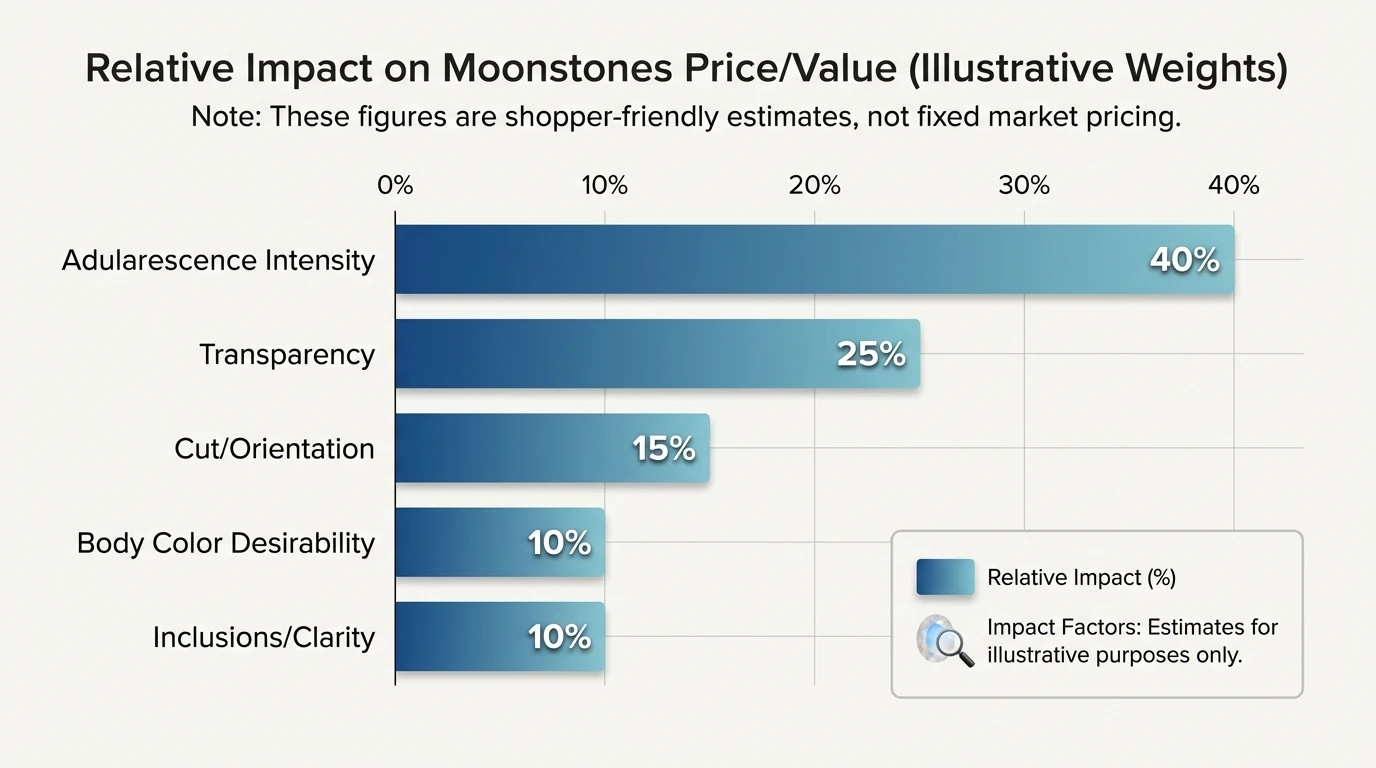
Moonstones range from affordable to collector-grade. Pricing is mostly driven by quality of adularescence, body transparency, and overall appearance rather than size alone. The most prized look is often described as a strong blue sheen on a clearer background—a combination highlighted by major gem institutions.
Key value factors:
- Sheen color & intensity: vivid blue is often premium
- Transparency: clearer stones can look more “lit”
- Evenness: glow should spread gracefully, not in dull patches
- Cut quality: good dome + orientation = better glow
- Visible inclusions: acceptable in many stones, but heavy cloudiness lowers value
How to Tell if Moonstones Are Real (Real vs Fake Checklist)
I’ve handled enough gemstone inventory to say this plainly: most “fake moonstone” disappointments happen because the listing photos were static or the seller used vague language. Real moonstones should show a moving internal sheen, not a surface sparkle.
Use this quick checklist when buying moonstones online:
- Look for motion proof: a short clip or multiple angles; adularescence should shift with tilt.
- Check the description: do they state “feldspar moonstone” vs “labradorite/rainbow”?
- Ask about treatments: reputable sellers disclose any stabilization or coatings.
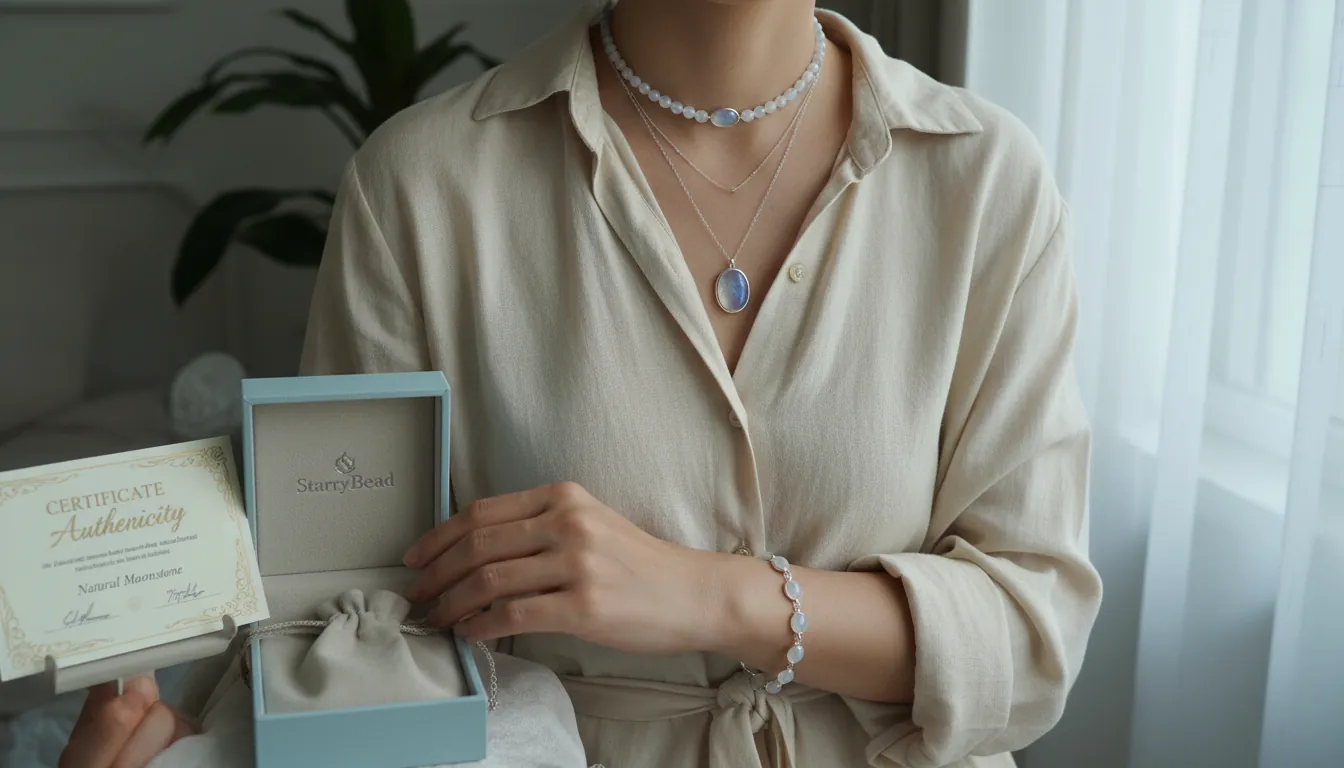
- Request documentation: certificates or authenticity guarantees reduce risk.
- Beware “too perfect” glow: an overly uniform, glassy effect can signal imitation materials.
For deeper background on the gemstone identity and trade terms, see Moonstone (gemstone) as a starting reference.
Is Moonstone Good for Rings? Yes—If You Set It Right
Moonstones are stunning in rings, but they can be more prone to scratching than harder gems. In real life, that means your setting choice matters more than your zodiac sign. When I’m choosing moonstones for daily wear, I prefer protective designs that reduce edge impacts.
Best setting tips for moonstones:
- Choose a bezel or halo setting to protect edges
- Avoid ultra-high prongs if you’re hard on your hands
- Consider moonstones for earrings/pendants if you want low-maintenance wear
- Take rings off for workouts, cleaning, gardening, and heavy lifting
How to Wear Moonstones (Style + “Energy” Pairings)
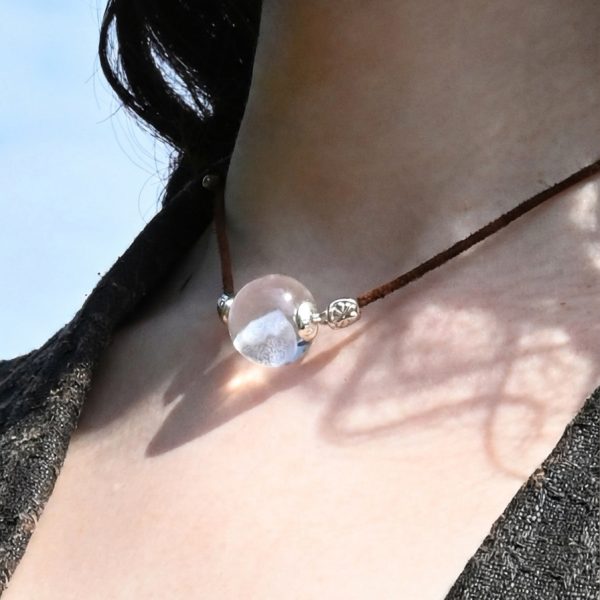
Moonstones are versatile: they read “clean and modern” in silver, and “romantic and warm” in gold. For wellness styling, many people like moonstones as a daily anchor—something you touch before a meeting or during a commute to reset your focus.
Style ideas that work in real outfits:
- Minimalist: a small moonstone pendant with a crisp white shirt
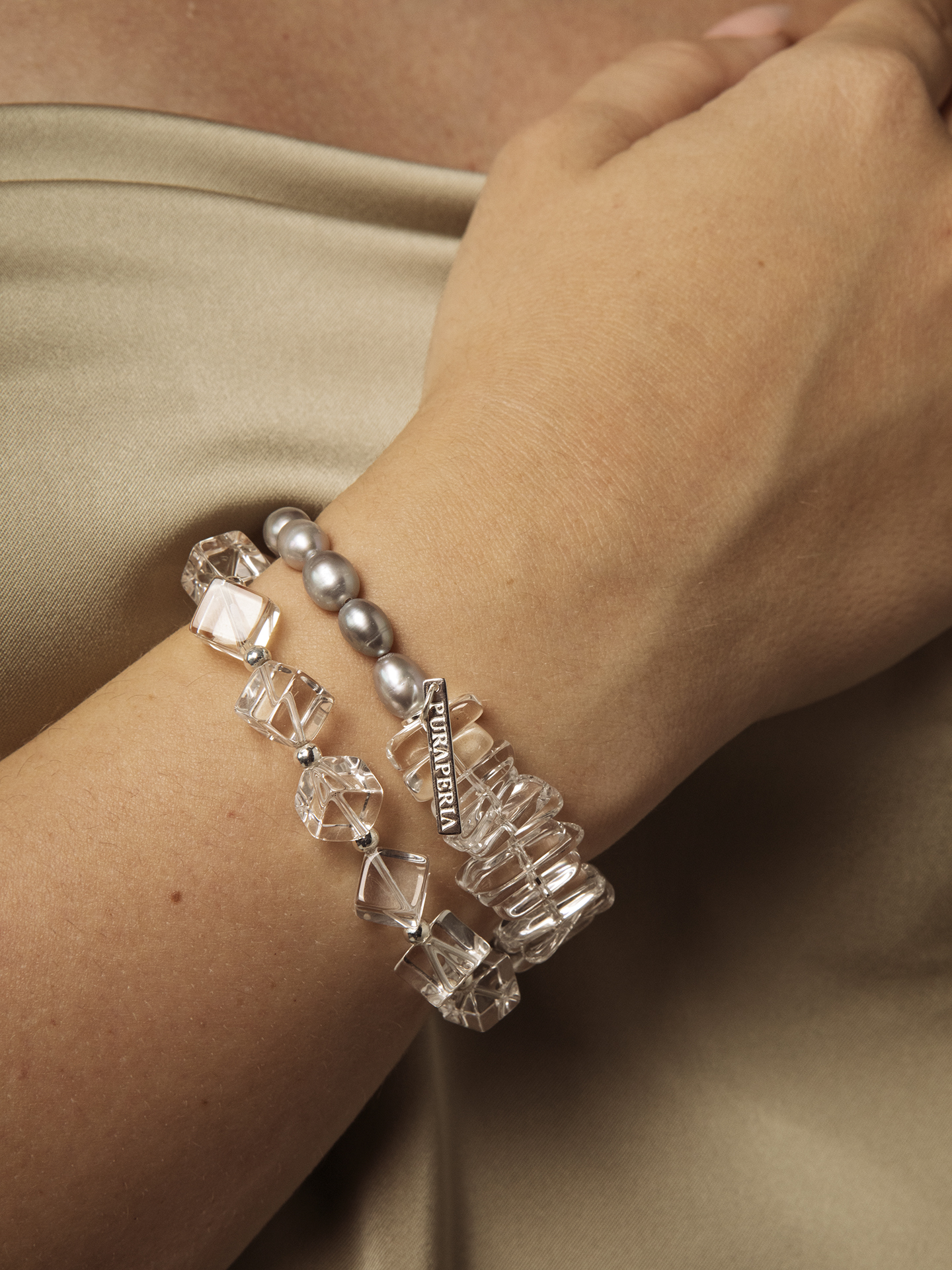
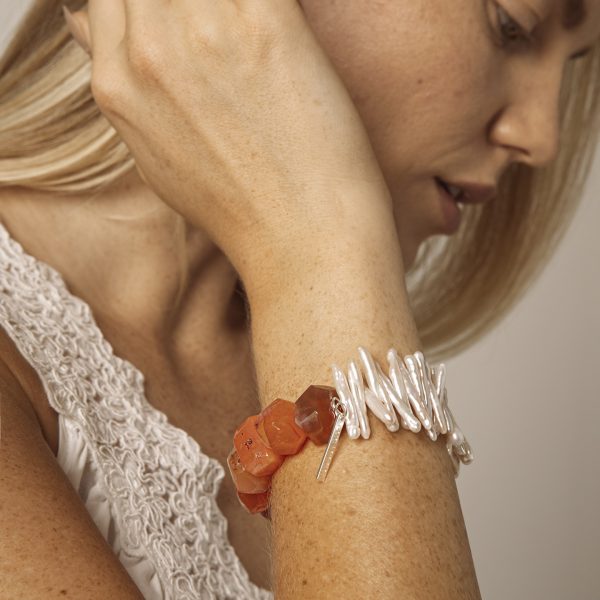
- Layered: moonstone + pearl + clear quartz for a soft, luminous stack
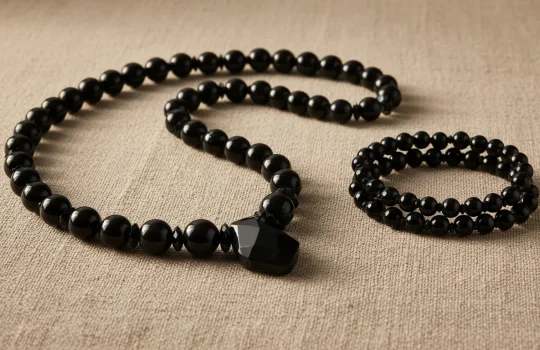
- Grounded contrast: moonstones with black tourmaline for “calm + steady” vibes
- Color harmony: pair with aquamarine for a cool, ocean-to-moon palette
If you’re building a cohesive gemstone wardrobe, moonstones layer beautifully with stones StarryBead already features—like Freshwater Pearl, Clear Quartz, Smoky Quartz, Amethyst, Aquamarine, and Black Tourmaline—because they share a light-reflective, calming visual story.
Caring for Moonstones: Cleaning, Storage, and What to Avoid
Moonstones reward gentle care. Think of them like a delicate fabric: they last longer when you avoid harsh treatment.
Practical care routine:
- Clean with lukewarm water, mild soap, and a soft cloth
- Avoid ultrasonic or steam cleaners unless a professional approves the setting
- Store separately to prevent harder gems from scratching the surface
- Put moonstone jewelry on after hairspray, perfume, and lotions
Buying Moonstones Online: A Simple “No-Regrets” Checklist
When you can’t see a stone in person, clarity in product pages matters. The best online experience usually includes crisp photos, transparent labeling, and customer support that answers specifics.
Before you click “buy,” check:
- Is the adularescence shown in video or multiple angles?
- Do you get authenticity assurance (certificate or clear guarantee)?
- Are there clear policies for returns and support?
- Does the seller explain what “rainbow moonstone” means in their shop?
If you’re comparing loose stones, browsing established catalogs can help you calibrate expectations around sizes and varieties (for example, listings like GemSelect’s moonstone collection show how widely shape, color, and pricing can vary).
Real or Fake? How to Spot the Difference of Moonstone with Karen Hui
Moonstones at StarryBead: Where Craft Meets Meaning
At StarryBead, the goal isn’t just “pretty accessories.” It’s jewelry that helps you reclaim your inner spark—through design, material integrity, and the small daily ritual of wearing something that means something. Moonstones fit that mission naturally: they’re luminous, emotionally resonant, and easy to style across seasons.
If you’re pairing moonstones with other pieces, these guides can help you build a balanced look:
- Crystal jewelry care guide
- How to layer necklaces without tangling
- Gemstone authenticity: what certificates mean
FAQ: Moonstones (Common Search Questions)
1) What are moonstones made of?
Moonstones are feldspar gemstones, valued for adularescence—an internal sheen caused by light interacting with thin layers inside the crystal.
2) Are moonstones real gemstones or glass?
Real moonstones are natural gemstones (feldspar). Some imitations use glass or synthetic materials, so look for moving adularescence and clear seller verification.
3) What is the difference between moonstone and rainbow moonstone?
“Rainbow moonstone” is often trade-named for labradorite (also feldspar) and may show stronger multicolor flashes. Check the material disclosure.
4) Are moonstones expensive?
They can be affordable or premium. Price depends mainly on the strength and beauty of the sheen, transparency, and cut quality.
5) Can I wear moonstone every day?
Yes, but be mindful—especially with rings. Choose protective settings and avoid rough activities that can scratch the stone.
6) How do I clean moonstone jewelry safely?
Use mild soap, lukewarm water, and a soft cloth. Avoid harsh cleaners and store it separately from harder gemstones.
7) What does moonstone symbolize?
Many people associate moonstones with new beginnings, intuition, and emotional balance. Wear it as a reminder and ritual rather than a cure.
Conclusion: Let Moonstones Be Your “Quiet Light”
Moonstones don’t scream for attention—they glow when you move, like they’re responding to you. That’s the charm: a gemstone that feels both fashionable and personal, with enough science behind its beauty to stay fascinating. If you’re ready to choose moonstones that look luminous and last, focus on adularescence, smart settings, and trustworthy sellers who clearly label what you’re buying.
📌 Invite readers to explore StarryBead’s moonstones jewelry collection, sign up for restock alerts, and comment with the style they want (ring/necklace/bracelet) so a gem stylist can recommend pairings