The first time a topaz stone caught my eye…
It was under a jeweler’s bench light—the kind that doesn’t flatter anything. The stone still looked like it had a tiny sunrise trapped inside: warm, clear, and oddly calming. If you’ve ever wondered why topaz stones keep showing up in heirloom rings, modern wellness jewelry, and “this is so me” everyday pieces, you’re in the right place. We’ll break down what topaz is, what the colors mean, how to spot quality, and how to wear it so it feels like more than an accessory.
What are topaz stones? (Simple facts, no fluff)
Topaz stones are a gemstone variety of the mineral topaz, valued for their clarity, color range, and durability. Mineralogically, topaz is an aluminum silicate with fluorine and hydroxyl, and it forms in the orthorhombic crystal system. On the Mohs scale it’s 8, which makes it a strong choice for jewelry you’ll actually wear, not just admire.
A detail many buyers miss: topaz has perfect cleavage, meaning a hard knock at the wrong angle can chip it. That doesn’t make it “fragile,” but it does mean settings and daily habits matter more than with some other gems. For a technical overview, see GIA’s Topaz Buyer’s Guide and the mineral data on Topaz (Wikipedia).
Topaz stones meaning (and how people use it in wellness jewelry)
In crystal and wellness circles, topaz stones are often associated with mental clarity, grounded confidence, and emotional balance—especially when worn close to the body as necklaces or bracelets. In my experience designing gemstone pieces, topaz tends to be chosen by people who want a “clean” energy: not too heavy, not too airy, just steady. That said, these meanings are spiritual traditions, not medical claims—wear it for intention, beauty, and personal symbolism.
Common intention pairings I’ve seen work well in styling:
- Topaz + Clear Quartz for focus and “reset” energy
- Topaz + Citrine for optimism and momentum
- Topaz + Smoky Quartz for calm boundaries and grounded confidence
If you’re building a cohesive look with mixed stones, StarryBead-style combinations often feel most wearable when you keep the metal tone consistent and vary stone color subtly (one hero stone + two supporting stones).
Colors of topaz stones (and what drives price)
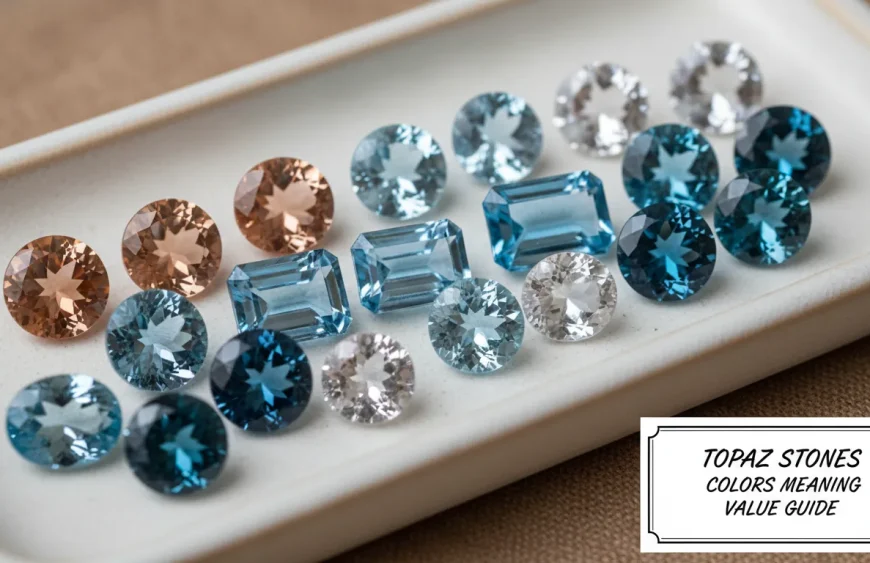
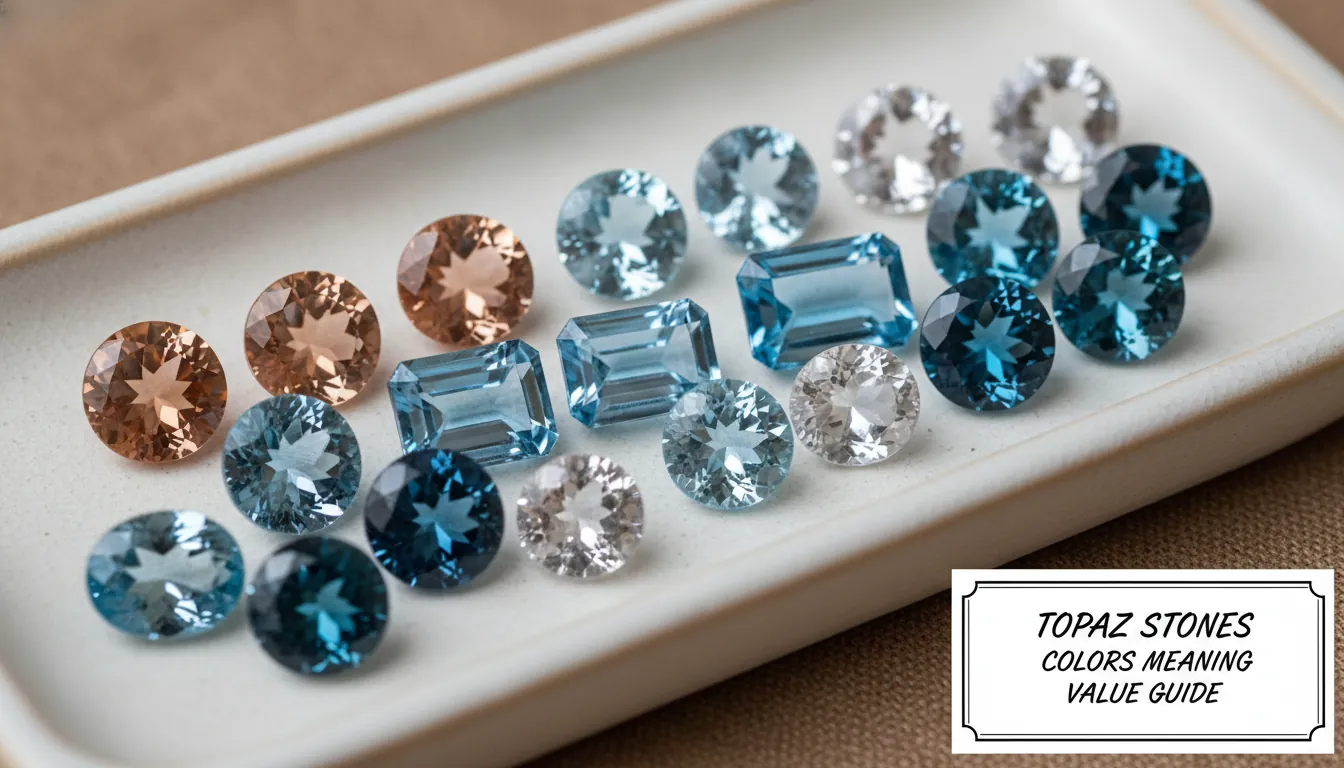
Topaz comes in more shades than most people expect: colorless, yellow, orange, pink, red, and multiple blues. Historically, “topaz” was used to label many yellow stones, which is part of why shoppers still assume it’s always golden. The American Gem Society’s topaz overview explains this color history well.
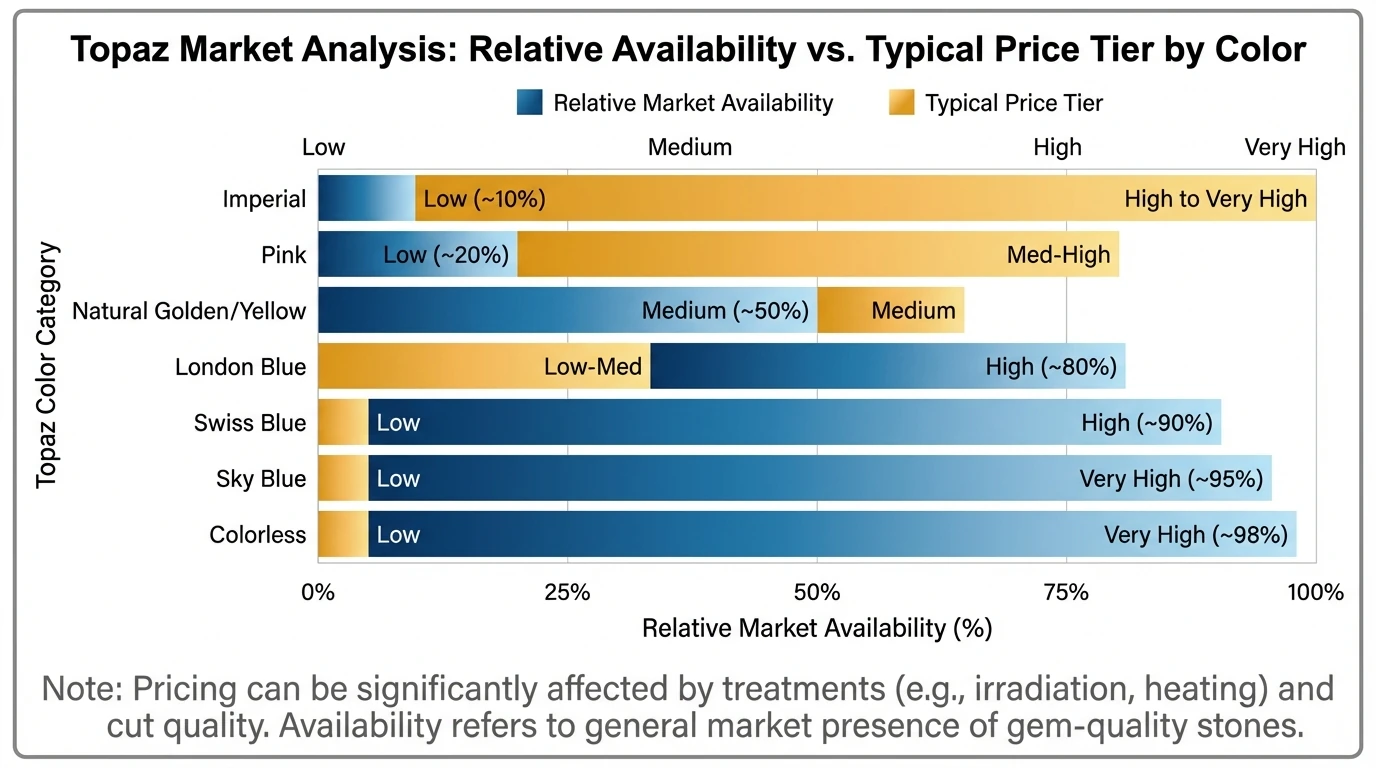
Here’s the real-world buying truth: color + rarity + treatment tend to shape value more than size alone.
Quick guide to popular topaz colors
- Imperial topaz (orange to pinkish-orange): among the most prized and often higher value.
- Blue topaz (sky / Swiss / London): widely available and beloved for crisp, modern color; many blue stones are treated to reach stable hues.
- Colorless topaz: bright and clean; sometimes used as an affordable “clear gem” option.
- Pink topaz: can be rarer; always ask about treatments and provenance.
Natural vs treated topaz stones: what to ask before you buy
If you’re shopping for topaz stones, it’s smart to assume you’ll encounter treatments—especially in blue colors. Treatments aren’t automatically “bad,” but transparency matters for value and expectations.
Ask these questions (and expect clear answers):
- Is the color natural or treated? (Heat/irradiation is common for blue.)
- Is it natural or lab-grown? Some retailers carry both.
- Is there a certificate or gem report? This builds trust for higher-value stones.
When I’m sourcing stones for jewelry, I also look for consistency: even color across the face-up view, minimal windowing (a see-through “hole” effect), and a cut that returns light, not just size.
| What to Check | Why It Matters | What “Good” Looks Like | Red Flags |
|---|---|---|---|
| Color (evenness) | Uneven color can reduce beauty and value | Rich, consistent hue across the face-up view; minimal zoning; pleasing tone/saturation | Noticeable color banding/zoning; washed-out or overly dark areas |
| Clarity (eye-clean) | Visible inclusions can affect appearance and durability | Eye-clean at normal viewing distance; inclusions minimal and not distracting | Cracks/feathers reaching the surface; obvious inclusions; cloudy areas |
| Cut (no windowing) | Cut quality drives brilliance and apparent color | Good symmetry; lively sparkle; no “see-through” window when viewed face-up | Large windowing; dull/flat look; uneven facets; poor proportions |
| Treatment disclosure (clear) | Treatments impact value, care, and resale | Seller clearly states any heat/irradiation; provides documentation if applicable | Vague answers; “natural” claims without details; reluctance to disclose |
| Certification (available for high-value stones) | Independent reports support authenticity and pricing | Reputable lab report for expensive pieces; matches stone details (weight, dimensions) | No paperwork for high-priced stone; unverifiable lab; mismatched details |
| Setting suitability (protective design for daily wear) | Protects edges and reduces chipping risk in regular use | Bezel/halo or sturdy prongs; protected corners/edges; appropriate for the stone shape | Exposed corners; high-set stone; flimsy prongs; thin/sharp girdle exposed |
How to choose topaz stones for jewelry (bracelets, rings, necklaces)
Topaz works beautifully across styles—from minimal to statement—because it’s bright and clean in most cuts. But different jewelry types need different priorities.
For rings (most impact, most risk)
Rings take the most knocks, so prioritize protection:
- Choose bezel or halo settings when possible.
- Avoid ultra-exposed corners unless you love a careful-luxe lifestyle.
- Consider slightly smaller stones with better cut—sparkle reads “expensive.”
For necklaces (best for everyday intention)
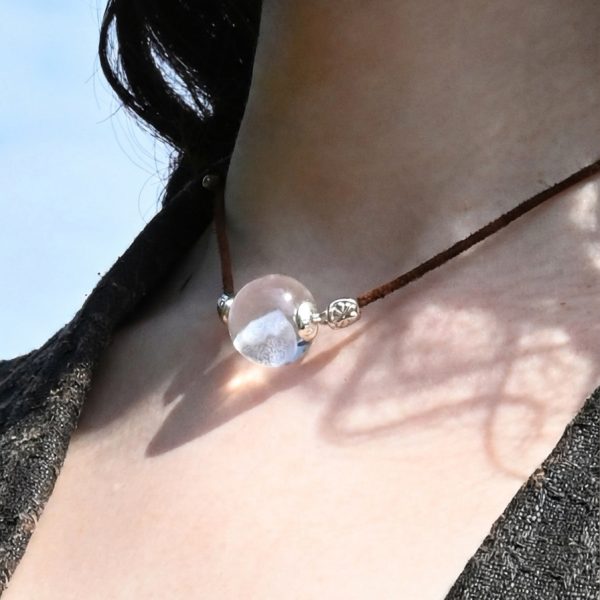
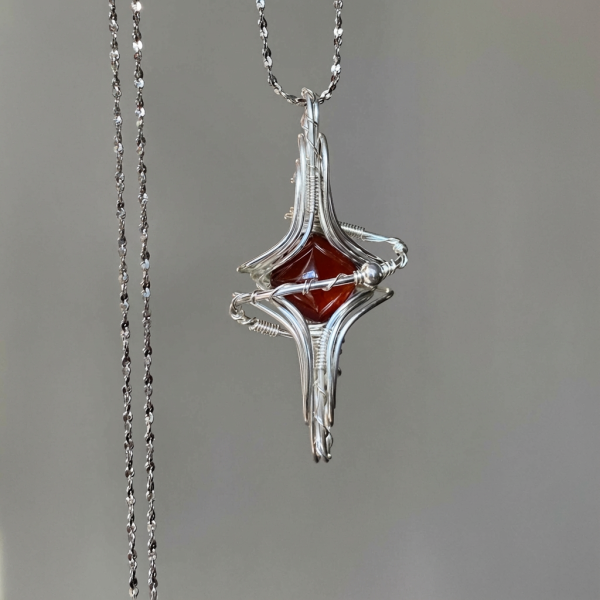
Necklaces keep topaz safer and closer to the heart space, which is why they’re popular in meaning-led pieces. A simple pendant also lets the stone do the talking—great for blue topaz and imperial tones.
For bracelets (movement + glow)
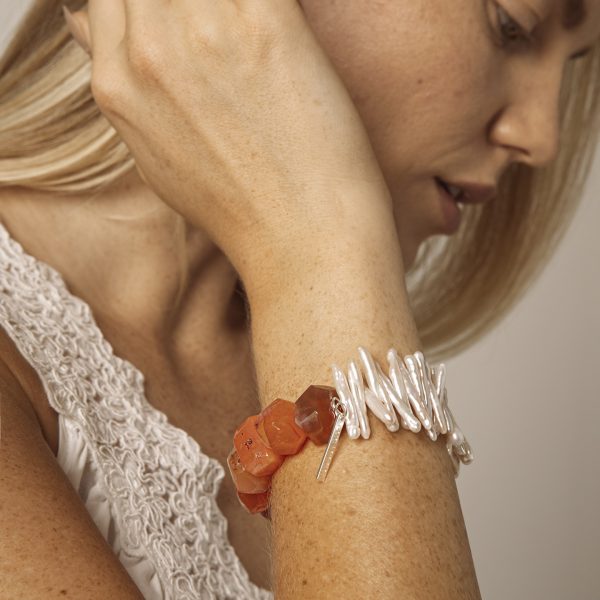
Bracelets catch light constantly, which makes topaz look lively. If you’re wearing with other wellness stones, pair with neutrals like quartz or smoky tones for balance.
If you like to coordinate with other gemstones StarryBead carries, these internal guides can help you build a set:
Topaz stones value: what actually makes one “worth it”
Price can swing widely, so it helps to think like a gem buyer for 60 seconds. Value typically comes from:
- Color desirability: imperial and strong pinks often command more.
- Clarity: topaz is often quite clean; cloudy stones feel dull.
- Cut quality: precision cutting can make a stone look larger and brighter.
- Carat size: important, but secondary to color and cut in many cases.
A practical way to shop: decide your “non-negotiable” first (color, budget, or meaning), then optimize everything else. If you’re browsing inventories online, compare shapes and cuts like you would in a curated catalog (you’ll often see round, oval, cushion, pear, marquise, etc., similar to assortments shown by many gemstone retailers).
Caring for topaz stones (so they stay luminous)
Topaz is durable, but it rewards gentle care.
- Clean with warm water + mild soap and a soft brush.
- Store separately to avoid scratches from harder stones or sharp metal edges.
- Take off before heavy lifting, gym work, or anything with impact risk.
- If you use ultrasonic or steam cleaning, confirm with a jeweler first—settings and treatments can change what’s safe.
How topaz stones fit StarryBead’s “wear your energy” approach
Topaz is a natural bridge between fashion and intention: it reads clean, elevated, and modern, while still carrying a story. In collections built around emotional balance and clarity, topaz plays the role of the “steady light”—the piece you reach for when you want to feel composed, not costume-y.
If you’re building a personal stack, try this simple formula:
- 1 hero gemstone (topaz tone that matches your vibe)
- 1 clarity stone (clear quartz)
- 1 grounding stone (smoky quartz or black tourmaline)
Topaz EXPLAINED: Real vs Fake, Colors, Birthstones & Rare 30-Pound Gem | Todd Alan Studios
FAQ: Topaz stones (quick answers people search for)
1) Are topaz stones real gemstones?
Yes. Topaz is a natural mineral gemstone (Mohs hardness 8) used widely in fine and fashion jewelry.
2) What color topaz is most valuable?
Often imperial topaz (orange to pinkish-orange) ranks among the most valuable. Value depends on color saturation, clarity, cut, and treatment disclosure.
3) Is blue topaz natural?
Blue topaz exists in nature, but many vivid blue stones on the market are treated (commonly irradiated and/or heat-treated). Reputable sellers disclose this.
4) What is the meaning of topaz stones in spirituality?
Many traditions associate topaz with clarity, calm confidence, and emotional balance. These are symbolic beliefs, not medical claims.
5) Can topaz stones be worn every day?
Yes, with smart wear habits. Because topaz has perfect cleavage, avoid sharp impacts and choose protective settings for rings.
6) How do I know if topaz stones are authentic?
Buy from sellers who provide transparent treatment info and, for higher value stones, a gem report or certificate. Evaluate cut, clarity, and consistency in photos/video.
7) Is topaz a birthstone?
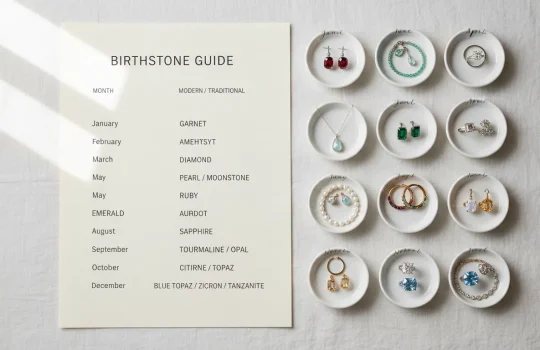
Topaz is commonly associated with November as a birthstone (alongside citrine in many modern lists).
Conclusion: the topaz stone that “fits” is the one you’ll actually wear
Topaz doesn’t beg for attention—it earns it. Whether you choose a calm blue for everyday clarity or a warm imperial tone that feels like inner fire, topaz stones are at their best when they become part of your routine and your story. If you want help pairing topaz with other natural gems for a look that’s both stylish and intentional, tell me your preferred metal tone, your daily outfits, and the feeling you want more of.
📌 Invite readers to explore StarryBead’s natural gemstone jewelry collections, compare crystal pairings, and share in comments which topaz color they feel most drawn to—plus encourage sharing the article with a friend shopping for a November birthstone gift