There’s always that moment: you open a jewelry box, and a green spark catches the light like a fresh leaf after rain. If you’re shopping for birthstones emerald jewelry (or you already own a piece), the excitement quickly turns into practical questions. Is it real or fake? Why do prices swing so wildly? And how do you keep that green looking alive without accidentally damaging it?
I’ve handled emerald pieces that looked “perfect” but felt suspiciously glassy, and others with tiny internal gardens (inclusions) that were absolutely authentic—and more beautiful for it. Let’s break down what birthstones emerald really means, how to judge quality like a pro, and how to care for emeralds so they stay stunning for years.

What “Birthstones Emerald” Means (and Why It’s May’s Icon)
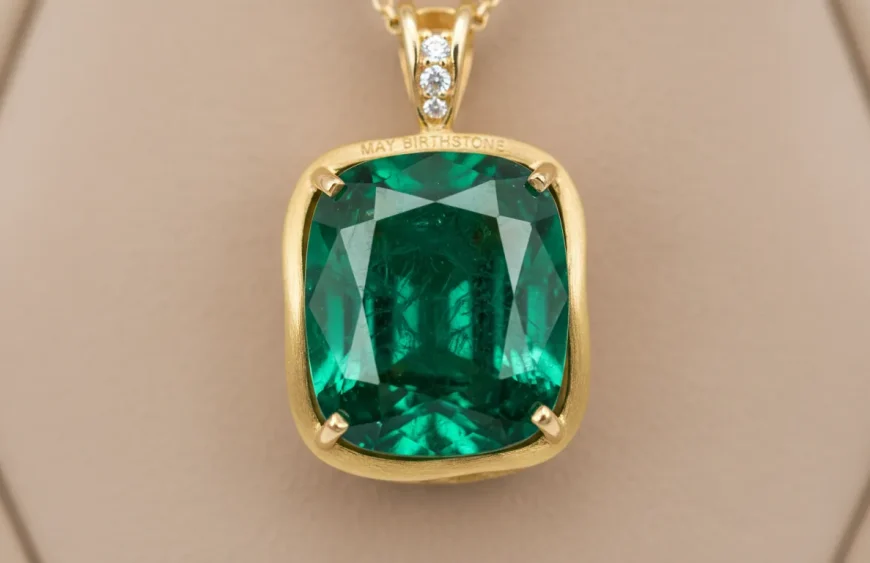
Birthstones emerald typically refers to emerald as the traditional birthstone for May. Emerald is a green variety of the mineral beryl, prized for color first and sparkle second—its glow is often softer than a diamond’s brilliance, but the depth of green is what people fall in love with.
Emerald’s cultural story is part of its pull. It’s long been linked with renewal and springtime energy, and it’s also a classic milestone gem (often associated with major anniversaries). For a reliable, gem-focused overview, the GIA May birthstone guide is a strong starting point.
Key takeaway for buyers:
- If you’re choosing birthstones emerald jewelry as a gift, you’re buying both a gem and a symbol—rebirth, growth, and grounded confidence are common associations.
Real vs Fake Emerald: What to Look For (Without a Lab)
In the real world, “fake” can mean three different things:
- Imitation (glass or green stone sold as emerald)
- Synthetic emerald (lab-grown emerald with the same chemistry/structure)
- Treated natural emerald (real, but enhanced—often with oil/resin)
Natural emeralds commonly have inclusions, often called jardin (garden). A stone that looks too flawless at a bargain price should trigger questions, not celebration.
Quick at-home clues (not a guarantee, but helpful)
- Look for inclusions: many natural emeralds show internal textures under magnification.
- Check the color zoning: natural stones may show slight variations; flat “painted” green can indicate imitation.
- Feel the “too good to be true” effect: huge, clean, intense green emeralds are rare and priced accordingly.
For a deeper gem-nerd dive into how emerald behaves visually (and why it shines differently than diamonds), Taylor & Hart’s guide is solid: Emerald birthstone overview.
Treatments: The Truth Most Listings Mention Quietly
Most natural emeralds are treated to improve clarity, commonly with oils or resins that fill surface-reaching fractures. This is widely accepted in the jewelry industry—what matters is disclosure and care, because certain cleaning methods can remove or damage fillers.
What I’ve seen in practice:
- A client brought in a “dull” emerald ring after an ultrasonic cleaning at home. The stone wasn’t ruined, but the treatment had degraded, and the emerald looked tired until it was re-oiled by a professional.
If you want the technical baseline on what an emerald is (beryl variety, properties, background), Emerald on Wikipedia provides a general reference.
What Makes Birthstones Emerald Valuable? (Color, Clarity, Cut, Carat… with Emerald Priorities)
With birthstones emerald, the value rules are slightly different than diamonds. Emerald buyers usually rank factors like this:
- Color (most important)
Look for a rich, balanced green—too yellow-green or too blue-green can affect price depending on taste and market. - Clarity (but judged differently)
Inclusions are common. The question is whether they disrupt beauty or durability. - Cut (to maximize color, manage inclusions)
Many emeralds use the “emerald cut” because it protects corners and suits the stone’s character. - Carat weight (size)
Big emeralds get expensive fast, especially if color is strong.

Natural vs lab-grown vs imitation: pricing reality
- Natural emerald (treated): common in fine jewelry; price ranges widely based on color and transparency.
- Natural emerald (minor/no treatment): rarer, often higher priced, usually documented with a lab report.
- Lab-grown (synthetic) emerald: real emerald material, generally more affordable for the “lush green” look.
- Imitation: cheapest, not emerald.
Real vs Fake Checklist (Plus Common Listing “Red Flags”)
| Type | What It Is | Common Signs | Typical Price Range (relative) | What to Ask Seller |
|---|---|---|---|---|
| Natural Emerald (treated) | Mined emerald with clarity enhancement (usually oil/resin) to reduce visible fractures | “Jardin” inclusions; improved apparent clarity; may show flash effect or filler in fractures; treatment can degrade with heat/solvents | $–$$ | What treatment was used (oil, resin, polymer)? Level of enhancement (minor/moderate/significant)? Any lab report stating treatment? Care/cleaning restrictions? |
| Natural Emerald (untreated/minor) | Mined emerald with no treatment or only very minor oiling | Noticeable natural inclusions; strong color with natural “jardin”; fewer signs of filler; typically accompanied by reputable lab report | $$–$$$ | Is it certified as no/insignificant treatment by a major lab (GIA/AGL/SSEF/Gübelin)? Origin stated? Return policy if treatment differs? |
| Lab-Grown/Synthetic Emerald | Emerald with same chemistry/crystal structure as natural, grown in a lab (hydrothermal/flux) | Often very clean or has growth features (chevron/curved growth, “nail-head” spicules, flux inclusions); color can look very even | $–$$ | Is it lab-grown and which growth method? Is there a lab report clearly stating “synthetic”? Any treatments/dyes? |
| Imitation (glass/other green stone) | Not emerald; green material that looks similar (glass, dyed quartz, green beryl, garnet, spinel, etc.) | Bubbles (glass); very low hardness/scratches; different refractive look; color zoning inconsistent; lack of typical emerald inclusions | $ | What is the exact material/species? Any dyeing or coating? Mohs hardness and refractive index (if known)? Can you provide gemological test results or certification? |
Red flags I personally use when evaluating a listing
- “Untreated emerald” with no lab report and a surprisingly low price
- “Flawless emerald” in a large size without documentation
- No mention of treatments (reputable sellers disclose)
- Photos that look heavily filtered (greens pushed unrealistically)
A practical move: ask for a certificate from a respected lab (GIA, AGS-aligned documentation, or other reputable regional labs). If you’re learning how jewelers frame emerald buying decisions, the American Gem Society emerald birthstone page is a helpful consumer-facing resource.
How to Care for Emerald Jewelry (So It Doesn’t Go Cloudy or Chip)
Emerald is reasonably hard (commonly cited around 7.5–8 on the Mohs scale), but it can be brittle due to natural fractures and common treatments. In other words: it can scratch less than softer gems, yet still chip if knocked.
Safe emerald care routine (simple and effective)
- Use lukewarm water + mild soap
- Use a soft brush (baby toothbrush works) around the setting
- Rinse and pat dry with a lint-free cloth
- Store separately to avoid scratches from harder stones
Avoid these (big causes of damage)
- Ultrasonic cleaners
- Steam cleaners
- Harsh chemicals (chlorine, strong detergents)
- Heat exposure (can affect treatments)
If you wear birthstones emerald rings daily, consider:
- Protective settings (bezel or halo)
- Removing jewelry for gym, cleaning, gardening, and swimming

Styling Birthstones Emerald: A Modern Way to Wear “Meaning”
Emerald is surprisingly flexible: it can look vintage in yellow gold, crisp in white gold, and soft-romantic in rose gold. In StarryBead styling sessions, I’ve found emerald pairs beautifully with other wellness-forward stones when you keep the palette intentional.
Easy pairings that don’t fight the green:
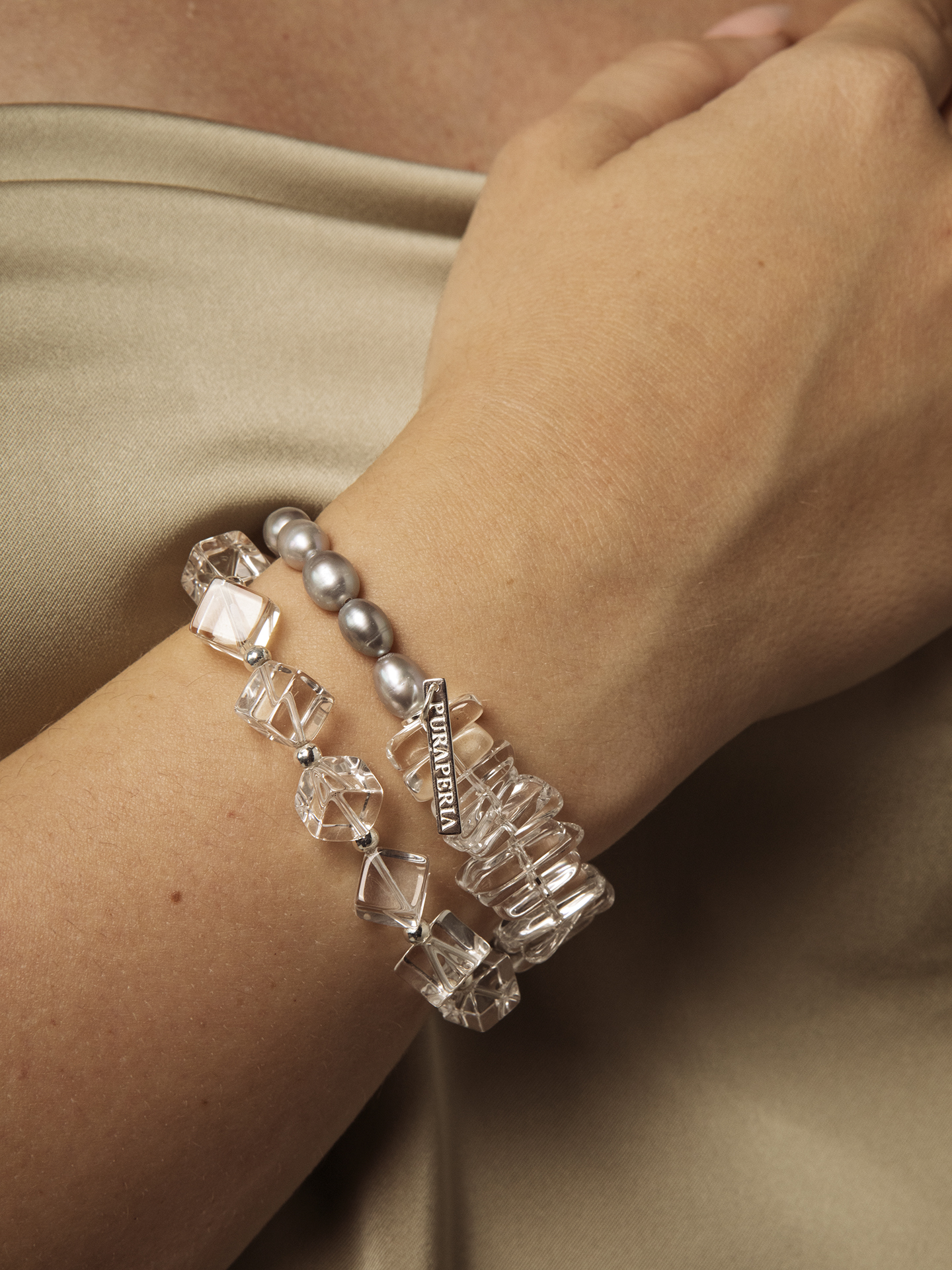
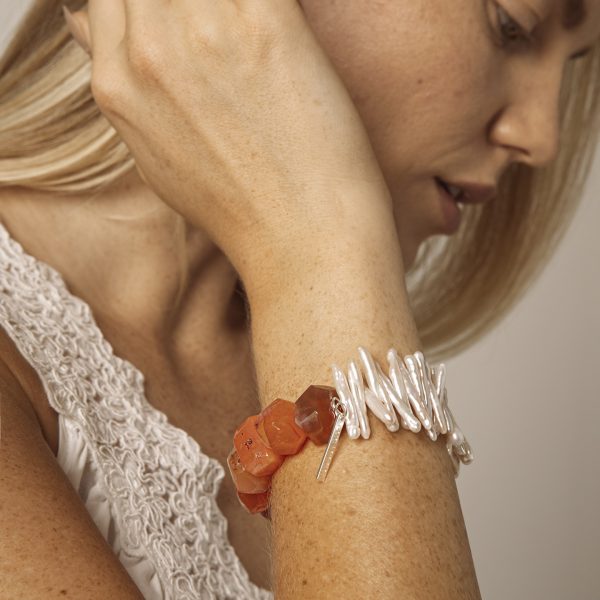
- Freshwater Pearl for calm, clean contrast
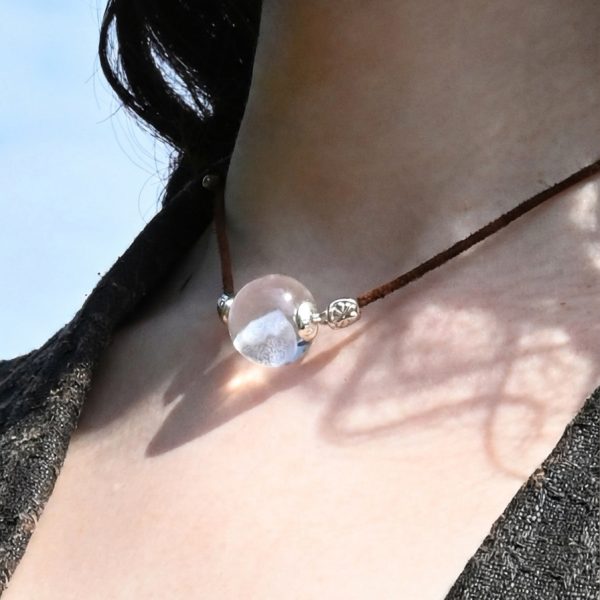
- Clear Quartz for a bright, “fresh air” look
- Smoky Quartz for grounded, moody elegance
If you’re gifting, emerald works especially well in:
- Minimal pendants (everyday-friendly)
- Stud earrings (low snag risk)
- Stackable rings (but choose protective settings)
Buying Birthstones Emerald Online: A Short, Smart Script to Use
When you can’t inspect the stone in person, use a repeatable checklist. Here’s what I ask sellers before I buy:
- Is it natural emerald, lab-grown, or imitation?
- Is it treated (oil/resin)? If yes, what type and to what extent?
- Do you provide a certificate or independent lab report?
- What is the return policy if the stone doesn’t match photos?
- Can you share unfiltered video under neutral light?
How To Spot An Emerald – ID Gems Like A Pro!
Conclusion: Let Emerald Be a Story You Can Wear
The best birthstones emerald pieces don’t just look green—they feel alive, like they’re holding a tiny springtime inside. If you remember one thing, make it this: color is king, inclusions can be normal, treatments should be disclosed, and gentle care keeps emerald glowing.
If you’re exploring emerald as a meaningful gift or a personal talisman for renewal, tell me what you’re choosing—a ring, pendant, or bracelet—and how you plan to wear it day to day. And if you want a piece made with natural materials and clear authenticity standards, browse StarryBead’s handcrafted designs and compare stones with confidence.
FAQ: Birthstones Emerald (People Also Ask)
1) Is emerald the only May birthstone?
Emerald is the traditional May birthstone. Some modern lists include alternatives, but birthstones emerald is the most recognized pairing.
2) How can I tell if my emerald is real at home?
Look for natural inclusions, realistic color, and seller disclosure about treatments. Home checks help, but a lab report is the most reliable.
3) Are lab-grown emeralds “fake”?
No—lab-grown (synthetic) emeralds are real emerald material. They’re different from imitations like glass.
4) Why do emerald prices vary so much?
Color quality, transparency, size, treatment level, and documentation can swing value dramatically.
5) Can emerald go in an ultrasonic cleaner?
It’s best not to. Ultrasonics can worsen fractures or remove oils/resins used in common emerald treatments.
6) What’s the safest way to clean emerald jewelry?
Mild soap, lukewarm water, a soft brush, and gentle drying. Avoid heat and harsh chemicals.
7) What setting is best for an emerald ring?
Bezel and halo settings offer extra protection, especially if you wear the ring daily.