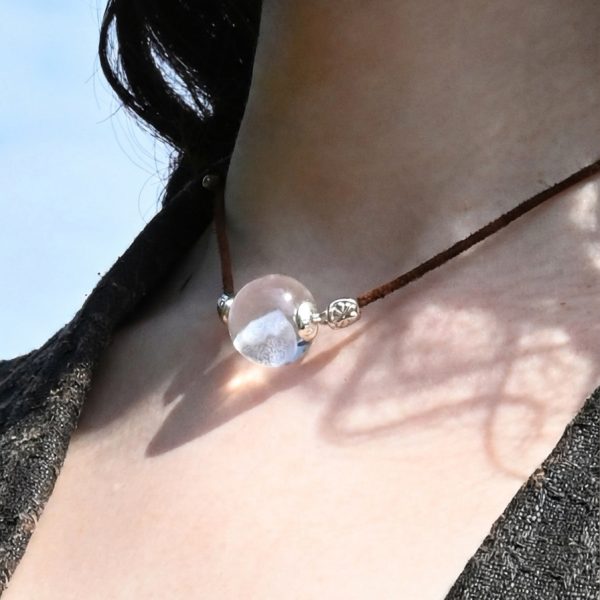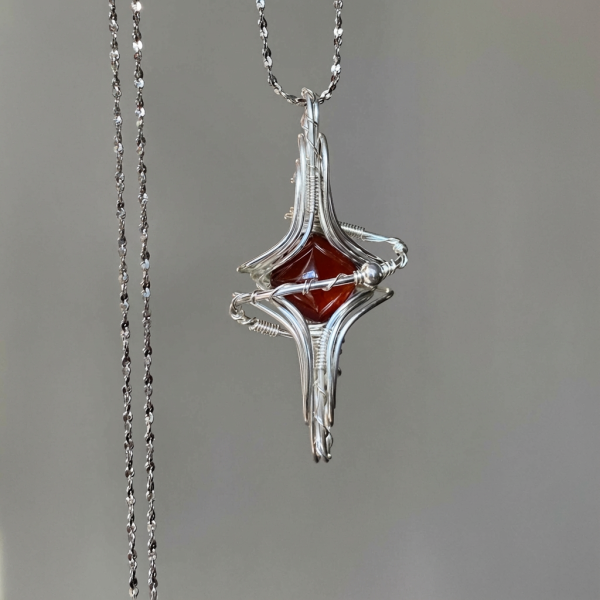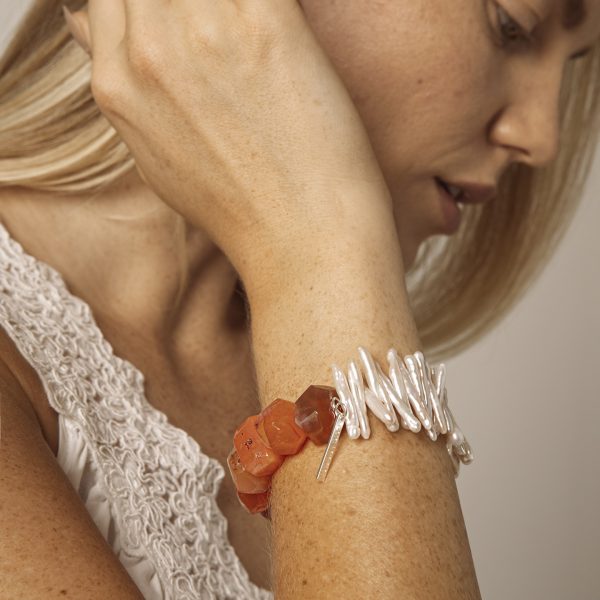
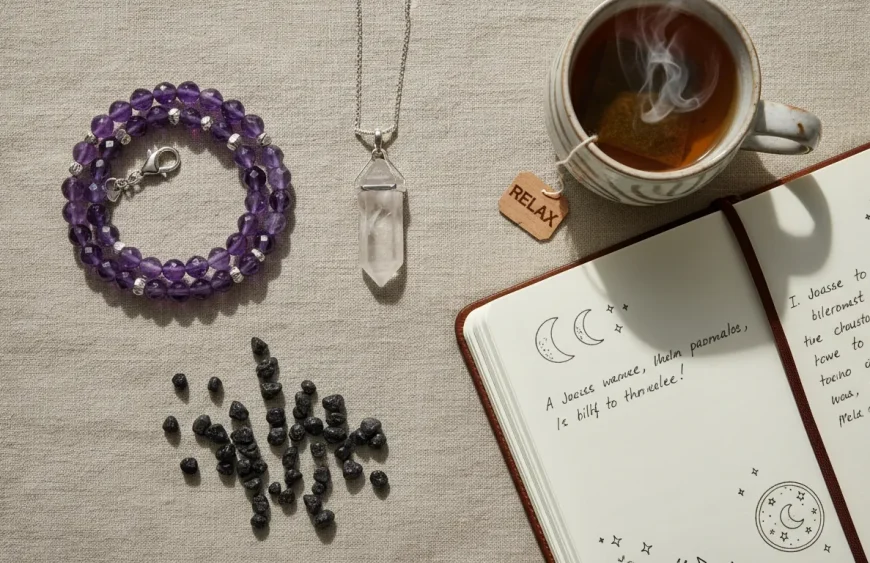
You’re standing in front of a tray of gemstones—cool, heavy, oddly comforting—and you catch yourself thinking: Is this just pretty, or could it actually help me feel better? That question is the heart of crystals and healing today: part tradition, part self-care ritual, part marketing noise. I’ve worn crystals through busy workweeks and kept them on my desk during stressful launches, and the biggest “result” I noticed was simple: they helped me pause, breathe, and reset my attention.
This guide answers the most searched questions on crystals and healing with a clear line between what’s supported (stress rituals, placebo/expectancy, mindfulness cues), what’s unproven (disease claims), and what’s important (safety, sourcing, and honest expectations).

What “crystals and healing” can realistically mean (without the hype)
When people say crystals and healing, they often mean one of three things. Sorting these out makes the whole topic less confusing and a lot safer to practice.
- Emotional support ritual: a physical reminder to slow down, reflect, or set intentions.
- Meditation and focus tool: a tactile “anchor” (like worry stones) that can help attention settle.
- Medical claim: statements that crystals treat, cure, or prevent disease—this is where red flags start.
From an evidence lens, crystals don’t show specific healing effects beyond placebo in controlled settings for anxiety symptoms. A randomized controlled study (138 adults) found rose quartz performed no better than a placebo lookalike; changes were linked to expectancy/conditioning rather than the stone itself (PubMed summary). That doesn’t mean your experience is “fake”—it means the mechanism is more likely your brain-body context than crystal physics.
How I use crystals and healing in real life: I treat a stone like a “portable ritual.” If I touch a bracelet before a hard conversation, it’s a cue: shoulders down, slow exhale, speak clearly. The benefit is in the practice I pair with the object.
FAQ 1: Do crystals really have healing powers?
In a medical sense (treating illness), there’s no good clinical evidence that crystals have inherent healing power. Crystal healing is widely categorized as pseudoscience because claims aren’t supported by well-controlled trials (EBSCO overview). The best explanation for many positive reports is placebo effects—including expectation, meaning, and the calming structure of a ritual.
In a practical sense, crystals and healing can “work” as a wellness habit if you’re using them to support behaviors that are helpful:
- mindfulness and breathwork
- journaling and self-reflection
- habit stacking (stone = cue to do the calming thing)
- grounding touch when anxious (sensory regulation)
Rule of thumb: If a claim sounds like “this will cure X,” skip it. If it sounds like “this helps me remember to do Y healthy practice,” it’s a safer, more honest lane.
FAQ 2: What are the “7 main healing crystals” (and what they’re used for)?
Lists vary, but a common set people mean when they search crystals and healing includes:
- Clear Quartz (clarity, “amplifier” in modern lore)
- Amethyst (calm, sleep support rituals)
- Lapis Lazuli (communication/insight themes)
- Green Aventurine (luck, optimism)
- Citrine (motivation, abundance symbolism)
- Carnelian (confidence, drive)
- Black Tourmaline (protection/grounding themes)
These are symbolic and traditional associations, not medical effects. If you want a grounded way to choose, use this approach: pick one feeling you want to practice (calm, courage, focus), then pick a stone that you’ll actually wear often—because consistency beats “the perfect crystal.”
For a no-nonsense choosing framework, see Crystals, Explained: How to Choose, Wear, and Care for Natural Stones (Without the Hype).
FAQ 3: What crystals are good for healing (stress, sleep, confidence)—without making medical claims?
Think of crystals as themes you can practice, not treatments. Here are common pairings people use in crystals and healing routines, plus a simple habit to match each one.
| Goal (non-medical) | Common crystal pick | Why people choose it (theme) | A practical habit that actually helps |
|---|---|---|---|
| Calm after a long day | Amethyst | “Peace” symbolism; soothing color | 4-7-8 breathing for 2 minutes before bed |
| Clear thinking at work | Clear Quartz | “Clarity” theme | Write top 3 tasks; silence notifications for 25 minutes |
| Grounded confidence | Red Agate / Tiger’s Eye | Stability + courage themes | Feet on floor, slow exhale, rehearse first sentence |
| Emotional softness | Rose Quartz | Compassion/love theme | Hand on heart + name the feeling (no fixing) |
| Protection/boundaries | Black Tourmaline | “Shielding” symbolism | Write one boundary sentence you’ll use this week |
| Fresh start energy | Citrine | “Sun”/motivation theme | 10-minute morning walk, same time daily |
If you love amethyst specifically, this deep dive stays factual while still honoring tradition: Amethyst: The Complete Guide to Meaning, Value, Benefits, and How to Wear It (Without the Hype).
FAQ 4: How do I “activate” healing crystals?
“Activation” isn’t a scientific requirement, but it can be a meaningful start signal for your routine. The safest, simplest method is intention + gentle cleaning (not risky water soaking).
Try this 3-step activation ritual (2 minutes):
- Rinse your hands and wipe the stone with a soft dry cloth.
- Hold it and name your intention in one sentence (example: “Today I practice calm responses.”).
- Pair it with an action you’ll repeat (one breath pattern, one affirmation, one boundary phrase).
If you like cleansing practices, be careful: some crystals are water-soluble or fragile, and soaking can damage them (more on safety below).
What’s safe in crystals and healing (and what to avoid)
Most everyday crystal jewelry use is physically low-risk, but there are real safety issues people skip because they’re busy chasing “vibes.”
Avoid these common hazards
- Don’t ingest crystals or use “crystal elixirs” unless you’re extremely certain a stone is non-toxic and safely prepared. Many minerals can contain toxic elements or release impurities; ingestion is a known risk area (International Gem Society toxicity guidance).
- Don’t soak water-soluble stones (they can dissolve, weaken, or shed particles).
- Avoid breathing crystal dust if you cut/polish stones; inhaled particles can be harmful (also noted by IGS).
- Watch for coatings/dyes if you have sensitive skin; treated stones can irritate.
A quick safety shortlist (practical, not fear-based)
- Wash hands after handling raw stones—especially if you don’t know their mineral content.
- Keep small stones away from kids/pets (choking risk).
- If you have medical conditions or take medication, treat crystal use as complementary only and talk to a clinician if you’re unsure.
For a specific example where water safety matters, see Selenite: What It Is, Uses, and Safety Tips.

FAQ 5: What two crystals cannot be together?
There’s no proven “dangerous pairing” in crystals and healing from an energy standpoint. The only pairing problems that reliably exist are physical and practical:
- Soft + hard stones together in a pouch can scratch (e.g., softer stones getting scuffed).
- Water-soluble stones + water cleansing is a bad combo (e.g., selenite + soaking).
- Reactive metals + moisture can tarnish settings, which people sometimes blame on the stone.
If someone says, “Never pair X and Y or it will harm you,” ask for a physical reason (fragility, toxicity, skin reaction). If they can’t provide one, it’s likely superstition presented as fact.
FAQ 6: What does God say about using crystals?
Beliefs differ widely across Christian denominations and other faith traditions. Some people view crystals as neutral creation—beautiful stones that can be enjoyed as art or jewelry. Others avoid them if they’re used for divination or placed above trust in God.
If this matters to you, a balanced path is to clarify intent:
- If you’re using crystals as fashion or a mindfulness cue, many find that compatible with faith.
- If you’re using them as a source of power or as a substitute for prayer, community, or medical care, that’s where many faith leaders raise concerns.
When I’ve spoken with customers who are faith-forward, the ones who feel best long-term treat crystal jewelry like a reminder: gratitude, calm, patience—virtues they already value.
The “placebo” question: if it’s placebo, is it still worth it?
Placebo isn’t “imaginary.” Placebo effects are real changes influenced by expectation, context, and learned associations. In the anxiety trial on crystals, symptom changes were mediated by expectancy and conditioning, not the crystal itself (Cambridge journal discussion). That’s a powerful takeaway: you can ethically use crystals and healing as a ritual container for evidence-based habits.
Here’s the ethical line StarryBead-style wellness stays on:
- Use crystals to support self-care behaviors (breathing, journaling, boundaries).
- Don’t promise to treat illness.
- Keep safety and sourcing in view.
A simple 7-day crystals and healing routine (beginner-friendly)
If you want a plan that feels magical and stays grounded, try this:
- Day 1: Choose one stone you’ll actually wear. Set a one-sentence intention.
- Day 2: Pair it with 60 seconds of slow breathing.
- Day 3: Add a quick “body check” (jaw, shoulders, hands).
- Day 4: Write one boundary you need this week.
- Day 5: Do a 10-minute tidy of your space (external calm helps internal calm).
- Day 6: Reflect: “When did I reach for the stone today, and why?”
- Day 7: Keep what worked; drop what didn’t.
Easy Grounding Techniques for a Crystal Healing Session | Top 3 Grounding Crystals
How to buy crystals responsibly (authenticity + ethics)
Because StarryBead lives at the intersection of wellness and fashion, this part matters. “Natural” should mean more than a vibe.
Look for:
- Authenticity signals: clear product descriptions, stone ID, and proof of natural materials (e.g., certificates where appropriate).
- Treatment disclosure: dyed/coated stones should be labeled.
- Care instructions: especially for softer or water-sensitive stones.
- Sourcing transparency: ask where and how stones are sourced, and what standards are used.
If a shop uses medical language (“cures,” “treats,” “prevents”), be cautious. Regulators scrutinize unsubstantiated health claims in wellness markets; responsible brands avoid disease claims and stick to truthful, support-focused language (FDA warning letter example).

Conclusion: Crystals and healing, the honest way
In the end, crystals and healing is less about “stone power” and more about human power: attention, meaning, and the small rituals that bring you back to yourself. If you wear a crystal and it helps you breathe before you react, that’s not nothing—it’s a practiced skill, anchored by a beautiful object you chose on purpose. Keep it safe, keep it truthful, and let the jewelry tell a story you can actually live.
If you want, share in the comments: what feeling are you trying to support right now—calm, confidence, clarity, or boundaries? And if you’re ready to build a ritual you’ll really use, start with one piece you’ll reach for daily.
FAQ (People Also Ask)
1) Do crystals really have healing powers?
Evidence doesn’t support crystals treating medical conditions; benefits are more consistent with placebo/expectancy and calming rituals.
2) What are the 7 main healing crystals?
Often listed as Clear Quartz, Amethyst, Lapis Lazuli, Green Aventurine, Citrine, Carnelian, and Black Tourmaline—associations vary by tradition.
3) What crystals are good for healing?
For non-medical wellness routines, popular picks include amethyst (calm), clear quartz (clarity), rose quartz (self-compassion), and black tourmaline (grounding).
4) How do you activate healing crystals?
Use a simple intention-setting ritual and pair the stone with a repeatable habit (breathing, journaling, boundary practice).
5) What two crystals cannot be together?
No proven “energy” conflicts; practical conflicts are physical (scratching, water damage, fragility).
6) Is it safe to sleep with crystals?
Usually yes if the piece is smooth and secure; avoid sharp points, small loose stones (choking risk), and anything that could break under pressure.
7) Are crystal water elixirs safe?
Often not. Avoid ingestion and soaking unless you are certain the mineral is non-toxic and prepared safely; many stones can be unsafe to ingest or leach impurities.