The first time I held an opalescent stone up to a window, it didn’t “shine” the way a diamond does—it bloomed. Soft milk-light rolled across the surface, and when I tilted it, a hidden flash of color appeared like a secret you only see at the right angle. If you’ve ever wondered why some gems look like moonlight trapped in glass, or why others throw rainbow fire, you’re already chasing the heart of opalescence.
This guide breaks down what an opalescent stone is (and what it isn’t), which gemstones are truly opalescent, how to tell quality from clever marketing, and how to wear and care for opalescent jewelry—especially if you love crystal pieces for both style and meaning.

What Is an Opalescent Stone, Exactly?
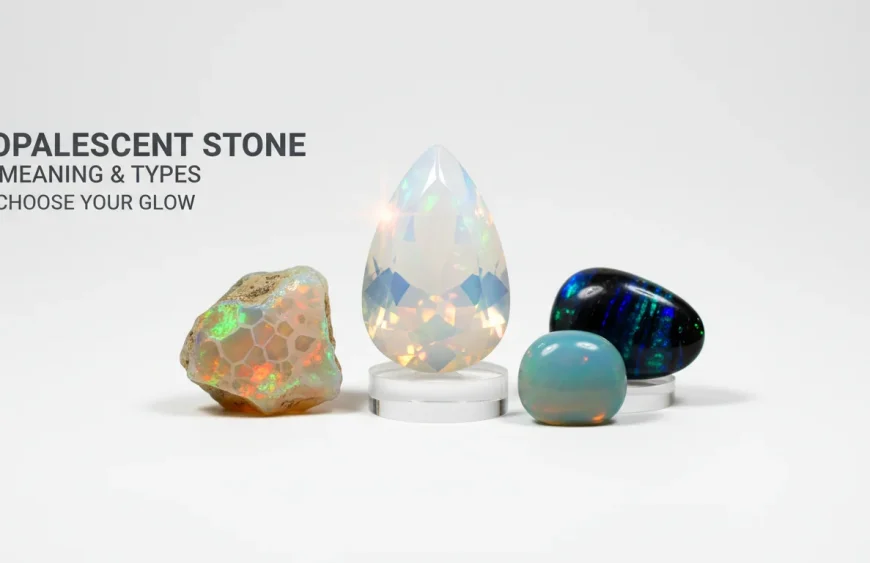
An opalescent stone is any gemstone (or material) that shows opalescence: a luminous, milky, light-scattering effect that can look like inner glow, haze, or shifting color. In gem terms, people often use “opalescent” to describe stones that appear translucent with a soft, floating light—sometimes with rainbow flashes, sometimes without.
The key is that opalescence is an optical phenomenon, not a single mineral. In other words, “opalescent stone” is a look, not a species—similar to how “chatoyant” describes a cat-eye effect across different gems.
- Scientific overview: Opalescence is tied to how light scatters within a material’s structure (think microstructures and layers), producing that signature milk-glow. A solid baseline explanation is summarized in Wikipedia’s entry on opalescence.
- In jewelry listings, “opalescent stone” may refer to opal, moonstone, milky quartz, or even man-made opalite glass—so it pays to ask what you’re actually buying.
Opalescent vs. Play-of-Color: The Confusion Most Buyers Have
In everyday shopping, “opalescent” often gets mixed up with play-of-color (the rainbow fire seen in precious opal). They can overlap, but they’re not identical.
- Opalescence: a soft, cloudy glow; can be white/blue-ish; may be subtle.
- Play-of-color: distinct flashes of spectral color that move as the stone moves—most famously in opal.
If you want the gemological gold standard for evaluating opal’s visual quality, the Gemological Institute of America breaks it down clearly—color, pattern, clarity, and more—on GIA’s opal quality factors.
The Most Popular Opalescent Stones (and What They Look Like)
When customers say they want an opalescent stone for jewelry, they usually mean one of these. Each has a different “kind” of glow, so matching the stone to your style matters.
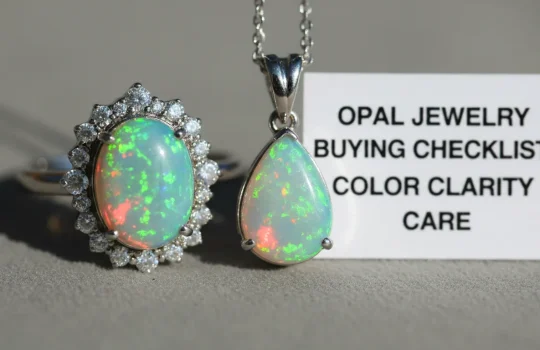
1) Opal (the iconic opalescent stone)
Opal is a hydrated silica known for either a soft body glow, dramatic play-of-color, or both. Australian opals (including black and crystal opal) are especially prized for strong color effects; many miners and sellers describe how the color “turns on” as you rotate it—see examples from Australian opal specialists like Black Star Opal’s Australian opal collection.
What I’ve learned handling opal jewelry: even small opals can look high-end if the color flashes are bright and the cut is clean, while big stones can look flat if the play-of-color is weak.
2) Moonstone (soft glow, “inner moonlight”)
Moonstone is famous for adularescence (a related effect), often described as a floating blue/white sheen. In practice, shoppers still call it an opalescent stone because it has that dreamy, milky radiance—especially in cabochon cuts.
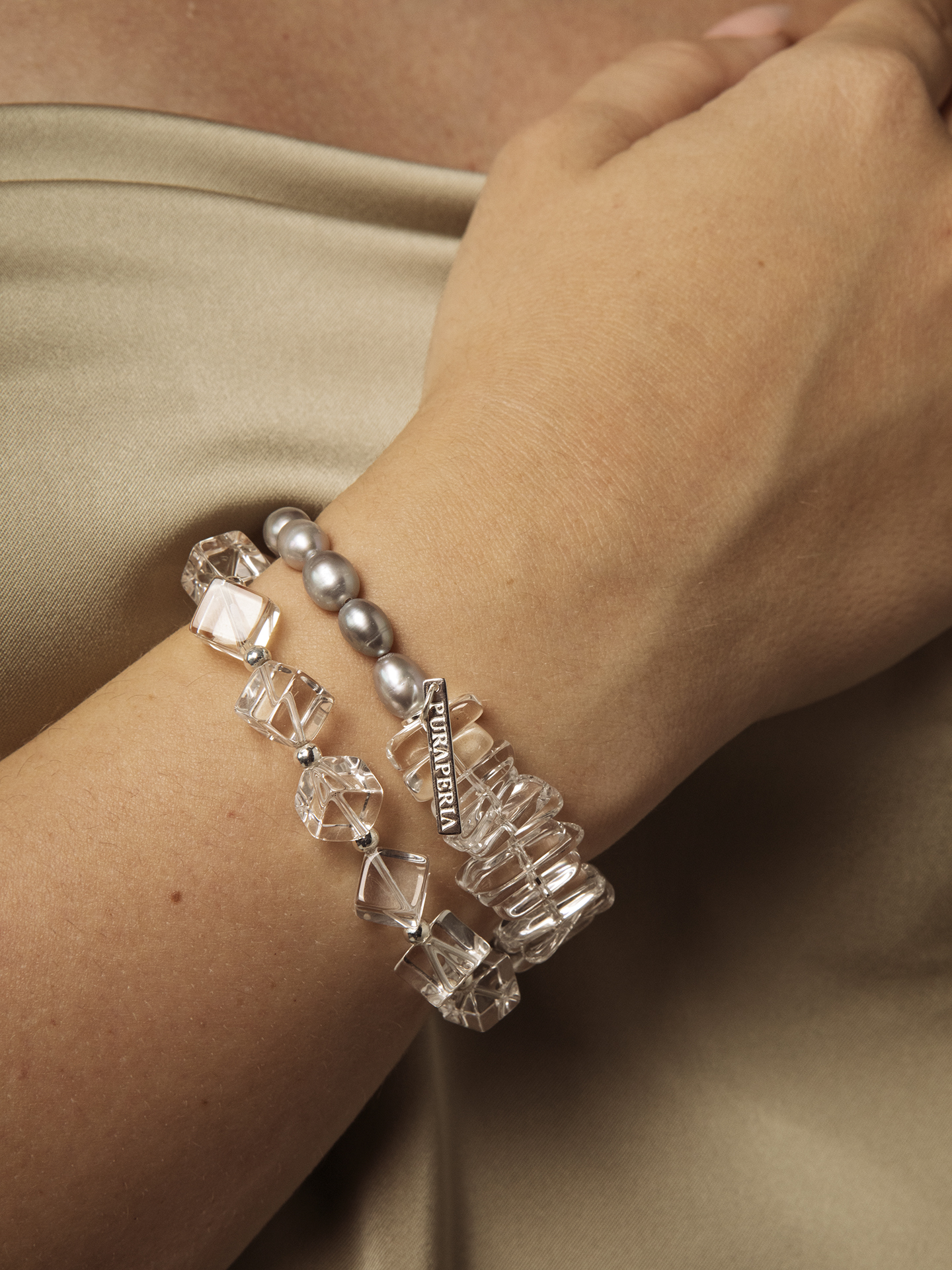
3) Milky Quartz / Clear Quartz with a haze
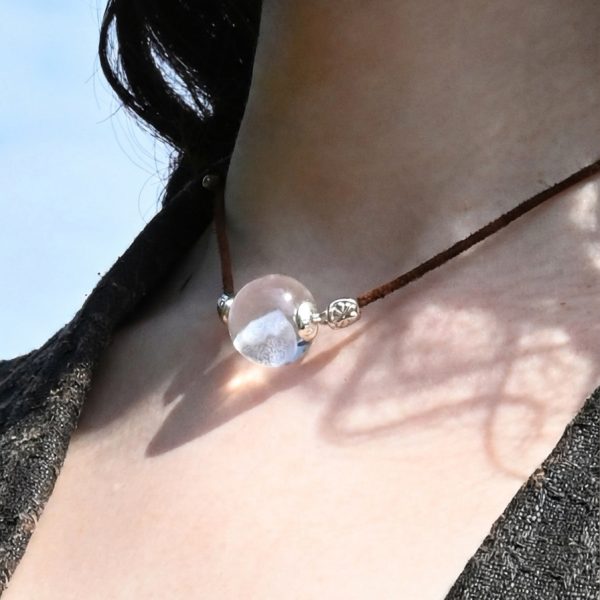
Quartz doesn’t do play-of-color like opal, but it can look opalescent when it’s translucent and diffuses light. If you love “clean energy” aesthetics, pairing quartz with an opalescent centerpiece can look modern and calming. (StarryBead works with Clear Quartz and Smoky Quartz, which pair beautifully with opalescent tones for contrast.)
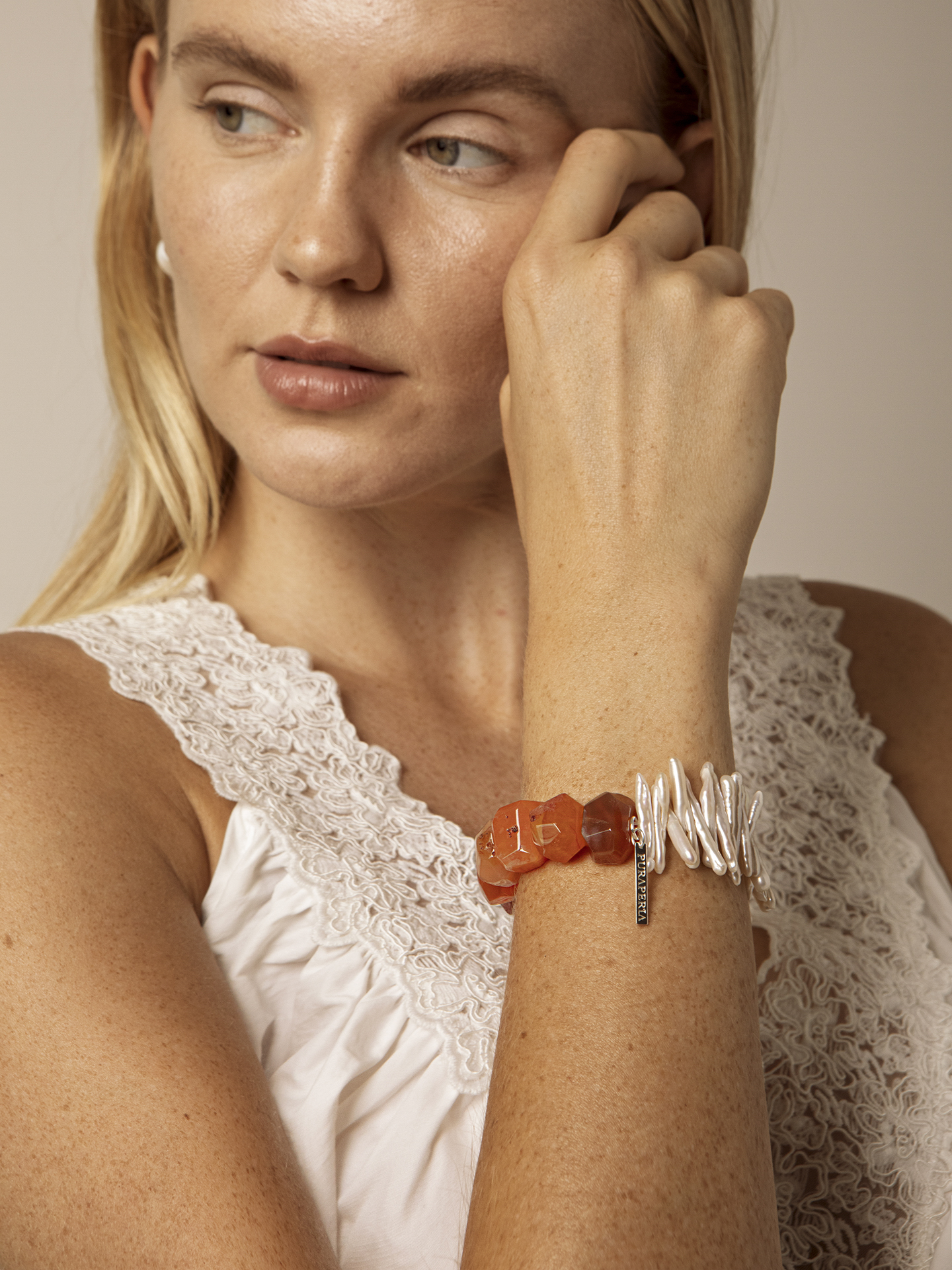
4) Pearls (a different kind of opalescent glow)
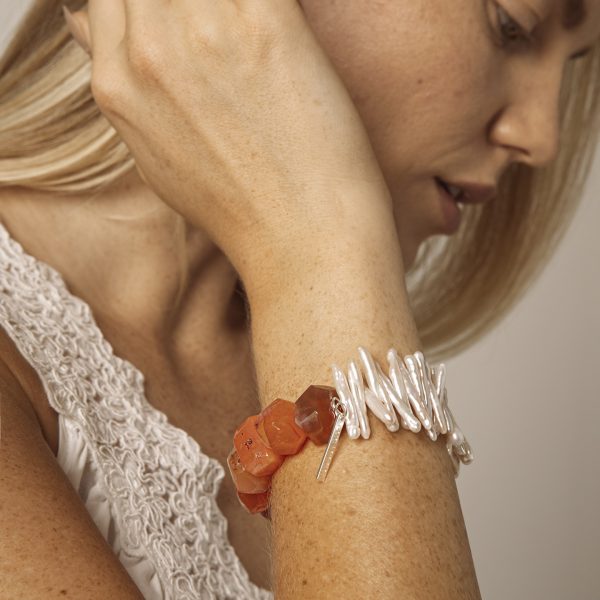
Pearls aren’t stones, but they’re often described as opalescent because of their orient and luster. Freshwater pearls can show subtle pink/green overtones that read as soft iridescence—perfect for wellness-fashion styling.
How to Choose a High-Quality Opalescent Stone (Without Overpaying)
When you’re shopping online, the photos can be… optimistic. Here’s the checklist I use to judge an opalescent stone quickly and fairly.
-
Lighting disclosure
- Ask: “Was this photographed in direct sunlight, studio light, or diffused light?”
- Opalescent effects can be exaggerated under harsh spotlights.
-
Movement proof
- A short rotation video reveals whether the glow is real and consistent.
- This matters most for opal play-of-color and moonstone sheen.
-
Cut choice
- Cabochons usually maximize opalescent glow.
- Facets can look stunning, but they can also “break up” a soft effect.
-
Body tone and transparency
- Opal ranges from white to black body tone; darker body tones can intensify color contrast.
- Moonstone quality often shows as a centered, floating sheen rather than a patchy glare.
-
Treatments and imitations
- Ask directly if it’s natural, treated, doublet/triplet (for opal), or synthetic.
- Reputable brands provide authenticity info; StarryBead, for example, emphasizes 100% natural crystals and gemstones and offers certificates for authenticity.
| Stone/Material | “Glow” Type | Durability (Mohs/notes) | Best Jewelry Types | Common Lookalikes |
|---|---|---|---|---|
| Opal | Play-of-color + body glow | 5–6.5; can craze; sensitive to heat/drying/impact | Pendants, earrings | Doublets, triplets |
| Moonstone | Floating sheen (adularescence) | ~6–6.5; can scratch; cleavage—avoid hard knocks | Rings (protective settings), pendants | Glass, low-grade feldspar |
| Milky Quartz | Diffused light (soft internal glow) | 7; fairly tough; good for frequent wear | Everyday wear rings, bracelets | Resin, glass |
| Freshwater Pearl | Luster/orient (soft iridescent glow) | ~2.5–4.5; very scratch-prone; avoid chemicals/abrasion | Earrings, necklaces | Shell pearls, opalescent glass |
Quick Reality Check: “Opalite” vs. Opalescent Stone
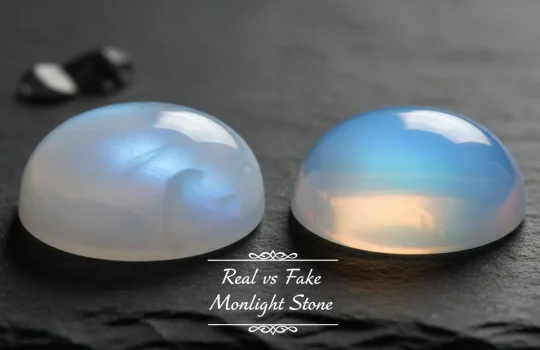
Many shoppers discover “opalite” and assume it’s a natural opalescent gemstone. In most cases, opalite is man-made glass designed to mimic opalescent glow. There’s nothing wrong with loving the look—just don’t pay natural-gem prices for it.
If you want a natural alternative with a similar soft vibe, go for:
- Moonstone (classic)
- Milky quartz (minimalist)
- White opal (if you want true opal character)
Styling Opalescent Stone Jewelry for Wellness + Fashion
An opalescent stone reads “soft power”: it’s not loud, but it’s memorable. In wellness fashion, that matters—your jewelry can feel like a personal ritual, not just an accessory.
Try these pairings (I’ve used versions of these in real-world styling and they photograph beautifully):
- Opalescent stone + Citrine: glow-on-glow, but with warmth and optimism.
- Opalescent stone + Black Tourmaline: ethereal meets grounded; great for confidence.
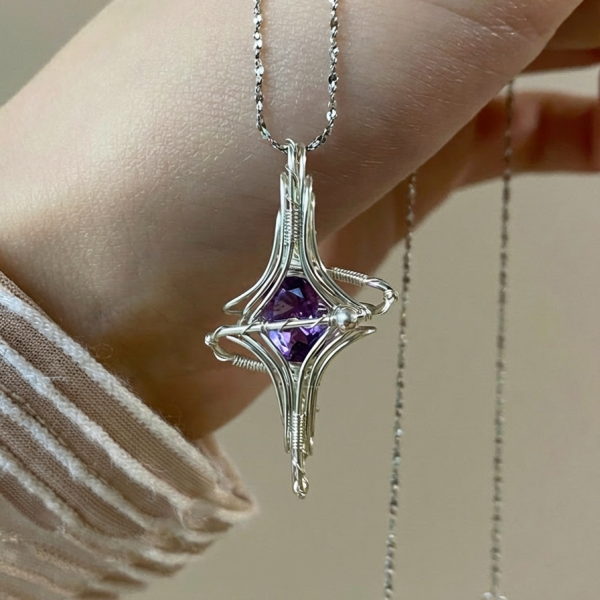
- Opalescent stone + Amethyst: calming palette for evening or meditation aesthetics.
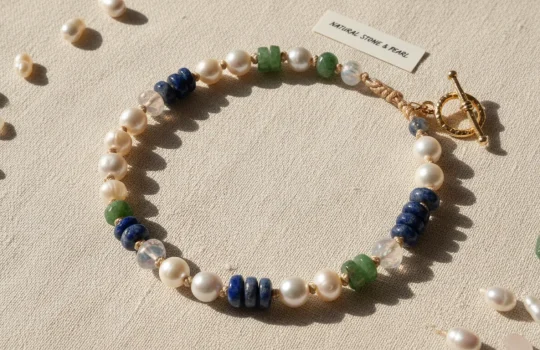
- Opalescent stone + Freshwater Pearl: classic, soft, and intentional—bridal and everyday.
If you’re building a small capsule collection, start with a necklace or bracelet where the stone sits in consistent light; rings get knocked around and can dull the effect faster.

Care Tips: Keep the Glow, Avoid the Heartbreak
Opalescent-looking gems often rely on microstructures that can be sensitive to heat, dryness, and chemicals.
- Opal care
- Avoid ultrasonic cleaners and harsh chemicals.
- Store away from extreme heat; opal can be prone to cracking if dehydrated or shocked.
- Moonstone care
- Protect from scratches; store separately.
- Clean with mild soap and a soft cloth.
- Pearl care
- Last on, first off (perfume and hairspray can dull luster).
- Wipe after wear.
If you want the deeper gem-nerd version of opal’s durability and grading, cross-check with GIA’s opal guide and compare seller claims to those standards.
Why People Associate Opalescent Stones With Meaning (and How to Shop Responsibly)
In the crystal jewelry world, people often choose an opalescent stone when they’re craving emotional softness—clarity without harshness. I’ve seen customers gravitate toward opalescent pieces during transitions: new jobs, healing seasons, moves, breakups—moments when you want something gentle but steady.
A responsible way to approach this:
- Treat crystal meaning as personal symbolism, not medical advice.
- Choose craftsmanship and authenticity first; meaning lands better when the piece is well-made and honestly described.
- Buy from brands that clearly state materials and provide proof of authenticity when possible—this is where StarryBead’s certificates and natural-stone focus matter.
For more gemstone background and lore (useful for understanding why opal is so storied), you can also explore an overview like Moon Magic’s opal meaning and history, then compare it with gemological sources.
Opal vs Opalite vs Moonstone: What are the Differences
Opalescent Stone Buying Checklist (Save This Before You Checkout)
- Confirm the exact material name (opal, moonstone, quartz, pearl, glass).
- Request a rotation video under neutral lighting.
- Ask about treatments (especially opal doublet/triplet).
- Choose cabochon cuts for maximum opalescent glow.
- Match durability to lifestyle (rings need tougher choices than pendants).
- Buy from sellers who document authenticity and offer support.
Conclusion: Let Your Opalescent Stone Tell the Softer Part of Your Story
An opalescent stone doesn’t just “match outfits”—it changes with you, with the light, with the day you’re having. That’s the magic: it’s not one fixed color; it’s a living mood. If you’re building a jewelry wardrobe that supports both self-expression and intention, opalescent pieces are often the ones you reach for when you want to feel quietly luminous.
If you’d like, tell me what vibe you’re going for (grounded, romantic, minimalist, bold), and I’ll suggest the best opalescent stone pairing from StarryBead’s materials—then share this guide with a friend who always falls for “glowy” gems at first sight.
FAQ About Opalescent Stone
1) What is an opalescent stone in jewelry?
An opalescent stone is a gem (or material) that shows a milky, light-scattering glow—sometimes with shifting colors—due to optical effects within the material.
2) Is opalescent stone the same as opal?
Not always. Opal is the most famous opalescent-looking gem, but moonstone, milky quartz, and pearls can also appear opalescent.
3) How can I tell real opal from opalite?
Opalite is commonly man-made glass with a uniform glow. Natural opal often shows more complex patterning, irregular color play, and natural inclusions; seller disclosure and certification help.
4) Are opalescent stones durable for everyday rings?
Some are, some aren’t. Opal is softer (often ~5–6.5 Mohs) and needs careful wear; quartz is tougher (7 Mohs). Moonstone is moderate and can scratch over time.
5) What cut looks best for opalescent stone jewelry?
Cabochon cuts usually maximize glow and sheen. Faceted cuts can work, but may reduce the “soft bloom” effect.
6) Do opalescent stones have spiritual meaning?
Many people associate them with calm, intuition, and emotional softness. Treat this as personal symbolism and pair it with practical buying choices (authenticity, durability, care).
7) What gemstones pair well with opalescent stones?
Great pairings include Clear Quartz, Citrine, Amethyst, Black Tourmaline, and Freshwater Pearl—balancing glow with clarity, warmth, calm, grounding, or classic elegance.