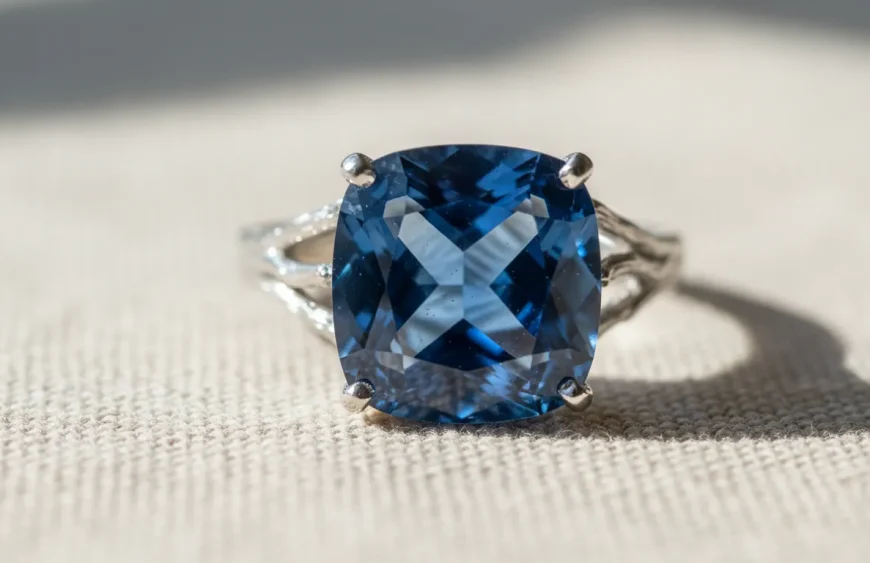
Some stones feel like they find you right when you need them. I still remember the first time I held a sapphire birthstone up to the light at a gem counter—its blue didn’t just look pretty, it looked steady, like a deep breath you can wear. If you’re shopping for a September gift, celebrating a milestone, or simply craving a more grounded kind of beauty, the sapphire birthstone is one of the smartest (and most timeless) choices you can make.
Sapphire is famous for its royal-blue look, but it’s also loved for being durable, symbolic, and surprisingly versatile in style. In this guide, you’ll learn what the sapphire birthstone means, how to judge quality, what colors exist, how to care for it, and how to choose sapphire jewelry that feels personal—especially if you’re drawn to wellness-minded adornment like StarryBead’s natural gemstone pieces.
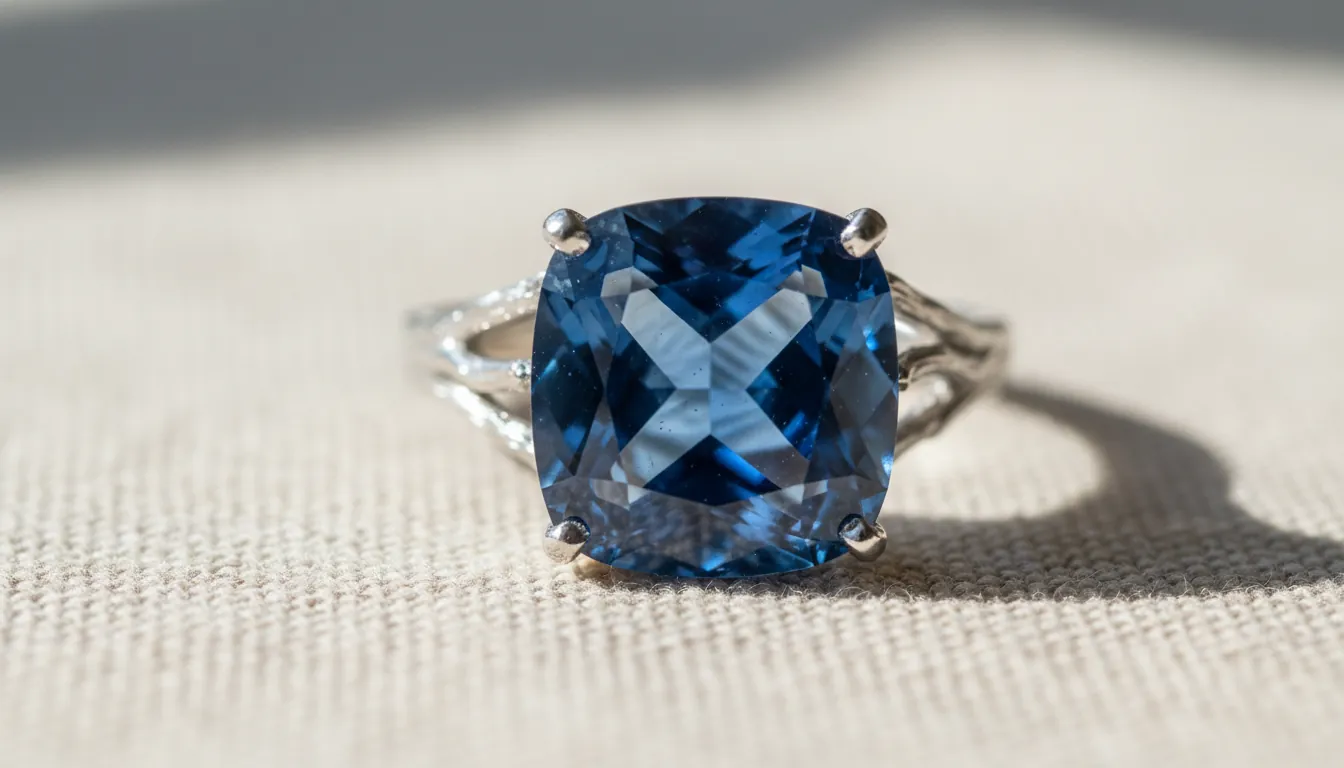
What Is the Sapphire Birthstone?
The sapphire birthstone is the modern and traditional birthstone for September. In mineral terms, sapphire is a variety of corundum (aluminum oxide, Al₂O₃)—the same mineral family as ruby, differentiated mainly by color. Corundum’s structure gives sapphire exceptional durability, which is why it’s a favorite for everyday jewelry like rings and bracelets.
Sapphire’s defining physical trait is hardness: it measures 9 on the Mohs scale, second only to diamond. That toughness is practical (fewer scratches over time) and symbolic (commitment, clarity, resilience), which is one reason sapphire is so common in meaningful gift jewelry.
To cross-check the science and background, see Sapphire (mineral overview) and the American Gem Society’s notes on sapphire history and cultural use.
- Birth month: September
- Mineral family: Corundum
- Hardness: 9 Mohs
- Most recognized color: Blue (but not the only option)
Sapphire Birthstone Meaning: Why People Still Wear It for “Protection” and Clarity
In many traditions, sapphire was associated with wisdom, divine favor, and protection—beliefs that show up across cultures and centuries. The American Gem Society notes sapphire’s historical symbolism tied to “wise judgment” and spiritual themes, particularly during the Middle Ages. Whether you see that as history, metaphor, or energy, the emotional experience is real for many wearers: sapphire often feels like a “calm focus” stone.
From a wellness-and-style perspective (the space StarryBead lives in), sapphire pairs beautifully with intentions like:
- Mental clarity: staying focused when life is loud
- Emotional balance: responding instead of reacting
- Grounded confidence: choosing steady progress over quick wins
I’ve found sapphire jewelry works best when you treat it like a wearable reminder. It’s not about expecting magic—it’s about building a cue into your day that brings you back to who you are.
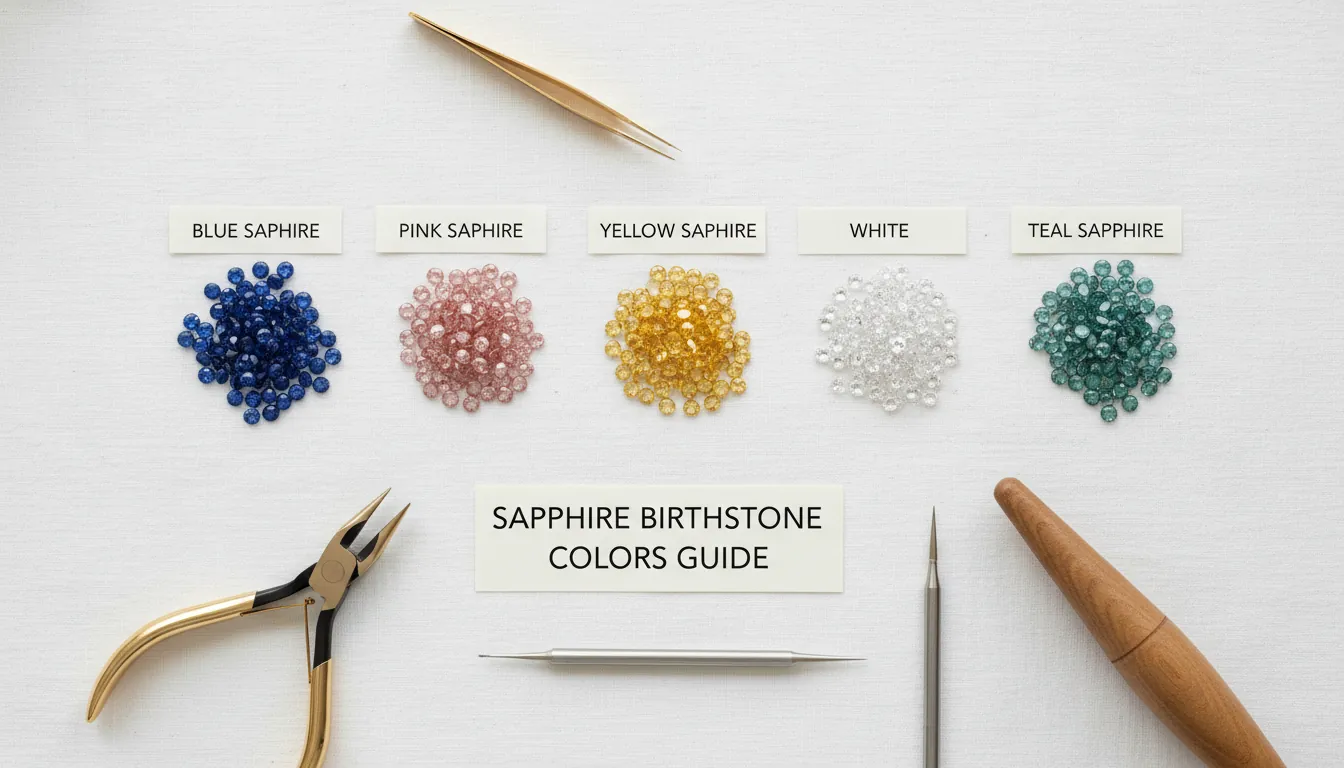
Sapphire Colors: Not Just Blue (Yes, There’s a Rainbow)
“Blue sapphire” is the headline, but sapphires come in many colors, often called fancy sapphires. Color is created by trace elements in the crystal (for example, iron and titanium commonly contribute to blue tones). The result is a spectrum that can suit minimalist wardrobes, bold fashion looks, or spiritual color symbolism.
Common sapphire birthstone color options:
- Royal blue / cornflower blue: classic, high demand
- Teal or blue-green: modern, oceanic vibe
- Pink sapphire: romantic, soft but vibrant
- Yellow sapphire: warm, sunny, optimistic styling
- White sapphire: diamond-like look with a gentler price point
- Purple sapphire: moody, mystical elegance
- Padparadscha (rare): pink-orange, often premium priced
If you want the official month mapping for birthstones, the International Gem Society’s birthstone chart is a helpful reference.
How to Choose a Sapphire Birthstone: The 4Cs (With Real-World Buying Tips)
Sapphire quality is usually evaluated using a version of the “4Cs,” but sapphires behave differently than diamonds. Here’s what matters most when you’re actually buying.
1) Color (Most Important)
Color drives value more than anything else. Look for a hue you love, with strong saturation, and avoid stones that look overly dark (inky) or overly gray (sleepy) in normal lighting.
Quick tip: view the sapphire in indirect daylight and indoor light. A great sapphire holds its character in both.
2) Clarity (Inclusions Are Normal)
Many sapphires have inclusions. A stone can still be beautiful—even premium—if inclusions don’t disrupt brilliance. If it looks clean to the naked eye (or the inclusions look like soft silk rather than cracks), that’s often a win.
3) Cut (Brilliance and “Life”)
A better cut makes the sapphire look brighter and more alive. If a sapphire looks dull, it’s often cut too shallow/deep or has a window (a see-through area).
4) Carat (Size vs. Presence)
Sapphire pricing doesn’t rise linearly with size—larger fine stones can jump dramatically in price. For everyday wear, many people choose a size that feels proportional to their hand and lifestyle rather than chasing carat count.
Treatments, Authenticity, and Certificates: What You Must Know
Most sapphires on the market are heat-treated to improve color and clarity. Heat treatment is widely accepted in the industry, but it should be disclosed. Other treatments (like diffusion or fracture filling) can affect long-term value and care needs, so transparency is key.
When a brand offers authenticity documentation, it reduces guesswork. StarryBead’s promise of 100% natural crystals and gemstones with certificates fits what careful buyers want: clarity on what they’re wearing and gifting.
| Treatment Type | Why It’s Done | Commonness | Disclosure Expectation | Care/Value Notes |
|---|---|---|---|---|
| None (untreated) | Preserves natural color/clarity; prized for rarity | Uncommon to rare | Should be stated as “no indications of heat” | Typically highest value; normal sapphire durability and routine jewelry care |
| Heat-treated | Improves color and clarity; reduces silk/inclusions | Very common | Must be disclosed (heated) | Stable and durable; value lower than comparable untreated; standard care |
| Diffusion-treated | Adds or intensifies surface/near-surface color (e.g., blue) | Less common than heat; seen | Must be clearly disclosed (diffusion) | Color may be shallow; recutting/abrasion can reduce color; generally lower value |
| Fracture-filled/composite | Masks fractures; improves apparent clarity and usability | Uncommon in fine sapphire | Must be disclosed (filled/composite) | Lower durability; avoid heat/ultrasonic/chemicals; significantly reduced value |
Sapphire Birthstone Jewelry Styles (and How to Match Them to the Person)
Sapphire is one of the easiest gemstones to personalize because it works across aesthetics—quiet luxury, boho, minimal, vintage, bold. The best choice depends on how the wearer moves through life.
Consider these style matches:
- Necklace: best for daily symbolism close to the heart; great gift option
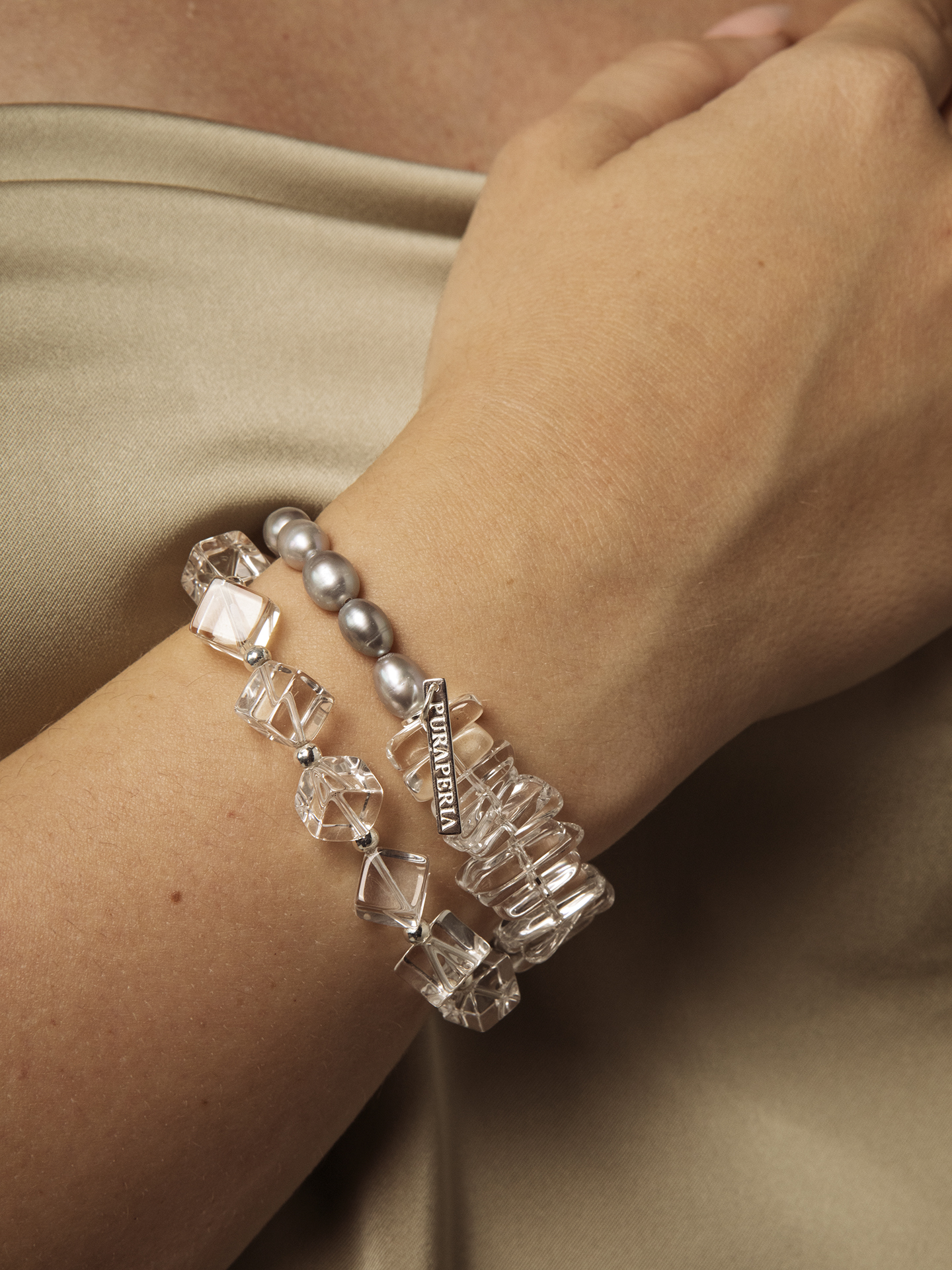
- Bracelet: easy stacking with crystals like Clear Quartz or Smoky Quartz for a grounded look
- Earrings: effortless “put-together” energy, great for work and events
- Ring: most symbolic, but choose durable settings if worn daily
If you’re browsing mainstream inspiration to understand how retailers present sapphire collections, compare merchandising at Tiffany’s September birthstone jewelry with more everyday assortments from large jewelry sellers. Then come back to your core question: what meaning do you want the sapphire birthstone to carry for you?
Care Guide: How to Clean and Store Sapphire Jewelry Safely
Sapphire is tough, but jewelry is more than the stone—settings and other materials matter. The safest routine is simple and consistent.
- Clean gently: warm water + mild soap + soft brush
- Rinse well: residue can dull shine
- Dry thoroughly: especially around prongs and crevices
- Store smart: separate pouch/box to prevent metal-on-metal scuffs
- Avoid harsh chemicals: especially when wearing rings (cleaning products, chlorine)
If your sapphire piece includes softer companion stones (like pearls), follow the most delicate material’s care rules.
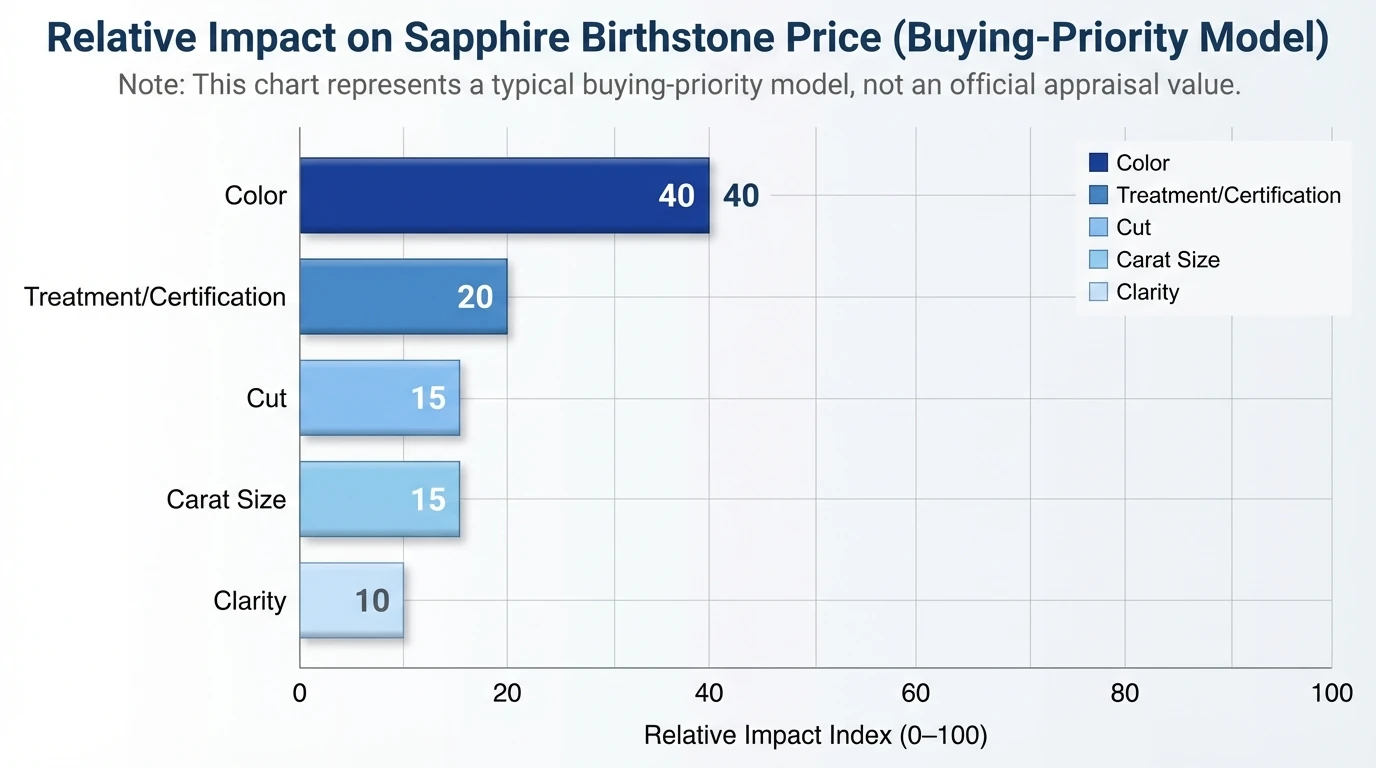
Sapphire Birthstone Value: What Actually Changes the Price?
Sapphire pricing can feel confusing because “blue sapphire” spans everything from accessible to investment-level. The most consistent price drivers are:
- Color quality: vivid, balanced saturation commands premiums
- Treatment status: untreated stones often cost more
- Origin (sometimes): certain sources can carry market prestige
- Cut quality: better cutting increases brilliance and perceived value
- Size: larger fine stones rise sharply in price
Pairing Sapphire with Other Crystals for Wellness-Driven Style (StarryBead Approach)
If you like jewelry that’s both fashionable and intention-led, sapphire layers beautifully with natural crystals. I’ve tried stacking blue-toned pieces during intense work weeks, and the visual “coolness” alone can feel calming before any spiritual meaning even enters the room.
Wear-pairing ideas:
- Sapphire + Clear Quartz: a crisp, focused look; “clarity meets clarity”
- Sapphire + Smoky Quartz: grounded calm, especially in bracelets
- Sapphire + Freshwater Pearl: soft elegance with a classic, peaceful vibe
- Sapphire + Black Tourmaline: strong contrast; protective, bold styling
This is where handcrafted design matters: spacing, metal choice, and bead balance can make a piece feel either chaotic or harmonized.
Buying Checklist: A Simple Way to Choose the Right Sapphire Birthstone Gift
Use this quick list before you buy:
- Decide the color family (blue vs. fancy sapphire)
- Ask about treatments and get written disclosure
- Prefer sellers with certificates/authenticity documentation
- Choose a setting that fits lifestyle (especially for rings)
- Check return policies and support (fast response matters for gifts)
If you want to browse ideas, you can also study how large retailers position sapphire in September collections—like September sapphire jewelry collections—then apply the checklist above to shop with confidence anywhere.
FAQ: Sapphire Birthstone Questions People Ask Most
1) Is sapphire the birthstone for September?
Yes. Sapphire is the modern and traditional September birthstone listed across major gem references.
2) What does the sapphire birthstone symbolize?
Historically it’s linked with wisdom, protection, and spiritual insight. In modern wear, many people choose it as a symbol of calm confidence and clarity.
3) Are sapphires always blue?
No. Sapphires come in many colors (pink, yellow, white, purple, teal, and more). Blue is simply the most recognized.
4) Are heat-treated sapphires real sapphires?
Yes. Heat treatment is common and accepted, but it should be disclosed because it affects rarity and value.
5) How hard is sapphire compared to other gemstones?
Sapphire is a 9 on the Mohs scale, making it one of the toughest gemstones for daily wear.
6) How do I clean sapphire jewelry at home?
Warm water, mild soap, a soft brush, rinse, and dry thoroughly. Avoid harsh chemicals and store separately.
7) What sapphire jewelry is best for everyday wear?
Necklaces and earrings are very easy daily options; rings are great too, but choose protective settings if you wear them constantly.
Conclusion: Let the Sapphire Birthstone Be Your “Steady Blue”
The sapphire birthstone isn’t just a September tradition—it’s a wearable anchor. When life gets noisy, sapphire’s steady color and enduring strength can feel like a small promise you make to yourself: stay clear, stay grounded, keep going. If you’re choosing a gift, it’s one of the rare gemstones that can be deeply meaningful and practical enough for everyday life.
📌 Explore StarryBead’s handcrafted sapphire-inspired gemstone jewelry and share in the comments which sapphire color (classic blue, pink, teal, or white) feels most like you—then send this guide to someone with a September birthday