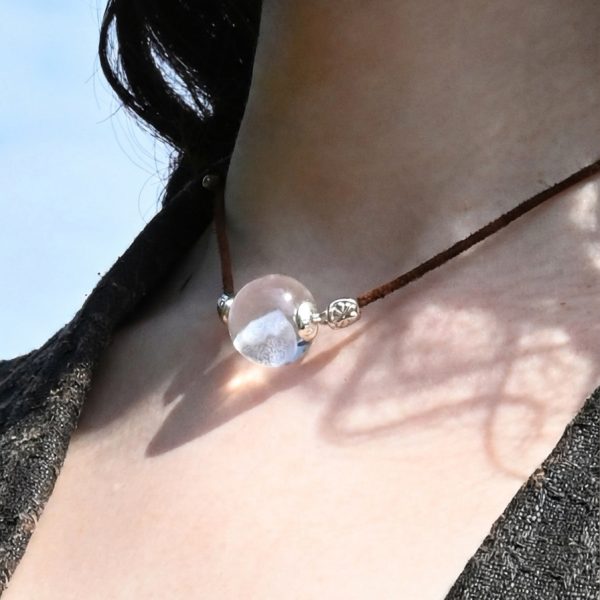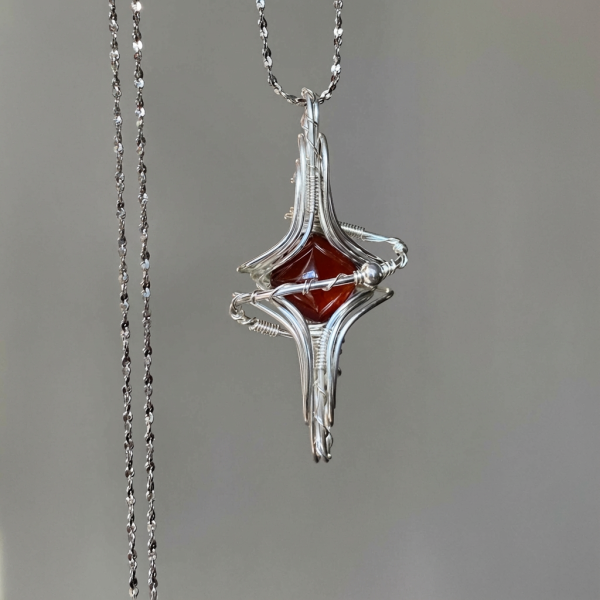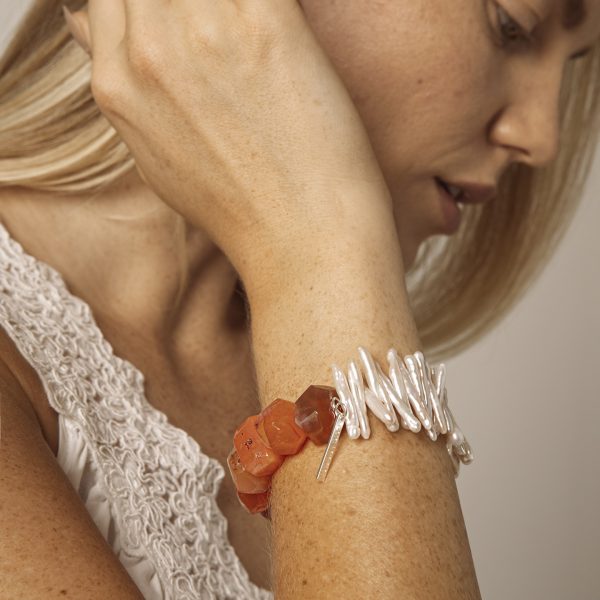
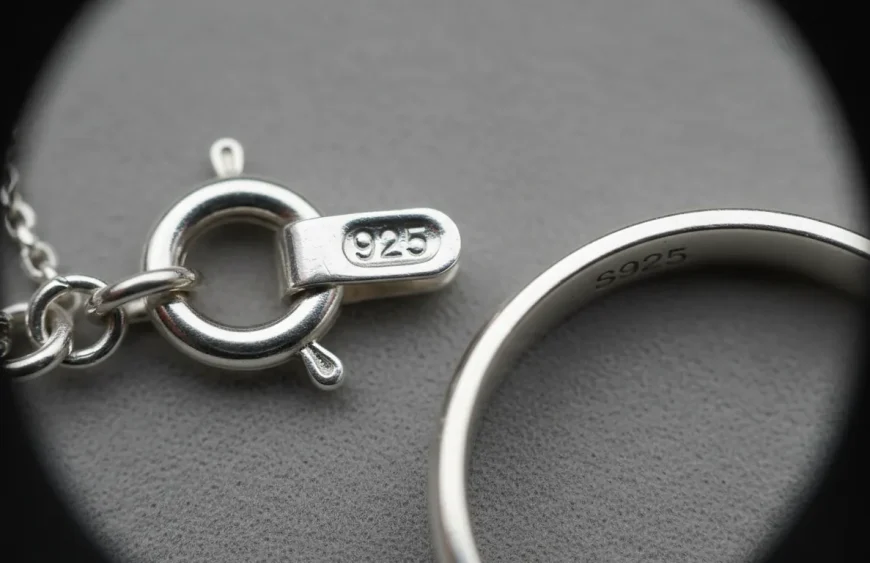
You’re holding a necklace clasp up to the light, squinting at a tiny stamp that reads “925” (or “S925”). Is it a quality mark—or just a random set of numbers meant to sound fancy? If you’ve ever asked that while shopping for crystal jewelry or a meaningful everyday ring, you’re not alone. In this guide, I’ll explain silver sterling 925 in plain language: what the stamp means, why the alloy exists, how to spot fakes, and what “cheap” really means in the silver world.

What “Silver Sterling 925” Means (in One Sentence)
Silver sterling 925 means the metal is 92.5% pure silver and 7.5% other metals (most often copper), stamped as 925 to show its millesimal fineness (parts per 1,000). This is the global, everyday standard for wearable silver jewelry because it balances shine with strength.
That “925” hallmark is widely recognized: it’s basically the jewelry world’s shorthand for “sterling.” Sources that explain this standard include hallmarking and jewelry education references like Jewelry-Auctioned’s hallmark guide and industry overviews such as Working 925 Jewelry’s hallmarking laws explainer.
Why 92.5%? Why Not 100% Silver?
Pure silver (often stamped 999) is gorgeous—but it’s also soft. In real life, that means it can bend, dent, and lose crisp detail faster than you’d expect, especially in thin chains, prongs, and ring bands. Adding about 7.5% alloy makes it sturdier and easier to craft into secure settings for stones.
I learned this the hands-on way: I once wore a delicate “fine silver” style ring daily and watched it slowly oval out after weeks of grabbing bags, twisting doorknobs, and typing. When I switched to silver sterling 925, the same style held its shape far better—with the same bright, white look most people want.
The trade-off: strength vs. tarnish
The extra metal (often copper) helps durability, but it also makes sterling more likely to tarnish over time. Tarnish is a surface reaction—not the metal “going bad.” It usually cleans up with gentle polishing and smart storage.
Common “925” Stamps You’ll See (and What They Usually Mean)
You might spot different versions of the same idea, especially on clasps or inside ring bands:
- 925 = sterling standard (92.5% silver)
- S925 = typically “silver 925” (a common retail stamp)
- .925 = same meaning, different formatting
- STER / STERLING / STG = text versions indicating sterling silver
- 925 + maker’s mark (letters/symbol) = brand/manufacturer identification
A key point: a stamp supports authenticity, but it’s not absolute proof by itself. In many countries, hallmarking rules vary, and some regions are stricter than others. (The UK and parts of Europe can require assay office marks for certain items/weights, while the US is looser.) For a broader overview of global standards, see 925-1000’s silver standards list.
Is 925 Sterling Silver Good Quality?
Yes—silver sterling 925 is good quality for jewelry, and it’s considered the industry norm for pieces meant to be worn often. It’s:
- Durable enough for everyday rings, clasps, and stone settings
- Precious (it contains real silver by weight)
- Repairable (jewelers can usually solder and service it)
- Comfortable for many wearers (though sensitive skin can react to certain alloys)
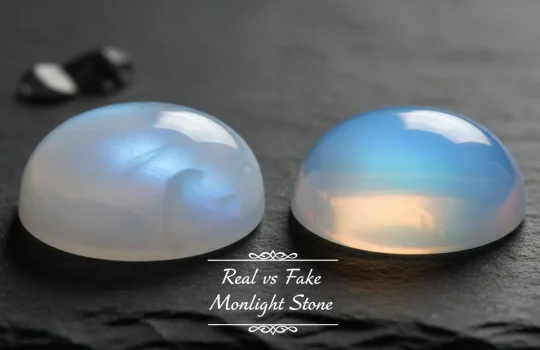
If you’re buying gemstone jewelry—like moonstone, amethyst, or topaz—sterling is popular because it can hold detailed settings without the cost of gold. If you’re exploring stone styling ideas, you may also like StarryBead’s guides on Moonstones: Meaning, Real vs Fake, Value, and How to Wear This Glowing Gemstone, Amethyst: The Complete Guide to Meaning, Value, Benefits, and How to Wear It (Without the Hype), and Topaz Stones: Colors, Meanings, Value & How to Choose the Right One for Jewelry.

925 vs. Silver Plated vs. “Nickel Silver”: Don’t Get Tricked
A lot of confusion around silver sterling 925 comes from look-alikes. Here’s a quick comparison you can save for shopping.
| Material label | What it is | Silver content | What to expect over time | Typical markings |
|---|---|---|---|---|
| Sterling silver (925 / S925) | Silver alloy made for jewelry | 92.5% | Can tarnish; polishes back; retains intrinsic silver value | 925, S925, .925, STER |
| Fine silver (999) | Nearly pure silver | 99.9% | Very soft; dents/bends easier; less common for daily-wear settings | 999, Fine |
| Silver plated | Base metal with thin silver coating | Thin outer layer only | Can wear through; may reveal different color metal; low resale value | EP, EPNS, plated |
| “Nickel silver” / “German silver” | Misleading name—usually copper/nickel/zinc | 0% | Doesn’t behave like silver; may cause skin reactions | Varies; often no 925 |
For a clear explanation of sterling vs plated, see Guardian Gold’s breakdown.
Is S925 Real or Fake?
S925 can be real, and it often is—especially in modern retail jewelry. But counterfeiters also stamp “S925” on items that are plated or made from cheaper alloys.
When I’m checking a new piece (especially online), I use a simple “stack of signals” approach instead of trusting one test:
- Hallmark check: Is the stamp clean and placed where it makes sense (inside band, clasp, bail)?
- Magnet test: Sterling silver is not magnetic. If a strong magnet sticks hard, that’s a red flag.
- Look for plating wear: Flaking, bubbling, or a brass/copper tone peeking through suggests plating.
- Tarnish behavior: Real sterling often darkens slightly over time, especially in humid air—then polishes bright.
- Seller credibility: Return policy, material disclosure, and brand reputation matter.
If you want a deeper “at home” testing flow, guides like Silverlab’s authenticity checklist align with what many jewelers recommend (hallmark + magnet + tarnish + professional confirmation for high-value pieces).
How To if Silver is Fake or Real? | Pawn Stars
Why Is 925 Silver “So Cheap” Sometimes?
This is the question that makes shoppers nervous—understandably. Silver sterling 925 can be affordable for reasons that have nothing to do with it being fake:
- Silver is cheaper than gold per gram, so even real silver jewelry can be accessible.
- You’re paying for design + labor, not just metal. Many pieces are lightweight, so metal cost is small.
- Mass manufacturing lowers costs. Cast components and machine chains reduce price.
- Minimal gemstone cost. Some pieces use small accents or lab stones; others are crystal-focused with silver as the setting.
- Retail cycles. Discounts, closeouts, and direct-to-consumer pricing can look “too good,” even when legit.
That said, truly “too cheap to be true” pricing often shows up with plated items stamped as 925 or listings that won’t clearly state “sterling silver” in the description.
How Much Is 1 Gram of 925 Silver Worth?
Think of it in two layers: melt value and finished jewelry price.
- Melt value (metal-only): 1 gram of sterling contains 0.925 grams of pure silver, so its raw value tracks the live silver spot price (minus typical buyer fees and refining loss).
- Jewelry value: The selling price includes crafting, design, brand, stones, finishing, shipping, and margin—so it’s usually far above melt.
If you’re evaluating a piece’s value, ask: Am I buying it like a tiny silver bar, or like wearable art with craftsmanship? Most of the time, it’s the second.
Care Tips: Keep Sterling Silver Bright (Without Babying It)
Sterling doesn’t need complicated routines, but it does like consistency:
- Store dry and sealed: anti-tarnish pouch or zip bag slows darkening.
- Avoid chemicals: perfume, chlorine, harsh cleaners can dull finishes.
- Polish gently: a soft silver cloth beats aggressive scrubbing.
- Wash after sweaty days: mild soap + warm water, then dry fully.
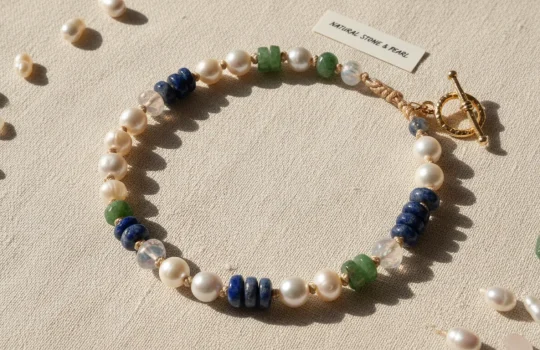
If your StarryBead-style jewelry combines sterling with crystals or pearls, keep polishing cloths away from delicate surfaces and wipe stones with a clean, dry cloth instead.

Buying Checklist: A Simple “Yes/No” Screen for Sterling 925
Use this quick filter before you hit “Add to Cart”:
- Does the listing clearly say “sterling silver 925” (not just “silver tone”)?
- Is there a hallmark photo (925/S925) on clasp or inside ring?
- Is it described as nickel-free if you have sensitive skin?
- Does the seller offer returns and material transparency (certificates, receipts, or authenticity statements)?
- Do reviews mention tarnish/polishing (a normal sign) rather than flaking (a bad sign)?
For gemstone buyers, I also check whether the brand explains stone authenticity. That’s one reason crystal-forward brands like StarryBead emphasize natural materials and documentation—your metal can be sterling, but the “meaning” of the piece often lives in the stone choice and craftsmanship.
Conclusion: The “925” Stamp Is a Tiny Number With Big Meaning
When you see silver sterling 925, you’re looking at a practical promise: real silver, made wearable. The stamp doesn’t mean “perfect” or “tarnish-proof,” but it does mean you’re in the right lane for everyday jewelry that can be cared for, repaired, and loved for years. And if you’re choosing a piece for wellness style—crystals, pearls, or gemstones—the sterling setting is often what lets the design stay secure while you live your life.
FAQ: People Also Ask About Silver Sterling 925
1) Is 925 sterling silver good quality?
Yes. Silver sterling 925 is the standard for durable silver jewelry because it balances purity (92.5%) with strength.
2) Is S925 real sterling silver?
Often yes—S925 typically indicates sterling silver. Still, check the seller, hallmark placement, and basic tests (magnet, wear, tarnish) for confidence.
3) Why does 925 silver tarnish?
Because the alloy metals (commonly copper) react with air and sulfur compounds. Tarnish is a surface change and usually polishes off.
4) Why is 925 silver so cheap compared to gold?
Silver costs less per gram than gold, and many sterling pieces use small amounts of metal. Price also depends on manufacturing scale and design complexity.
5) How much is 1 gram of 925 silver worth?
Metal-only value equals 0.925 grams of pure silver times the live silver price, but jewelry pricing includes labor, design, stones, and retail costs.
6) How can I tell sterling silver 925 from silver plated?
Look for 925/S925 hallmarks, check for flaking or base-metal color showing through, and note that sterling tarnishes differently than plating.
7) Does sterling silver 925 need special care?
Not special—just smart: store dry, avoid harsh chemicals, and polish with a soft cloth to restore shine.